Barren lake will turn into oasis as ‘rare’ weather event hits Australian outback
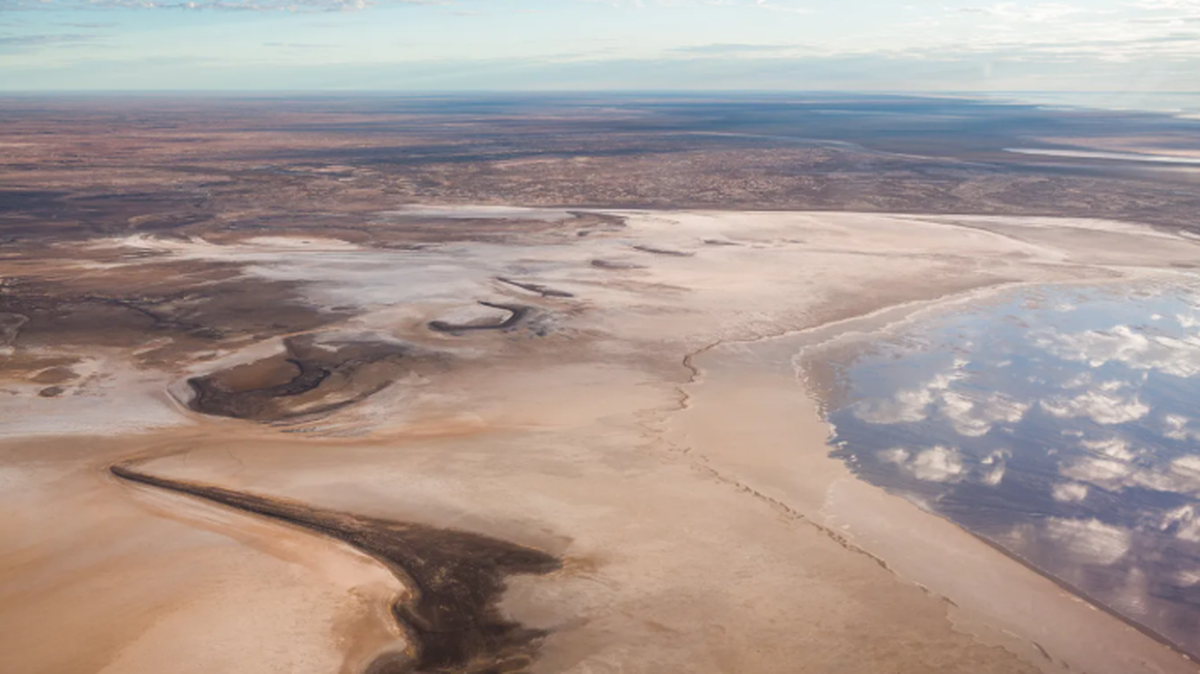
In northeastern Australia, more than a year’s worth of rain fell in just one week in March, kicking off rare flooding and a massive transformation throughout the country’s arid outback.
“Swollen rivers submerged towns and pasturelands while draining toward Kati Thanda-Lake Eyre,” according to the NASA Earth Observatory.
As the floodwaters recede, large swathes of green — reawakened desert life — continue to emerge across the outback, NASA photos show.
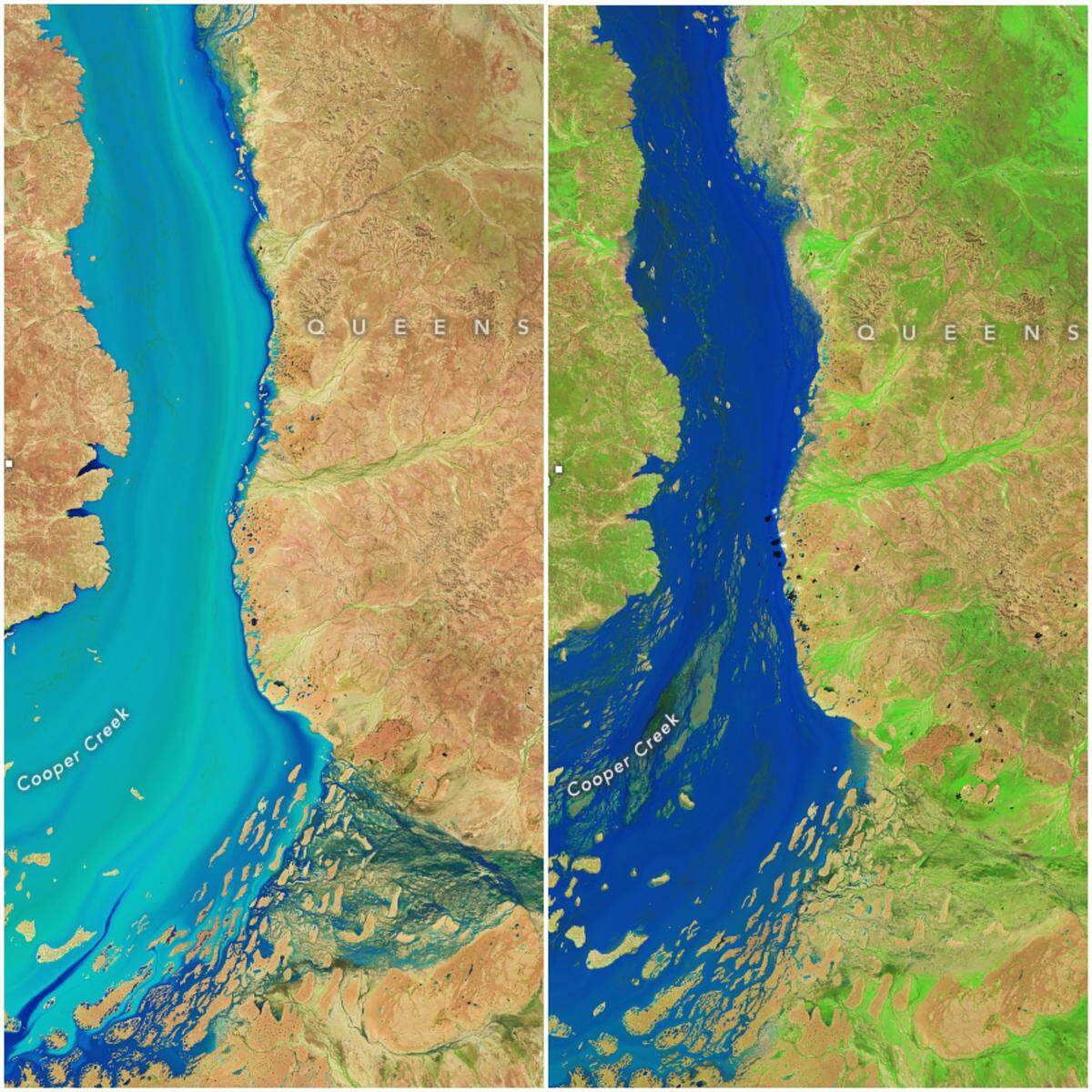
One of the most impressive spectacles in this rare weather event is the oasis created at Kati Thanda-Lake Eyre, according to officials.
“Kati Thanda-Lake Eyre is starting to fill up for just the fourth time in the past 160 years,” creating one the country’s rarest and most “spectacular” ecological events, the Government of South Australia’s Department for Environment and Water said in a May 14 news release.
At all other times, the lake is a “salt-encrusted, mostly dry and barren playa,” according to NASA.
Officials said the waters attract a “huge variety” of species, many of which are rare.
“Brine shrimp hatch from eggs in the dry soil” and fish in the floodwaters “will spawn and eat the shrimp,” government officials said, highlighting how the food web is affected by this incredible influx of water.
“Millions of waterbirds and breeding birds from as far as China and Japan” will also migrate to the lake, according to officials.
Hundreds of different bird species will make their way to the lake, per the release.
At about 50 feet below sea level, Kati Thanda-Lake Eyre is the lowest point in Australia and covers about 3,668 square miles, officials said.
Meteorologists believe this may be “the most substantial filling of Lake Eyre in at least 15 years,” according to NASA officials.
Kati Thanda-Lake Eyre is about 570 miles southwest from Queensland.
This story was originally published May 14, 2025 at 3:43 PM with the headline "Barren lake will turn into oasis as ‘rare’ weather event hits Australian outback."