‘Large’-eyed creature found lurking in ancient Roman mine. It’s a new species
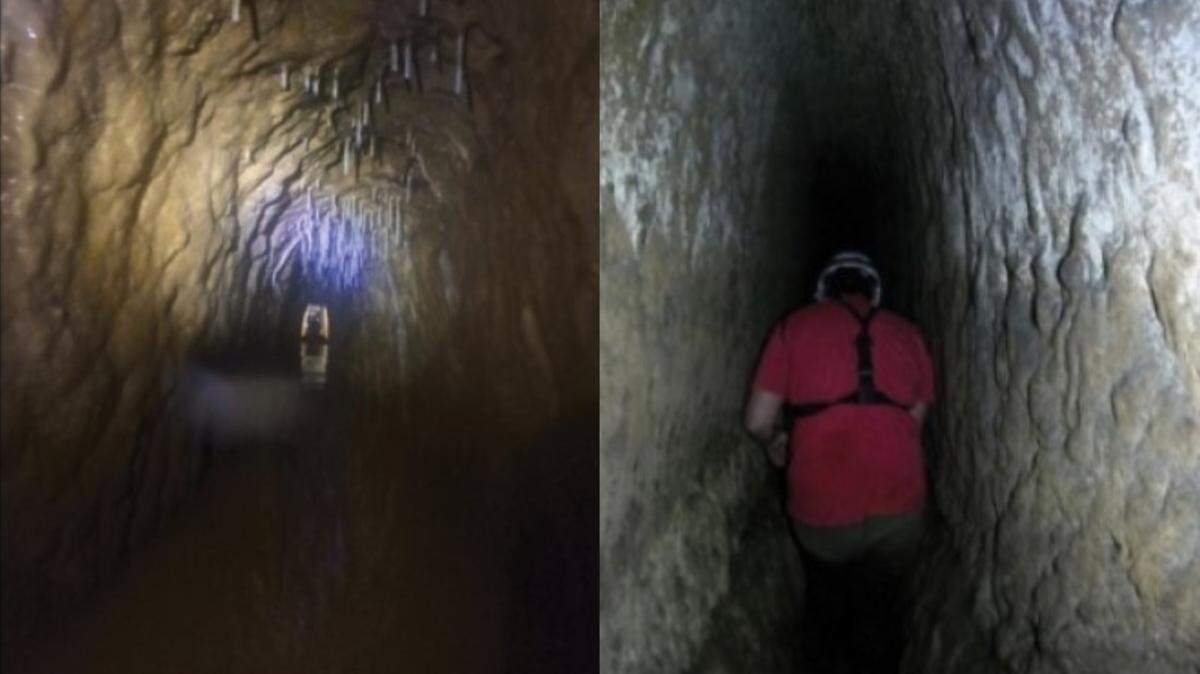
Underneath a town in Spain, a team of researchers shined their flashlights around an ancient Roman mine and waded through the knee-deep water. They picked up some rotting wood crawling with tiny animals.
They didn’t realize it right away, but they’d just discovered a new species.
A group of scientists and members of the Andalusian Association of Underground Exploration ventured into “the so-called ‘San Antón water mine’” underneath Carmona in 2021 and 2022 to study its ecosystem, according to a study published May 15 in the peer-reviewed journal Subterranean Biology.
The water mine had several interconnected galleries, or aqueducts, for collecting groundwater and was “created during the Roman period, approximately (2,000) years ago,” researchers said. “The system still maintains a permanent stream and was used until recent times to supply water to residents, orchards and hydraulic infrastructure.”
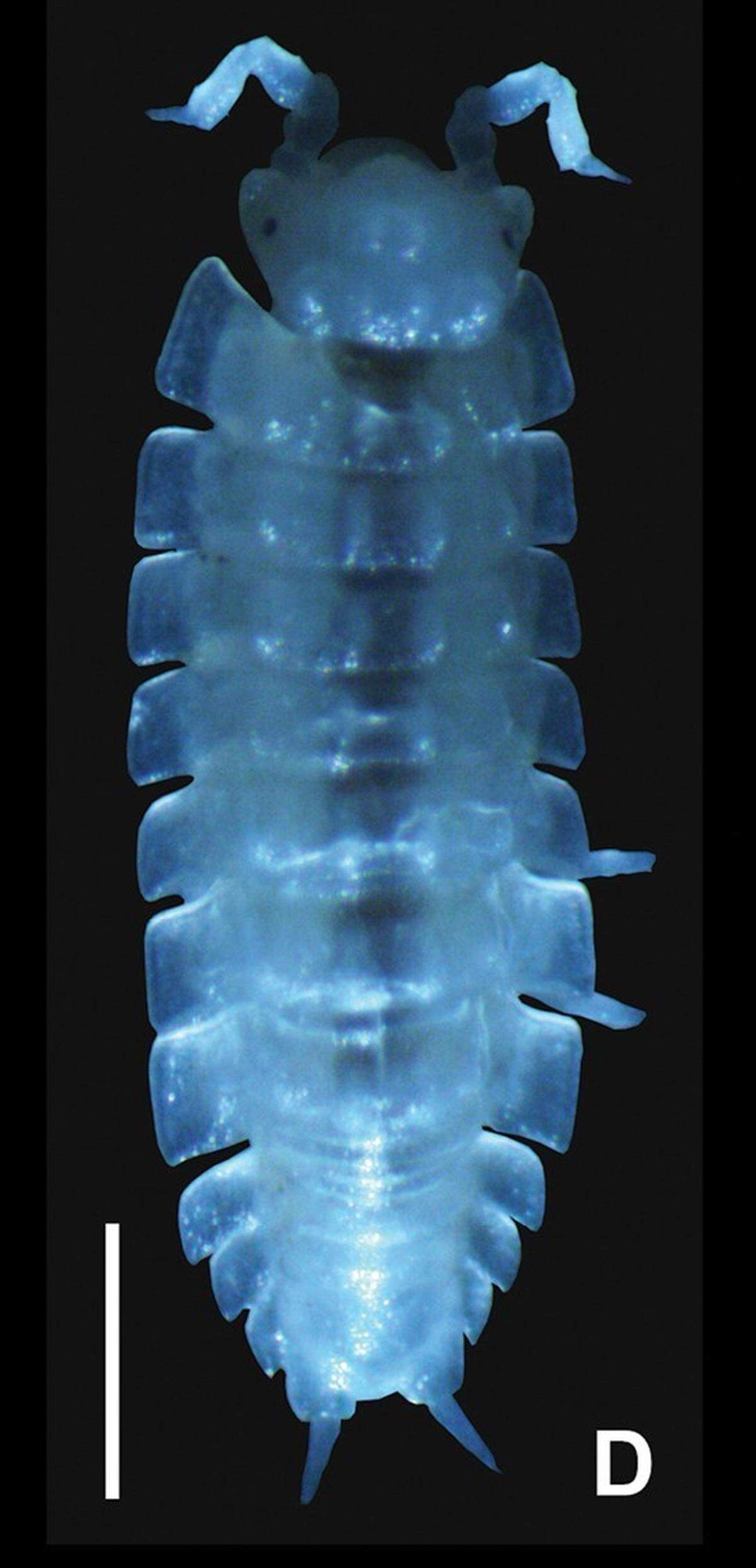
While inside the ancient Roman mine, the team noticed small crustaceans on decomposing wood chunks, the study said. Intrigued, they captured a few of these animals and, after taking a closer look, realized they’d discovered a new species: Baeticoniscus carmonaensis, or the Carmona isopod.
Isopods are a diverse group of invertebrates that includes pill bugs and woodlice, among others, and are part of the larger category of crustaceans, a category best known for including crabs, lobsters and shrimp.
Carmona isopods are about 0.1 inches in length, have segmented bodies with antennae and “large” black eyes, the study said. Photos show the “colorless” new species.
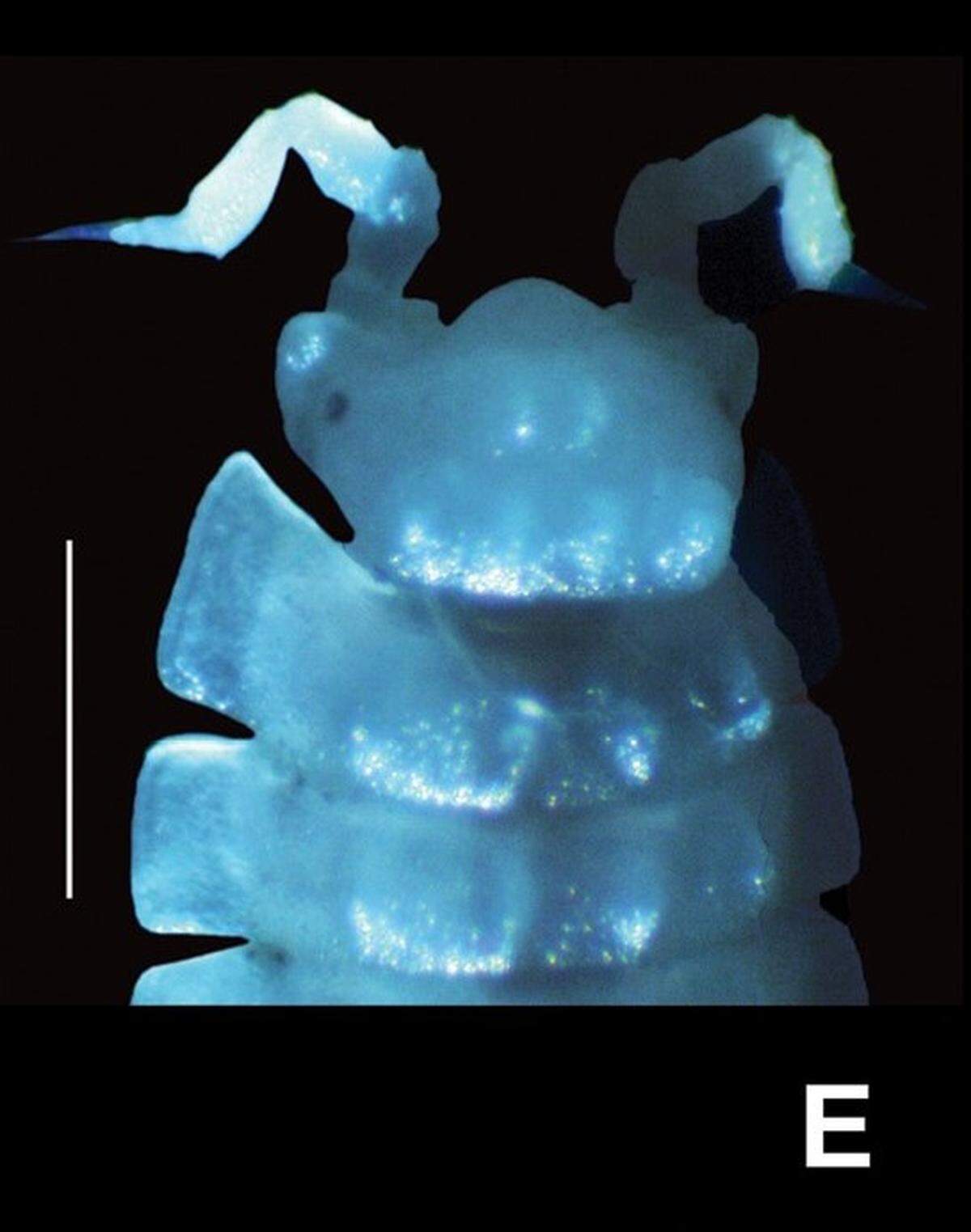
Carmona isopods were “found in elevated areas within the gallery system” typically “on or within pieces of rotten wood, likely fallen from wells connected to the underground galleries,” researchers said. The isopods were seen “moving and hiding within the crevices of this decomposing material.”
“This new species of Baeticoniscus represents one of the few cases worldwide in which the description of a new taxon has been described in a subterranean archaeological site,” the study said. “The discovery of a new species in an urban underground environment … can help draw attention to these often overlooked ecosystems, particularly in cities with archaeological sites, canals, and tunnels.”
Researchers said they named the new species after the town where it was discovered and, so far, the only place where it has been found. Carmona is in southwestern Spain, near Seville, and a roughly 300-mile drive southwest from Madrid.
The new species was identified by its eyes, texture, body shape and other subtle physical features, the study said. Researchers did not include a DNA analysis of the new species.
The research team included Julio Cifuentes, Enrique Peña Pérez and Álvaro Luna.
This story was originally published May 19, 2025 at 12:52 PM with the headline "‘Large’-eyed creature found lurking in ancient Roman mine. It’s a new species."