‘Striking’ new species with ‘sapphire blue’ wings discovered in Colombian Andes
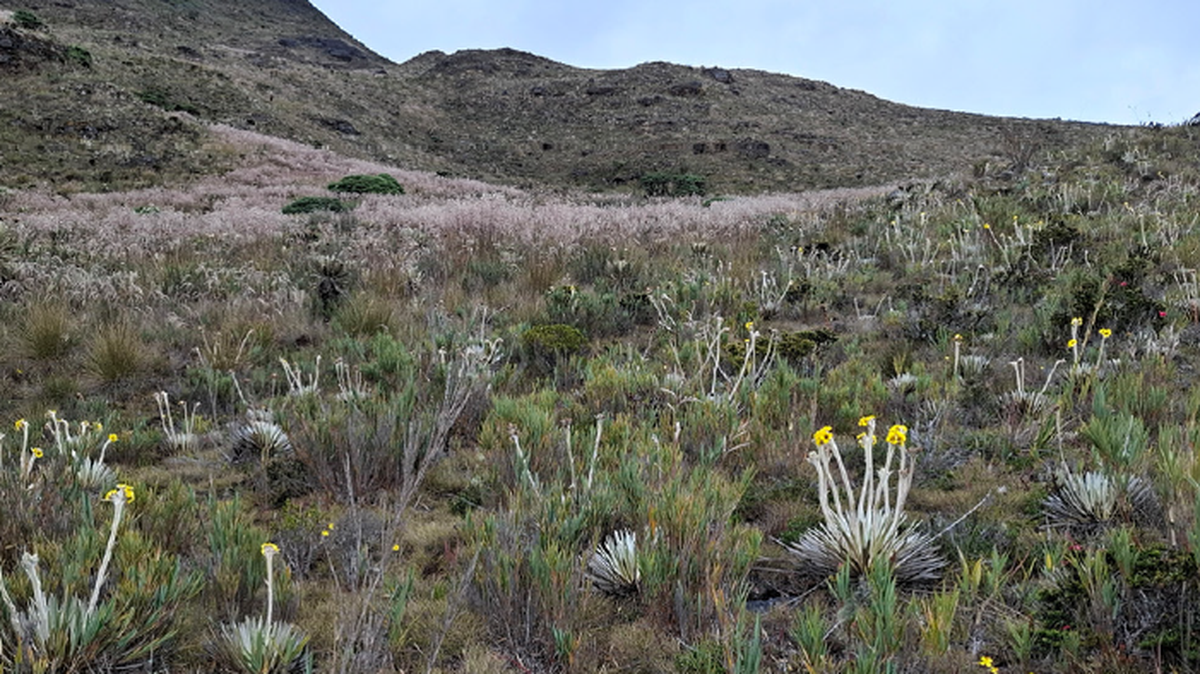
In the high elevations of the Colombian Andes, scientists on a research expedition discovered “an unusually blue-coloured and undeniably striking species” flying low, just above some bamboo thickets.
The new species, Lymanopoda chysquyco, is one of just five butterflies in the Lymanopoda genus, comprised of 70 species, to have blue wings, according to a study published July 7 in the journal Zootaxa.
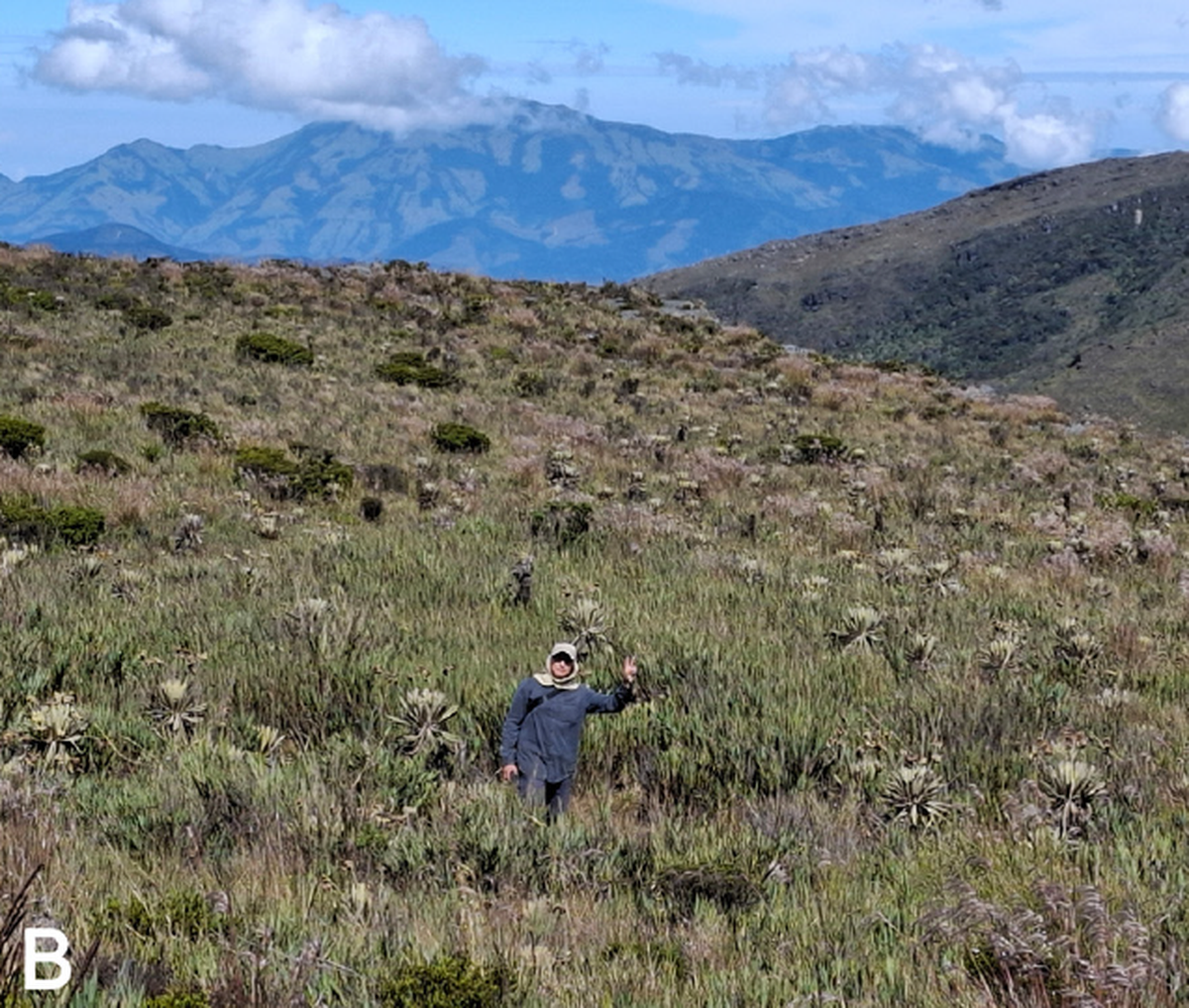
The research team captured adults of the new species in September in the Páramo de Guerrero’s high-altitude grasslands at an elevation of about 11,500 feet above sea level, the study said.
One of the most remarkable findings associated with the discovery is that the new species bears a “strong similarity” to Lymanopoda hazelana — a species found 800 miles away in southern Ecuador and northern Peru.
According to the study, the “intermediate Páramo regions of the Eastern and Central Colombian Cordillera and central Ecuador have been extensively surveyed,” but no populations of the new species or closely related species have ever been reported.
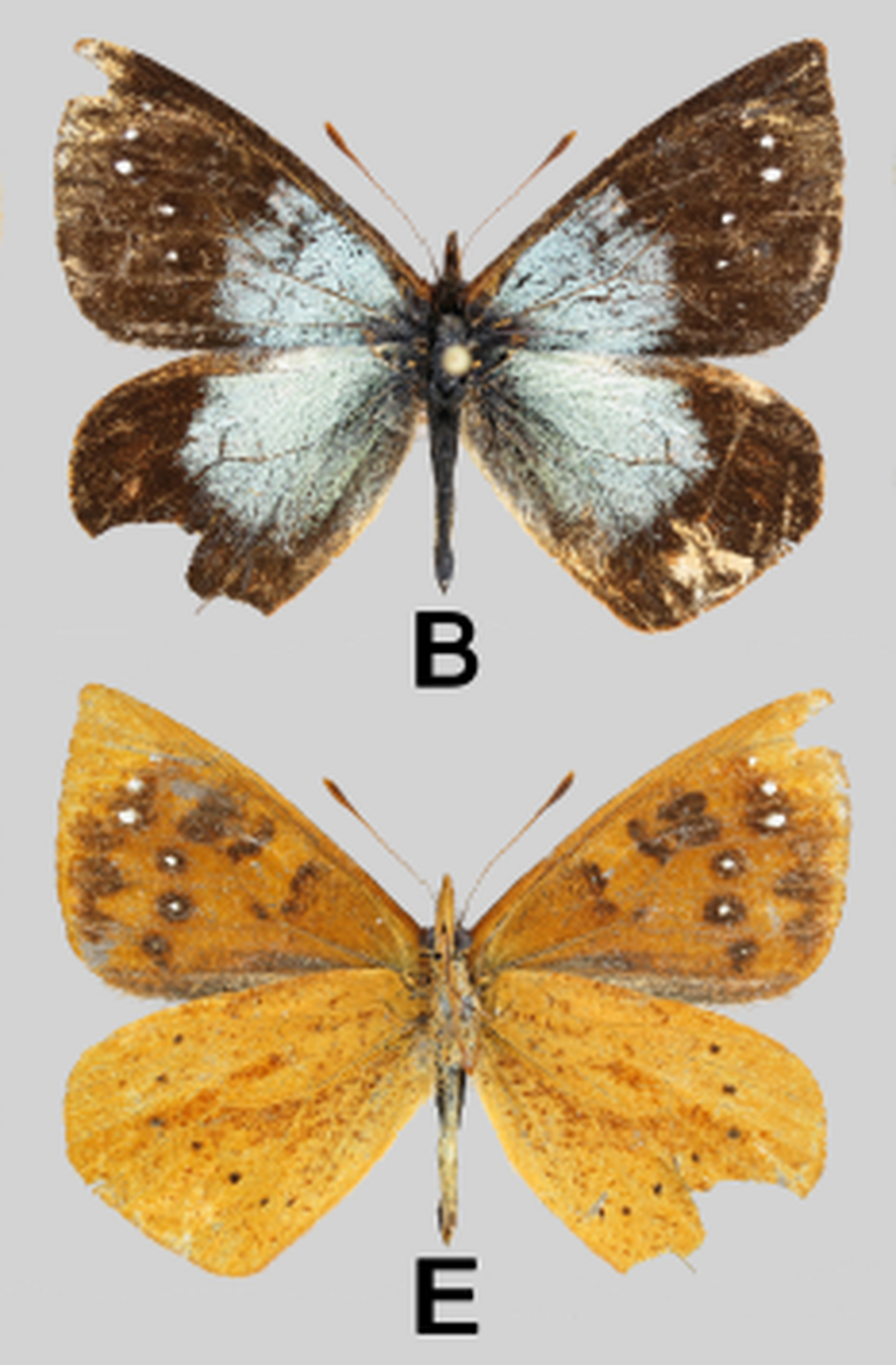
Lymanopoda chysquyco has a wingspan of about 2 inches. Its wings are sapphire blue on top with a thick black border and small white spots. The underside of its wings are honey yellow and with rusty red with black patches, according to the study.
Its blue wings may help it attract mates, be recognized by members of its own species, and reflect sunlight in the vast open Páramo habitat, according to the study. Researchers also named the species for this blue coloring, with “chysquyco” meaning “blue” in the local indigenous Muisca language.
Researchers said it is unclear how Lymanopoda chysquyco ended up in such an extremely northern habitat, but two hypotheses have been presented.
The first and favored theory is a process called vicariance, which suggests ancestors of Lymanopoda chysquyco were once widely and continuously distributed, perhaps from northern Colombia to southern Ecuador. But habitat and climate changes, as well as competition with other species, caused the extinction of populations in between, leaving Lymanopoda chysquyco as an “isolated, relic population in its northern extremity.”
The second hypothesis is long-distance dispersal, which would suggest the species moved from the south to the north, similar to what monarch butterflies do in North America, according to researchers.
This theory is not as well-founded because this group of butterfly species are considered to be “some of the weakest dispersers among butterflies,” according to the study.
The research team included Tomasz W. Pyrcz, Pierre Boyer, Rafał Garlacz, Christer Fåhraeus, Miguel Gonzalo Andrade-C., Zsolt Bálint and Oscar Mahecha-J.
This story was originally published July 8, 2025 at 4:34 PM with the headline "‘Striking’ new species with ‘sapphire blue’ wings discovered in Colombian Andes."