‘Milky-white’ egg of new scaly species discovered in a crevice of house in China
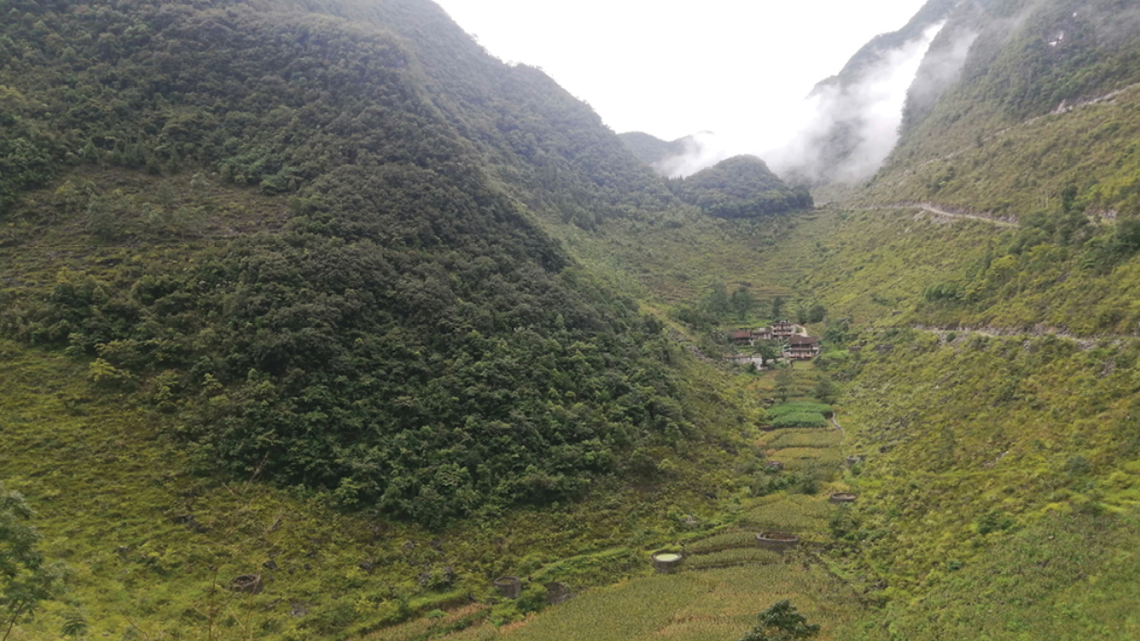
While surveying the forests around southern China’s karst region — a landscape carved out by canyons and depression, leaving clusters of limestone peaks — researchers came upon several creatures sitting on the walls of nearby buildings in the area.
During the night, they collected six specimens, all now confirmed to belong to a new species of gecko, according to a study published July 16 in the peer-reviewed journal ZooKeys.
The discovery brings the number of recognized Gekko species in the South China Karst — a UNESCO World Heritage Site— to five, highlighting the role that this fragmented ecosystem plays in supporting biodiversity and the development of new species, according to the study.
At about 3 inches long, Gekko fengshanensis, or Fengshan gecko, is distinguished from other species by its “moderate” size and scale patterns, according to the study.
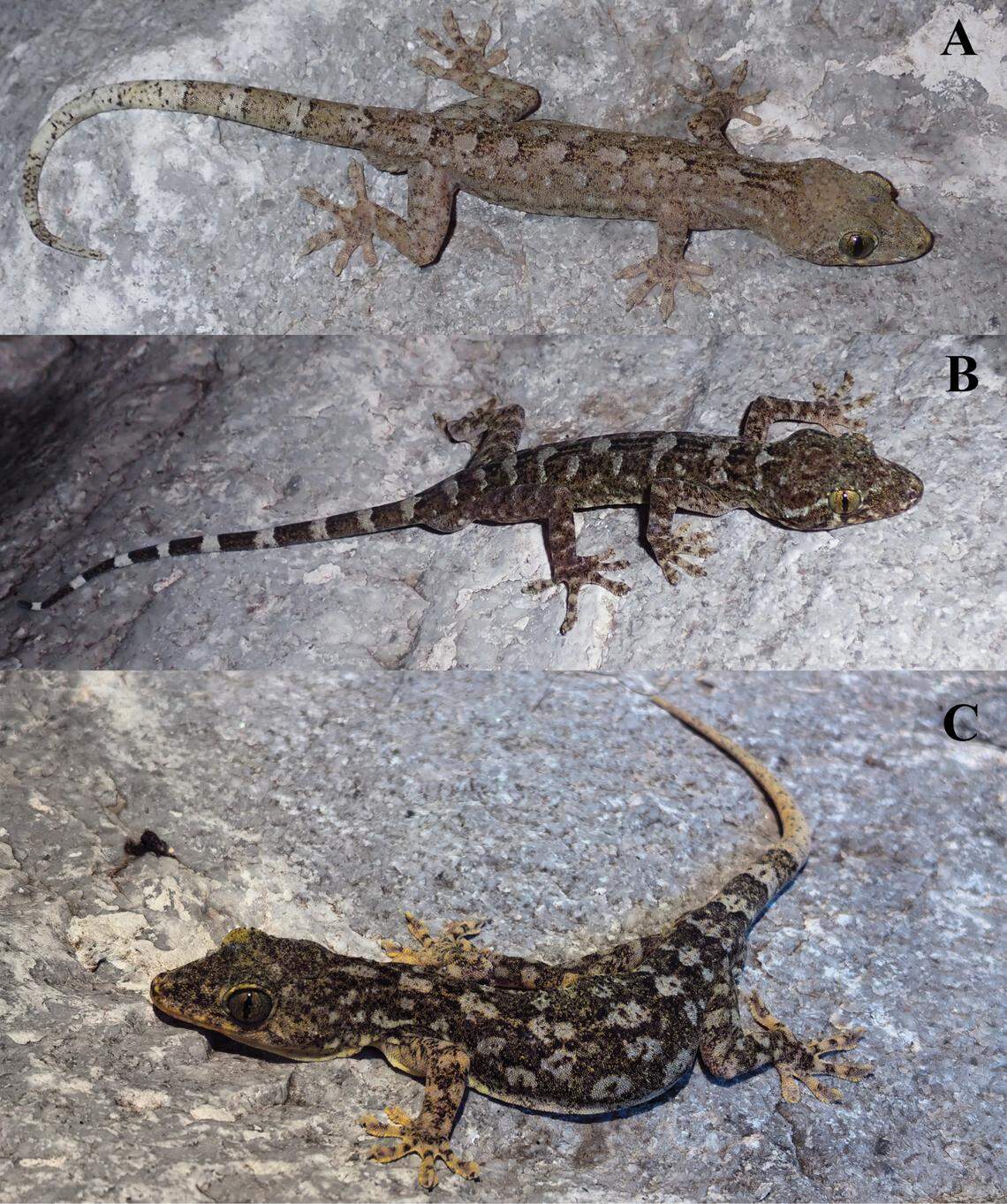
It is described as having a “light reddish-brown body” that is long and slender, with scattered white spots on its snout, and yellow-green irises, researchers said. In specimens that have not regenerated their tails, their original is longer than their body, according to the study.
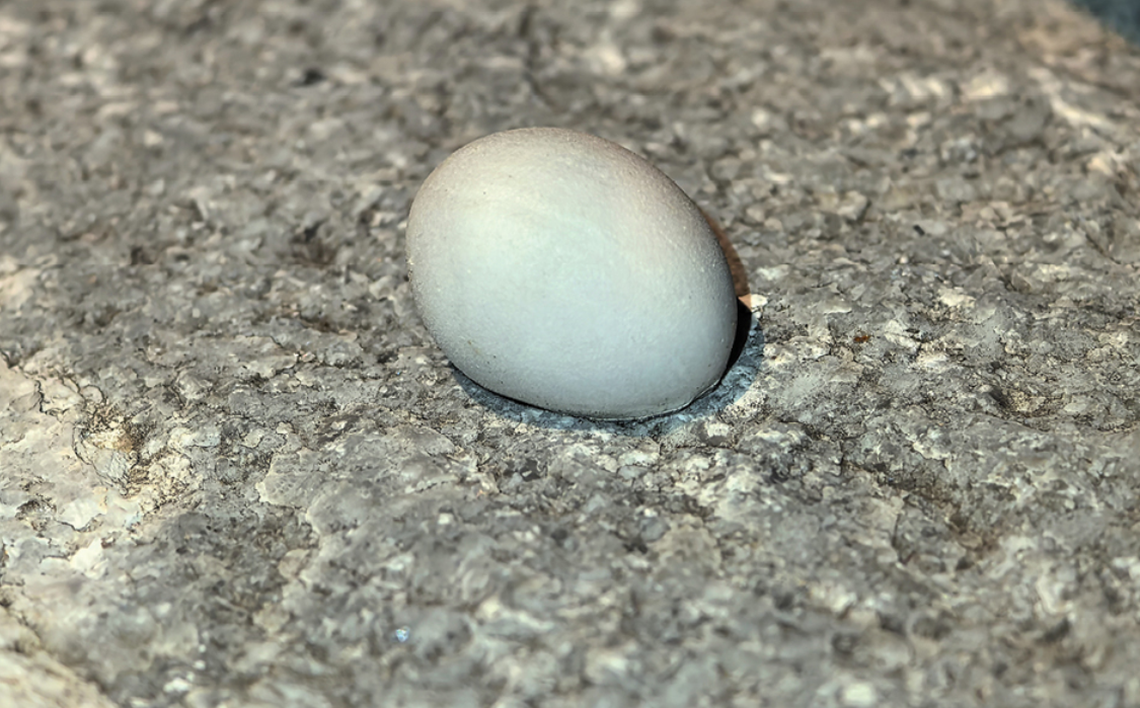
The research team also discovered a single “milky-white, elliptical egg” just over half an inch long in a crevice of a nearby house, the study said. The finding suggests the new species breeds in July and August.
Karst landscapes are known to limit gene flow among populations of species, the study said. Over time, these populations, separated by geographic barriers like mountains and rivers, evolve into different species in a process called allopatric speciation.
To date, the Fengshan gecko is known only from Fengshan County in China’s Guangxi Zhuang Autonomous Region.
The research team included Zhong Huang, Hao-Tian Wang, Shuo Qi, Han-Ming Song, Yong Huang, Ying-Yong Wang and Yun-Ming Mo.
This story was originally published July 16, 2025 at 3:07 PM with the headline "‘Milky-white’ egg of new scaly species discovered in a crevice of house in China."