
Young seal was found with ‘severe’ shark bite wound. Then rescuers rushed to help
After surviving a shark attack and drifting into unfamiliar waters, a young seal’s life hung on by a thread — until rescuers rushed to help.
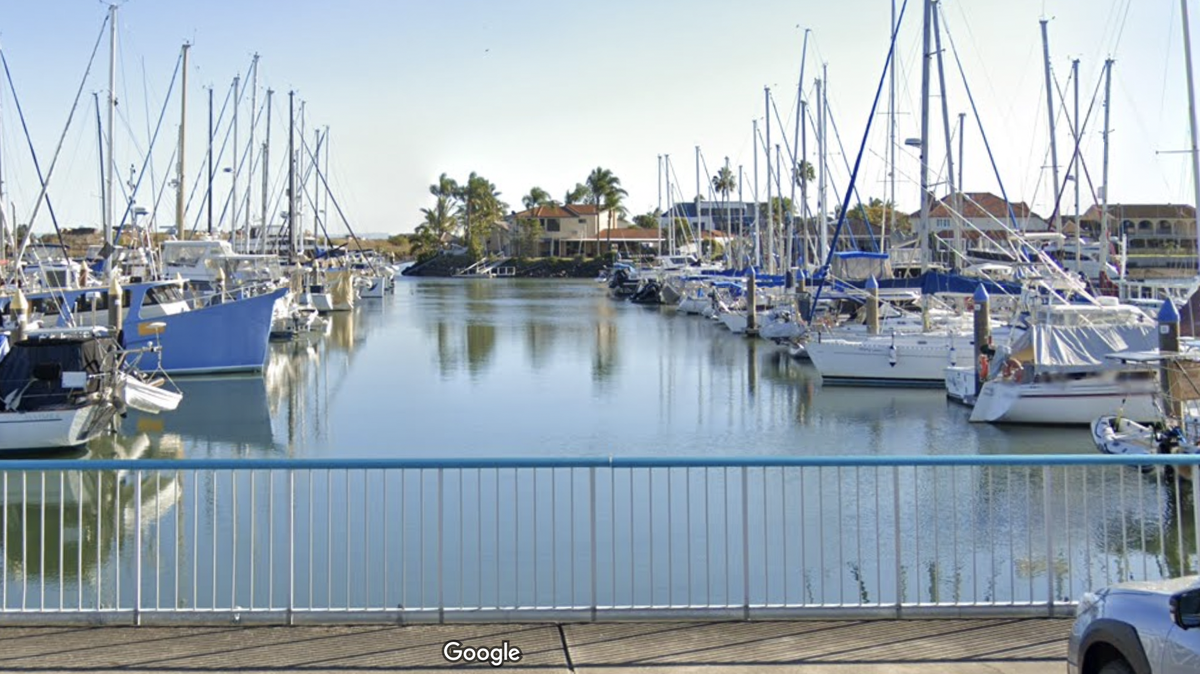
The animal, a New Zealand fur seal, was discovered in the canals of Newport, Australia, located about 20 miles north of Brisbane, according to a July 31 news release from the Sea World Foundation.
She had sustained “a severe shark bite wound” on her abdomen and was outside the normal range of her species.
Sea World staffers collected the wounded creature and took her to a rehabilitation facility.
She “was really touch and go there at the beginning,” Claire Madden, the organization’s head veterinarian, said in a video.
But, after six weeks, her condition improved remarkably.
“She ticked all the boxes for our release, and that included adequate body condition, appropriate movement and her wound was completely resolved,” Madden said.
On July 29, the healed seal was transported to the Solitary Islands, part of a marine park about 240 miles south of Brisbane.
Video footage shows her exiting a submerged crate and swimming away into the deep ocean.
“It made me very, very happy to see her go back out there and carry on her little adventure,” Jesse Bray, a marine mammal specialist at the Sea World Foundation, said in the video. “It’s a really special moment.”
Before her release, she was equipped with a satellite tag, allowing researchers to monitor her journey. So far, she’s already traveled about 50 miles south to Scotts Head.
New Zealand fur seals are distinguished by their pointy noses, long whiskers and relatively small size, according to the New Zealand Department of Conservation (DOC).
The marine mammals — which can grow up to 8 feet and weigh up to 330 pounds — are typically found along the rocky coast of New Zealand. They are also seen in South Australia and Western Australia.
Their population in New Zealand once numbered in the millions, according to the DOC, but they nearly went extinct as a result of Māori and European hunters. Nowadays, their numbers are rebounding, following protections passed in the 1970s.
They still face threats from human impacts, in addition to great white and sevengill sharks, their primary natural predators.
This story was originally published August 4, 2025 at 5:49 PM with the headline "Young seal was found with ‘severe’ shark bite wound. Then rescuers rushed to help."