Remains of rare dinosaur — one of the fastest to have lived — found in Germany
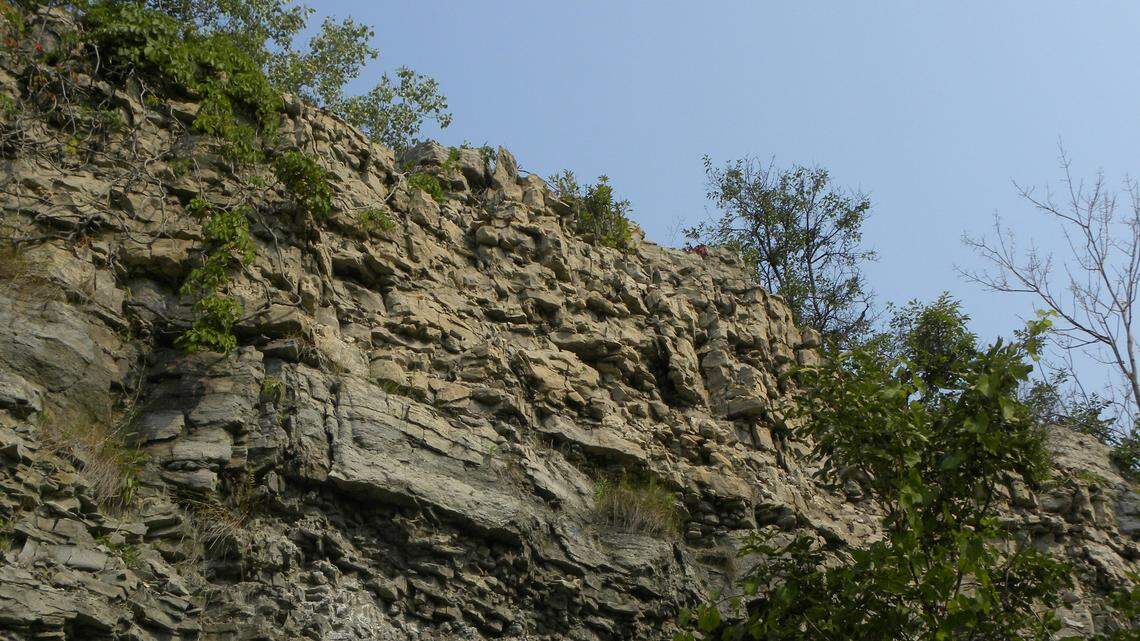
For the first time, the remains of an unusual “ostrich dinosaur” species have been unearthed in Germany.
It is only the second record of this type of dinosaur in all of Europe, according to experts.
The discovery was made during an annual group excavation in Balve hosted by the Regional Association of Westphalia-Lippe’s Museum of Natural History, according to a Sept. 18 news release from the group.
During the yearly dig, students and volunteers work alongside experts in search of fossils from the Early Cretaceous period, or about 125 million years ago, officials said.
This year’s dig revealed the country’s first remains — a claw and metatarsal, or mid-foot, bone — of an ornithomimosaur, also known as an “ostrich dinosaur,” a find of great importance, according to experts.
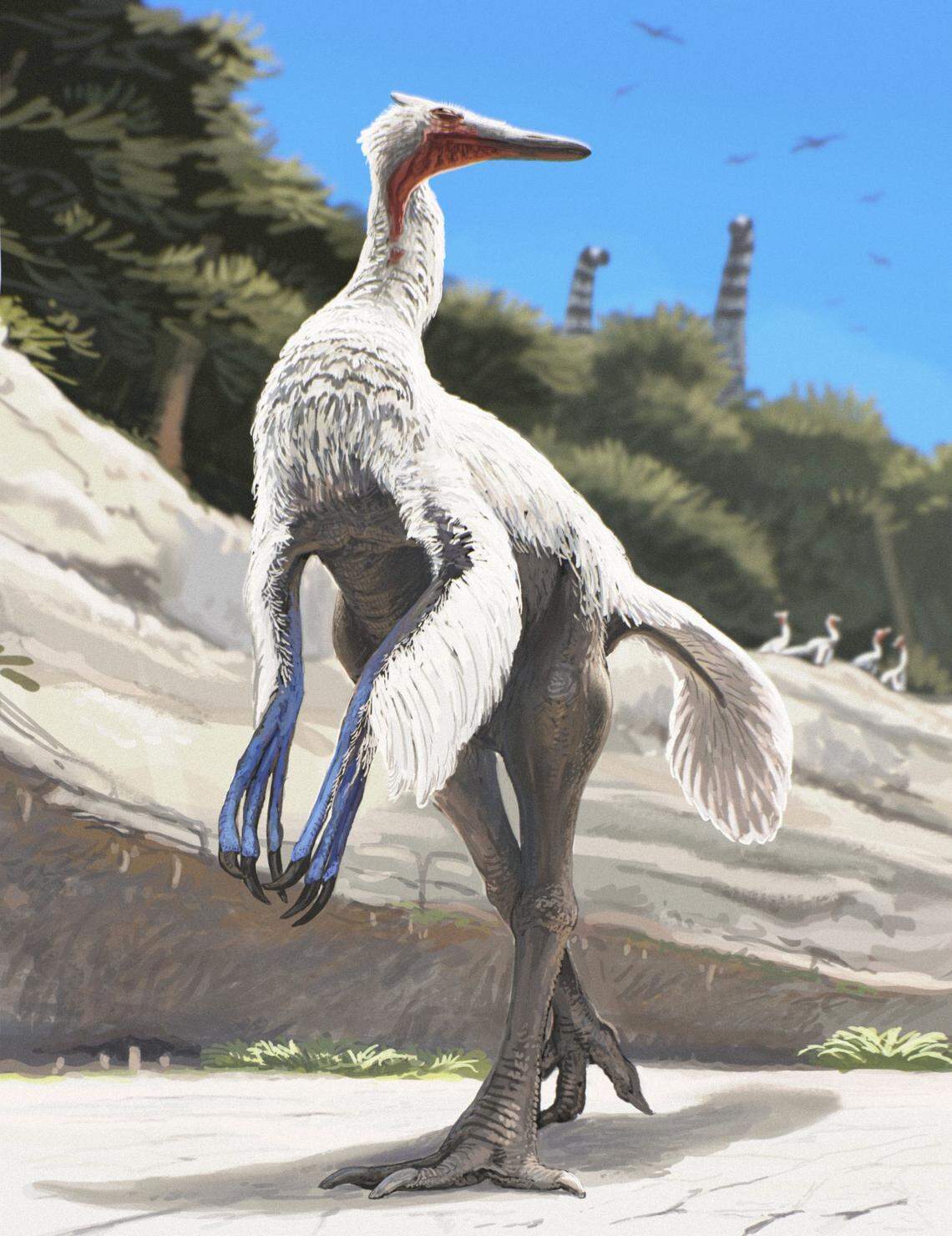
Ostrich dinosaurs walked on two long, slender hind legs and had a long neck with a small head, similar to modern ostriches, experts said.
These animals were among the fastest runners in the dinosaur world, Darius Nau of the University of Bonn said in the release.
Ornithomimosaurs were likely not strictly carnivores, but rather omnivores or herbivores, Nau said.
René Dederichs of the Paleontological Institute in Zurich said most ornithomimosaurus species are known to be from Asia and North America, dating back to the Late Cretaceous period.
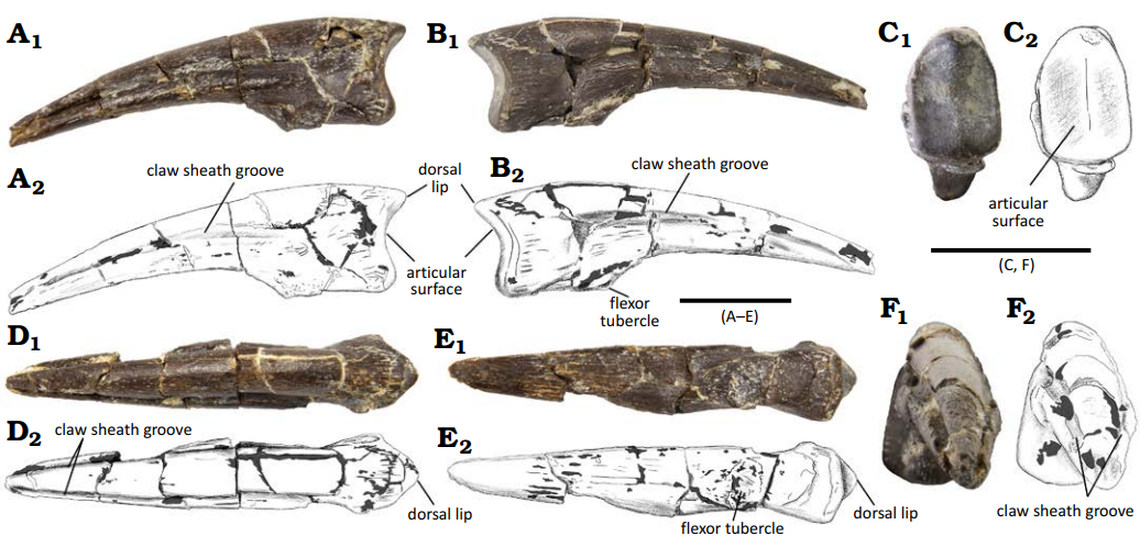
The remains from Balve, along with another specimen previously discovered in Spain, are the only two records of ornithomimosaurs from Europe, according to a study published Sept. 10 in the journal Acta Palaeontologica Polonica.
The research team included Denis Theda, Darius Nau, René Dederichs and Achim H. Schwermann.
The fossils were discovered at Busche quarry near Balve, according to the study. Balve is about a 60-mile drive northeast from Düsseldorf.
Google Translate was used to translate the press release from the Regional Association of Westphalia-Lippe.
This story was originally published September 22, 2025 at 12:58 PM with the headline "Remains of rare dinosaur — one of the fastest to have lived — found in Germany."