‘Glass’ creatures — prized at high-end restaurants — seized in trafficking bust
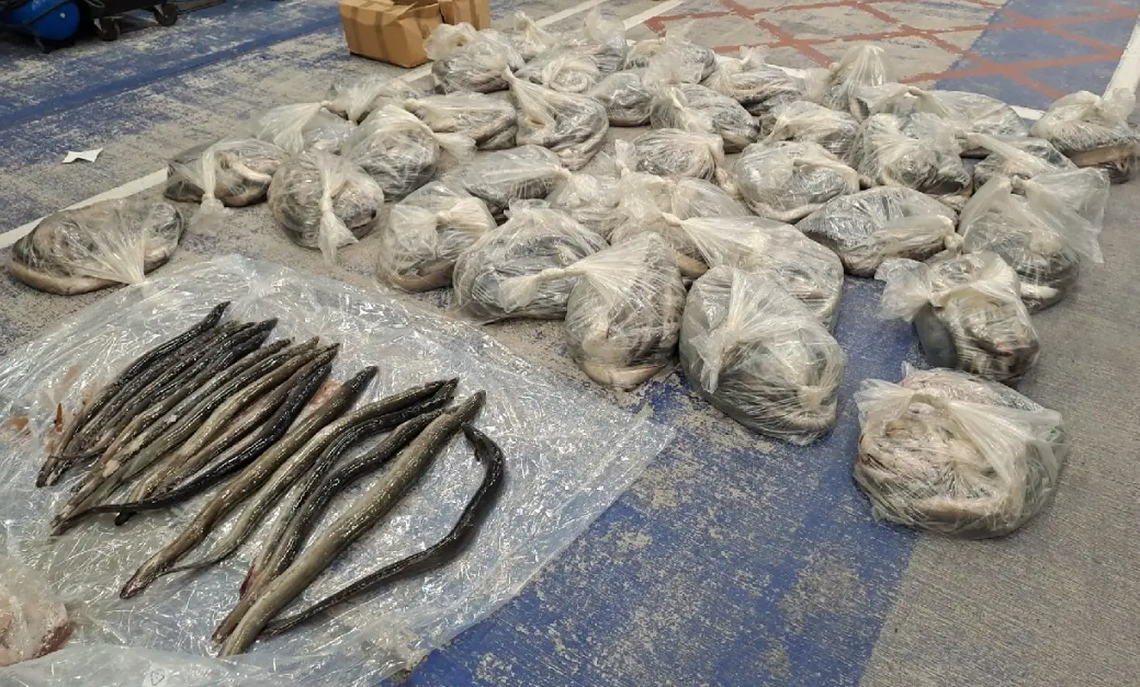
Authorities from 21 countries including the United States, in partnership with Europol, have seized nearly 50,000 pounds of glass eels as part of a major blow to a massive wildlife trafficking network, officials said in a Sept. 25 news release.
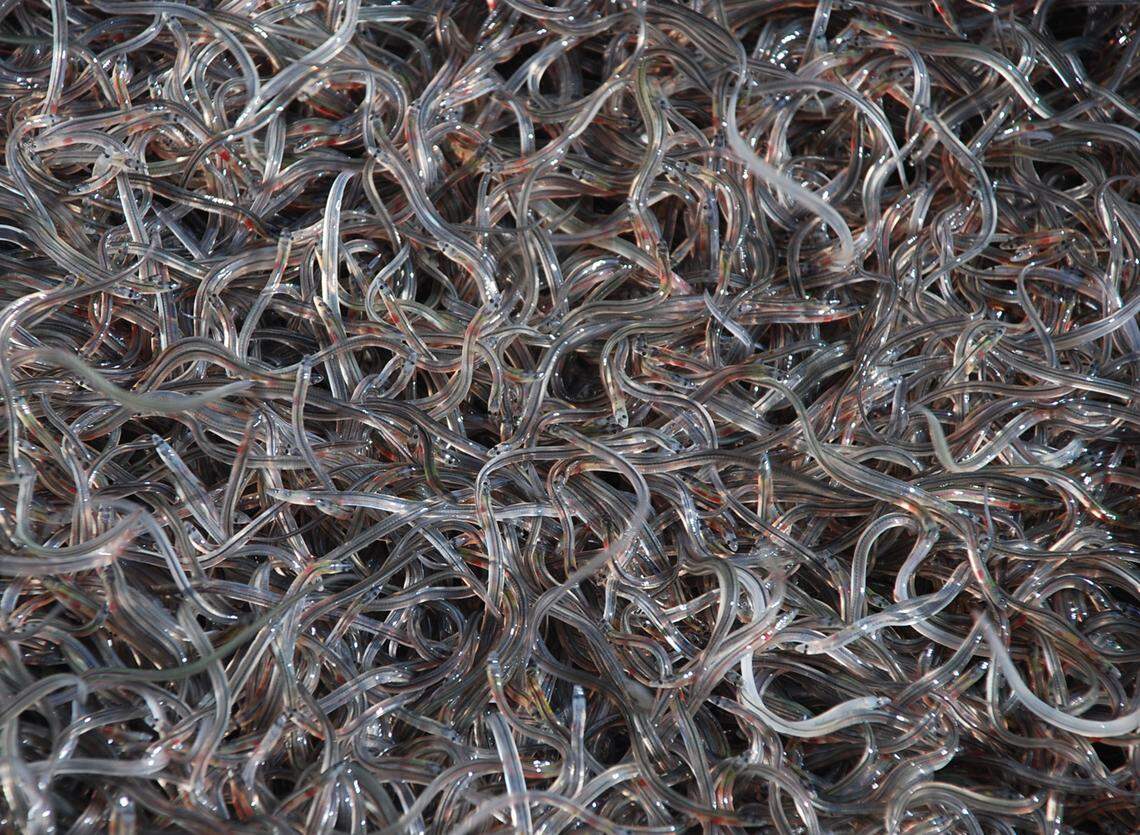
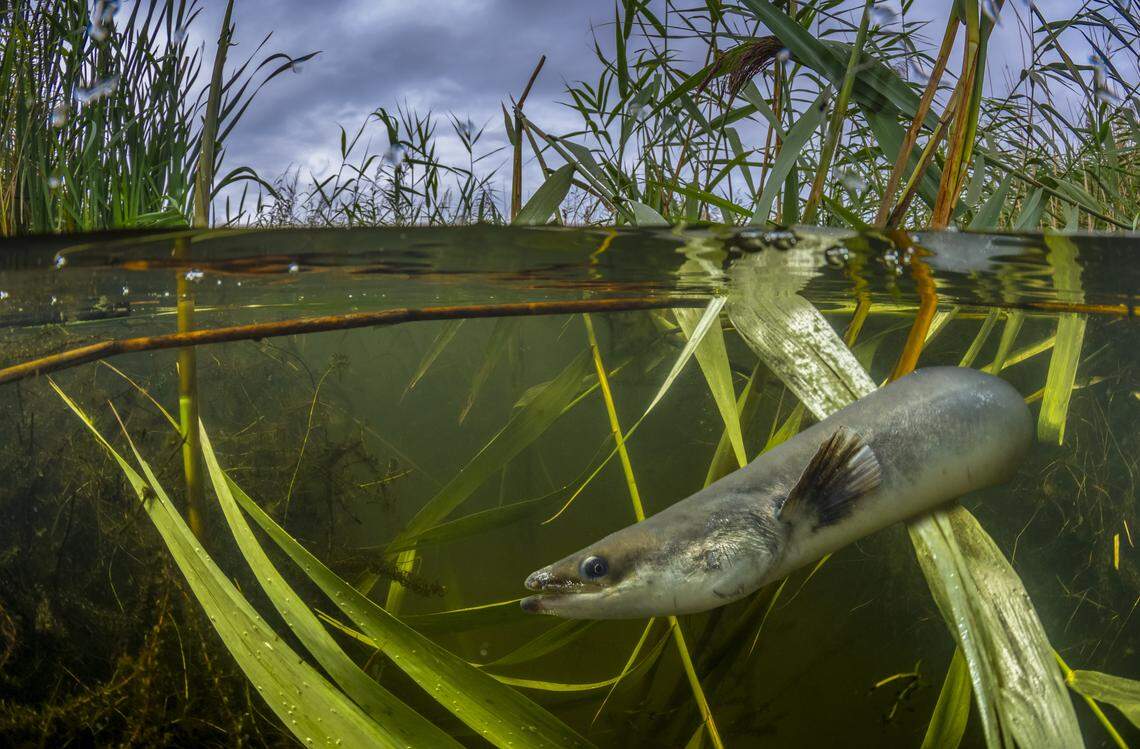
It’s the name given to the juveniles of the species Anguilla anguilla, also known as the European eel — a species that is born and dies in the Sargasso Sea and about which little else is known.
As one of the most trafficked animals in the world, it is a species on the brink of extinction. The European eel has seen a 90% to 95% decline in its population since the 1980s, according to a 2024 briefing from the European parliament.
If you’re wondering why people would have a seemingly insatiable desire for juvenile eels, you wouldn’t be alone in that either.
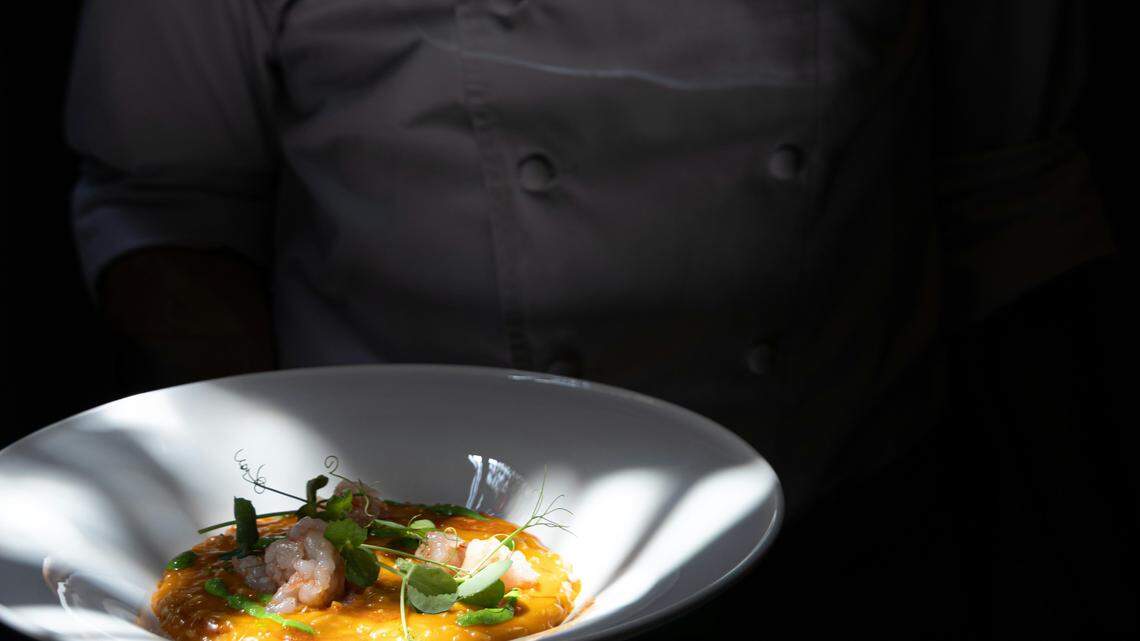
European eels are a delicacy in many places around the world, but no one knows how to breed them, according to experts at the Yale School for the Environment.
For those driving the demand, the next best course of action is to have smugglers transport young eels to illegal fish farms throughout Asia “where they are raised to maturity and sold to high-end restaurants,” experts said.
Inconsistent legislation around eel imports and exports has contributed to the problem, researcher Mònica Pons-Hernández told Mongabay.
“The trafficking of glass eels remains one of the most substantial and lucrative illegal trades of protected species across the globe, with illegal profits estimated to be up to EUR 3 billion in peak years,” Europol said in a 2025 organized crime threat assessment.
The latest phase of Europol’s Operation LAKE — the primary force tackling glass eel trafficking — also led to 16,131 inspections of facilities across Europe and 26 arrests between October and June, according to the release.
This story was originally published September 25, 2025 at 6:15 PM with the headline "‘Glass’ creatures — prized at high-end restaurants — seized in trafficking bust."