‘Walking leaves’ from Indonesia are really insects — and new species. See them
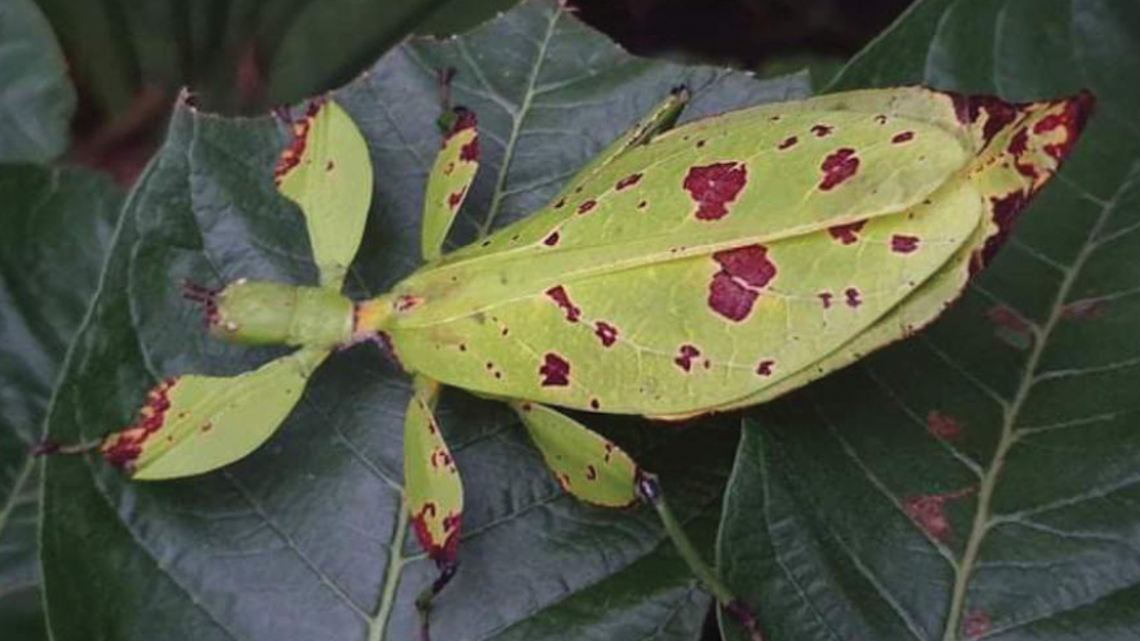
Few creatures in nature can camouflage themselves as convincingly as a group of insects known as “walking leaves.”
Using specimens from museum and private collections, researchers have identified seven new species of walking leaves from across Indonesia, each with their own distinct leaf-like characteristics, according to an Oct. 23 study published in the journal ZooKeys.
As their name suggests, species in the Phylliidae genus “are well known for their exceptional leaf mimicry,” which helps them stay hidden in their forest canopy habitats, researchers said.
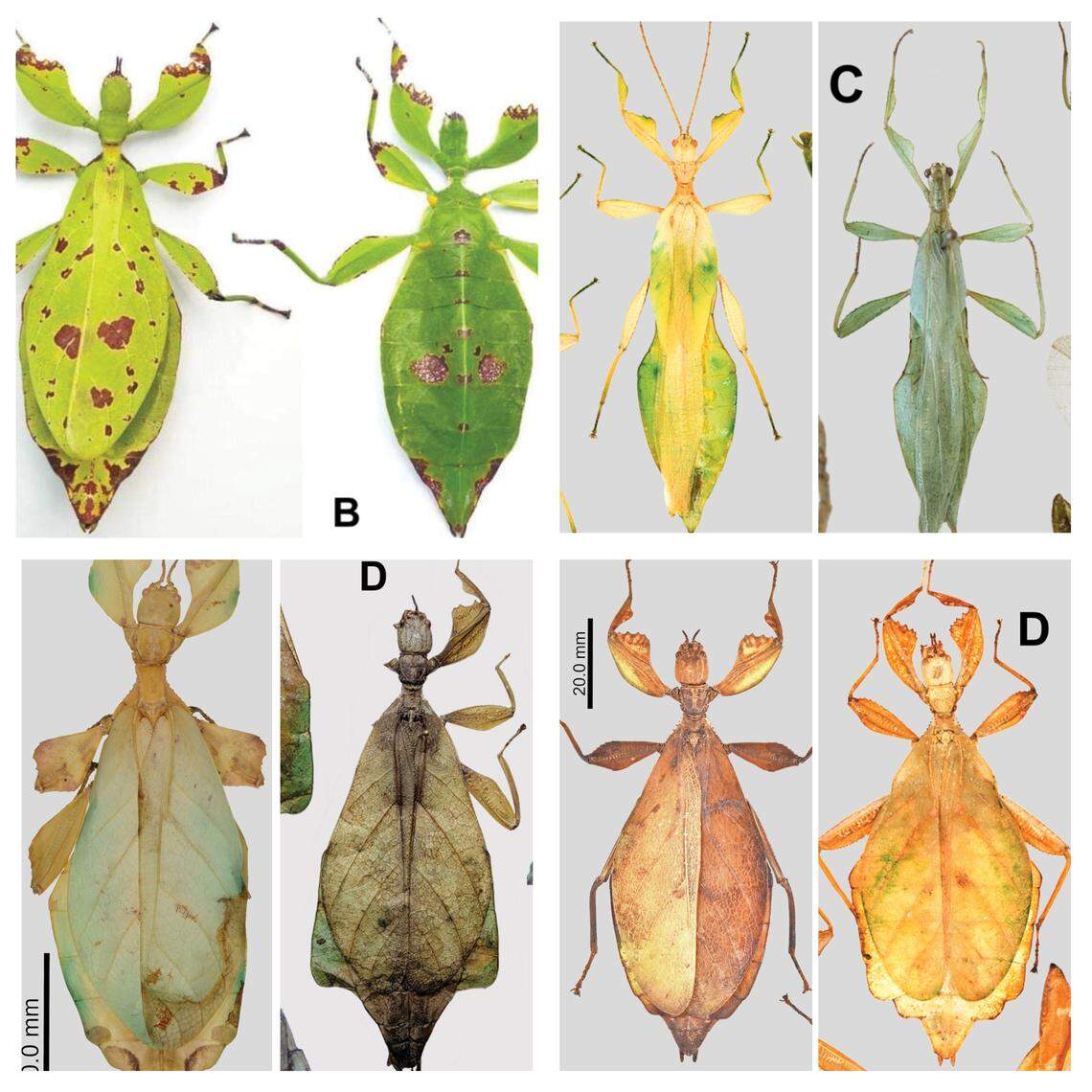
“Females are flightless and are larger than males. Males, however are capable of flight and are occasionally attracted to artificial lights at night,” making them easier to catch and study, according to the study. “However, occasionally with severe weather events or within anthropogenically disturbed habitats where lower canopy foliage facilitates human detection, females become more apparent,” researchers said.
In order to blend in completely with their environment, these insects will stand and sway as leaves on a tree would in a breeze, according to researchers.
Even indoors, they will sway “wildly, as is their natural predisposition, but looking very much like a drunken leaf stumbling home after a wild evening of too much merriment,” researchers said.
This earned one of the seven new species — Phyllium crapulatum — its Latin name meaning “drunken leaf.”
Researchers were also able to document the eggs of several new species, which will be helpful in identifying future specimens in the wild, according to the study.
When considering the “ongoing habitat fragmentation and deforestation in many parts of the Indo-Australian Archipelago,” researchers said these findings stress the “urgency of documenting and conserving narrowly distributed” species like these walking leaves before they’re gone for good.
The research team included Royce T. Cumming, Evelyn Marie Foley, Frank H. Hennemann, Stephane Le Tirant, Daawia, Evie Lilly Warikar, Heron Yando, Bambang Suhartawan, Katharina Henze, Thies H. Büscher and Sarah Bank.
This story was originally published October 24, 2025 at 2:18 PM with the headline "‘Walking leaves’ from Indonesia are really insects — and new species. See them."