
Putin in ‘weaker position than ever before' in Ukraine, EU’s top diplomat says
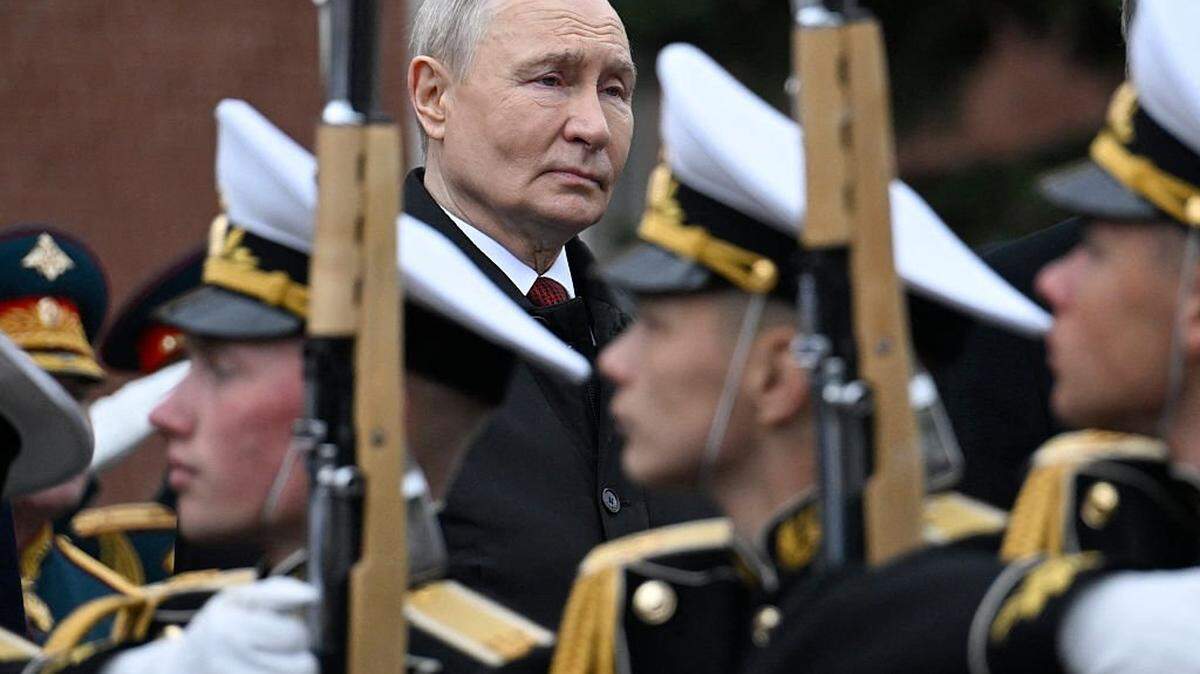
Russian President Vladimir Putin is in a weaker position than at any previous point in the Ukraine war, the European Union’s top diplomat said Monday.
Speaking to reporters on the sidelines of an informal meeting of EU foreign ministers, EU foreign policy chief Kaja Kallas said Russia is suffering losses on the battlefield and facing growing domestic pressure, even as it continues to maintain maximalist demands over Ukraine’s future.
“I think the overall understanding is that Putin is in a weaker position than he has ever been before,” she said. “We see they are losing on the battlefield, a lot of lives. There is growing discontent in Russian society.”
Why It Matters
Kallas’s assessment comes amid renewed debate over whether Moscow may be repositioning itself ahead of potential diplomatic talks. The EU has consistently argued that any peace settlement must reflect Ukraine’s sovereignty and security interests. If Russia is indeed under greater military and political strain, EU leaders see continued pressure as key to preventing negotiations that reward territorial aggression.
Kallas’s comments also underscore divisions between rhetoric and action, with European officials warning that apparent signals of compromise from Moscow may be tactical rather than substantive.
What to Know
Kallas’s comments come as a U.S.-brokered, three‑day ceasefire announced by President Donald Trump was scheduled to run from May 9 to 11, coinciding with Russia’s Victory Day celebrations. The temporary truce, which Trump on Friday said he personally requested and was agreed to by both Moscow and Kyiv, has come under strain, with fighting and mutual accusations of violations reported soon after it took effect, underscoring EU concerns that Russia’s public signals about ending the war may not yet reflect a willingness to negotiate in earnest.
Putin spoke to reporters on Saturday after a smaller-than-usual Victory Day parade. He said of the Ukraine war, “I think that the matter is coming to an end.” His comments raised questions among Western officials about whether Kyiv and its allies should expect a shift in Russia’s negotiating posture.
Kallas said EU officials had closely examined Putin’s recent statements, which differ from previous messaging, but concluded they do not yet signal a genuine readiness to negotiate. She argued Russia remains weakened by battlefield losses, mounting casualties, and declining public support for the war, which she said has prompted efforts to restrict access to information within Russia.
“Support for Putin’s war is going down, she said, adding, “Putin is not standing that strong.”
She also pointed to Ukraine’s deep‑strike capability as having a material impact on Russia’s position, saying recent attacks inside Russian territory have increased domestic unease and reduced enthusiasm for the war among influential voices. According to Kallas, these factors explain Moscow’s recent shift in tone-but not a change in its objectives.
Despite Russia’s difficulties, Kallas said the Kremlin continues to present “maximum demands,” including conditions incompatible with Ukraine’s sovereignty, signaling that serious negotiations remain unlikely for now.
Putin, when asked on Saturday whether he would be willing to engage in talks with Europe regarding a new security framework, said his “personal preference” for a negotiating partner would be Gerhard Schröder, former chancellor of Germany.
“Let the Europeans choose a leader whom they trust and who hasn’t said anything nasty about us,” he said.
But this idea was rejected by Kallas.
“I think Gerhard Schröder has been the high-level lobbyist for Russian state-owned companies so it’s clear why Putin wants him to be the person, so he would be sitting on both sides of the table,” Kallas told press, per Politico.
What Happens Next
EU foreign ministers are expected to continue discussing Ukraine and Russia at upcoming meetings, with a focus on maintaining sanctions and coordinating military and financial support for Kyiv.
Officials are also watching for any concrete moves from Moscow following recent statements by Putin, though Kallas cautioned that the EU sees no evidence yet of a meaningful change in Russia’s negotiating stance.
2026 NEWSWEEK DIGITAL LLC.