White House defends opportunity zones ahead of Trump visit to Charlotte
The White House says its tax incentive for investors in blighted areas, which has come under fire from Democrats and activists, are not the reason that black residents of Charlotte and other urban areas are being displaced.
Known as “opportunity zones,” the areas were designated for preferential tax treatment for investors by Donald Trump’s administration in 2018. So far 17 neighborhoods in the Charlotte area have qualified for that designation.
President Trump put forward the zones in his annual State of the Union address as one of his top achievements since taking office. Community leaders in Charlotte, however, say the tax benefits have led to gentrification.
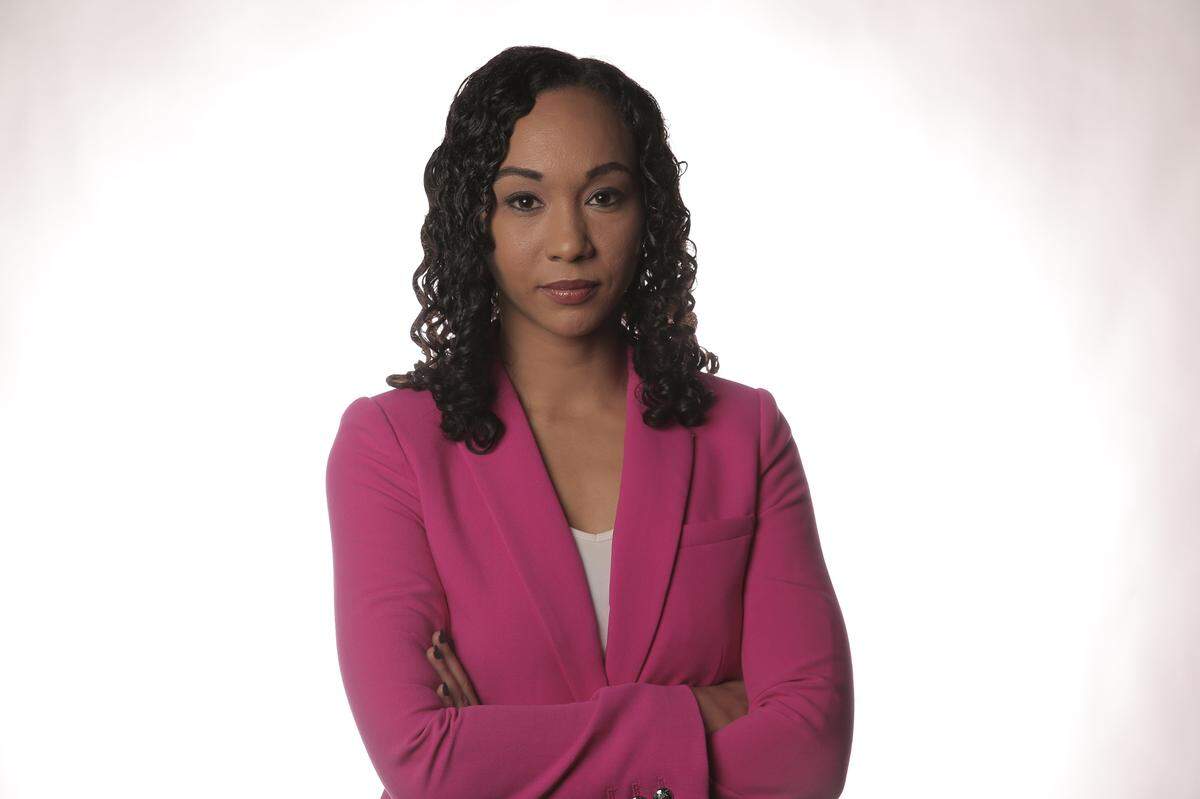
Ja’Ron Smith, a top adviser to Trump on the policy, said the zones are being unfairly maligned.
“Gentrification is not something that wasn’t happening already. It was already happening way before opportunity zones legislation became the law,” Smith, a deputy assistant to the president, said in an interview with McClatchy. “The mass build up of urban areas has been happening all across the country, way before opportunity zones became the law.”
Trump praised opportunity zones in his State of the Union speech to a joint session of Congress on Tuesday evening.
“Jobs and investments are pouring into 9,000 previously neglected neighborhoods, thanks to opportunity zones,” he said.
The president singled out Sen. Tim Scott, R-S.C., for leading the effort to create them. “In other words, wealthy people and companies are pouring money into poor neighborhoods or areas that haven’t seen investment in many decades, creating jobs, energy and excitement,” Trump said. “This is the first time that these deserving communities have seen anything like this. It’s all working.”
The president will be in Charlotte on Friday to further promote the initiative that seeks to rejuvenate distressed communities. He will speak at a summit aimed at bringing business owners, faith leaders and government officials together to discuss problems facing the African-American population and strategies and tools like opportunity zones that the White House believes will help solve them.
“This work is kind of the first step of a big domino falling,” said Smith. “And that’s not something that changes right overnight. We have to have a long-term strategy and a long-term vision.”
The president’s push for the tax break comes amid local and national criticism that the wealthy and those connected to Trump are using the tax break to build high-end projects, rather than to help the poor.
The Rev. Willie Keaton Jr., a Charlotte activist, views the initiative as similar to urban renewal, a federal policy through which Charlotte demolished hundreds of homes, businesses and churches in what was the city’s largest black neighborhood, known as Brooklyn. Leaders promised to provide new housing for residents, but they never did.
“Urban renewal was touted as a way to address blight, crime, slums,” Keaton said. “... It’s the government presenting a policy that on the surface is designed to do good, but in the long run blacks end up with the short end of the stick.”
Smith said the opportunity zones were created to “deal with issues of displacement. It was to deal with issues of creating wealth.”
“You have to figure out a strategy to re-own the neighborhood,” he added.
But Corine Mack, president of the Charlotte chapter of the NAACP, questioned that argument.
“If that was so, why are people still impoverished?” she asked. “Why are predominantly white people reaping the wealth? .... We know that opportunity zones have nothing to do with equitable housing and redistribution of wealth.”
The White House contends that affordable housing projects can be the direct outcome of opportunity zones. Smith used Miami as an example.
He praised Charlotte Mayor Vi Lyles and the city council, saying the Democratic leader understands that the administration intends opportunity zones to be a method of dealing with gentrification. They can be leveraged by a number of industries, including manufacturing and clean and renewable energy, he said.
Smith said the goal is to create a “win-win” for developers and the community, rather than “demonize” investors.
“We can’t demonize businesses. We’ve got to find a way to work with investors, work with the community and create a win-win. People can do well and do good at the same time.”
Discriminatory policies like redlining, deed restrictions and urban renewal have left black residents of Charlotte at a financial disadvantage, Keaton said. A 2014 study from Harvard economist Raj Chetty found that Charlotte ranks 50th out of 50 cities for economic mobility. Those racist policies, a local task force later found, played a key role in creating that gap.
“To suggest that there’s a win-win is to say that we’re on an equal playing ground,” Keaton said. “And we’re just not.”
Pushing back on claims that it’s wealthy white developers who are benefiting, Smith of the White House pointed to African-Americans who are making use of the zones, too.
He named former Dallas Cowboys star Emmitt Smith, former Tennessee Titans player Derrick Morgan, rapper TI, Basketball Hall of Famers David Robinson and Magic Johnson in the interview. The black celebrities are developing projects in opportunity zones. TI advocated for the tax breaks on Capitol Hill last year.
This story was originally published February 5, 2020 at 5:00 AM.