Disgraced former NC congressman and billionaire donor face prison in bribery scandal
The next chapter in one of North Carolina’s worst government corruption scandals unfolds this month with two questions:
Will former Republican Congressman Robin Hayes go to prison? And how long will billionaire businessman Greg Lindberg stay there?
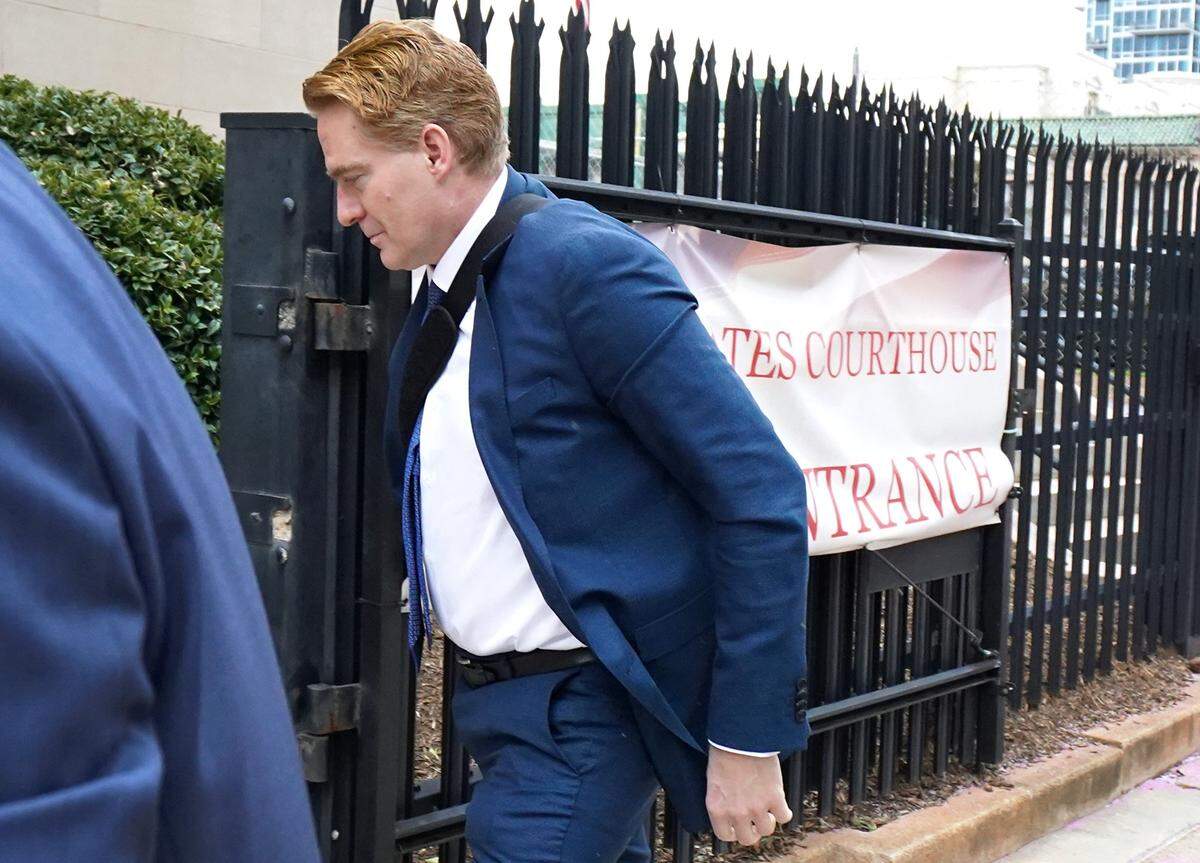
Hayes, a longtime elected official from Concord, and Lindberg, one of the state’s biggest political donors, face sentencing on Aug. 19 in Charlotte for their roles in a scheme to pump millions in campaign donations to Insurance Commissioner Mike Causey. In return, Causey promised to remove his department inspector overseeing Lindberg’s companies.
Causey never did. Instead, he wore an FBI wire during meetings with Lindberg and his associates negotiating how $2 million would be funneled into the Republican office-holder’s campaign account through the state GOP.
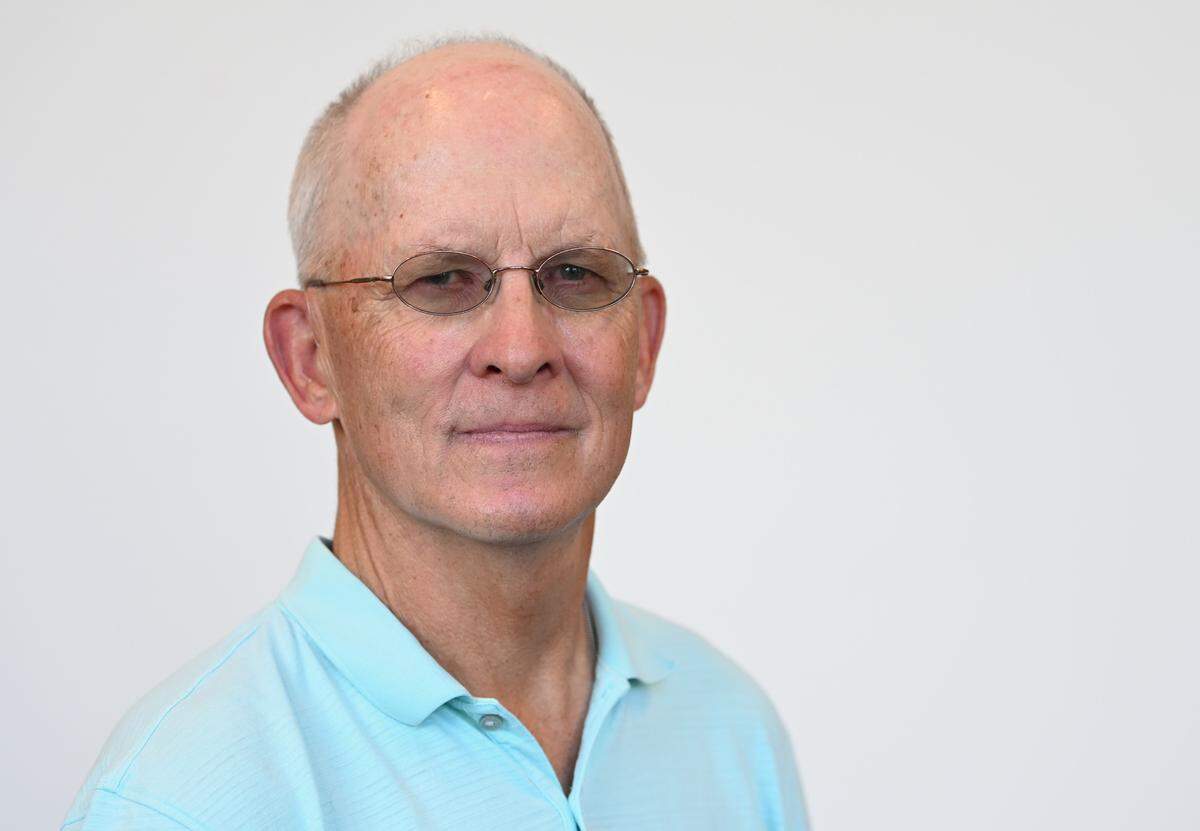
Hayes, an 11-term congressman and state GOP chairman at the time, agreed to assist the scheme by channeling $250,000 to Causey. As part of an agreement with federal prosecutors, Hayes, 74, pleaded guilty in October to a reduced charge of lying to the FBI.
In March, following a three-week trial in Charlotte, Lindberg and associate John Gray were convicted of two public corruption charges. A third man, Lindberg business associate John Palermo, was found not guilty on both counts.
An appeal is likely.
Lindberg and Gray, now convicted felons, face a maximum of 30 years combined for their crimes. What punishment federal prosecutors recommend to U.S. District Judge Max Cogburn remains sealed in case files. However, the amount of money involved along with the fact that the conspirators attempted to corrupt a high-ranking public officials could add significant time to their sentences.
According to a U.S. Sentencing Commission report on fiscal 2019 bribery prosecutions, more than 75 percent of the cases ended in a prison sentence. The average prison stay handed down was 25 months, compared to an average recommended minimum on the federal sentencing guidelines of 45 months.
Fewer than 15 percent of the cases involved bribes of $1.5 million or more. The two biggest factors for increasing a sentence were multiple bribes and whether a “high-level elected official” was involved.
‘A very public fall from grace’
The Lindberg case is one of two overlapping Republican political scandals in 2018 still resonating across the state. In the other, widespread absentee-voter fraud by an operative for Republican Mark Harris of Charlotte overturned Harris’ apparent win in the 9th Congressional District.
This week, Cogburn set the stage for sentencing in the bribery case by denying a defense motion that he acquit Lindberg and Gray or grant them a new trial. The pair’s attorneys attacked the verdict on numerous grounds, from trial errors by the judge to the claim that their clients were entrapped by Causey and his FBI handlers.
“The Court agrees with the defendants that there is more than a scintilla of evidence suggesting Government inducement,” Cogburn wrote in his 55-page filing Tuesday.
He concluded, however, that prosecutors “presented ample evidence for the jury to find that the defendants were predisposed to commit the offenses, as they were ready and willing to offer a bribe when given an opportunity.”
Cogburn also denied a defense request that the court refund about $1.5 million that prosecutors said the conspirators placed into two accounts for Causey’s use.
According to court filings, Hayes, a 1996 gubernatorial candidate and a member of the prominent Cabarrus County family that owns Cannon Mills, faces a punishment ranging from probation to six months in prison.
In a June sentencing memorandum filed with the court, his attorneys argued for the latter. They say Hayes had spent his life helping others and that he is not a risk to commit future crimes.
They also argued that Hayes, who will turn 75 less than a week before his sentencing, “will regret lying to the FBI for the rest of his life.”
In addition, Hayes’ “very public fall from grace” has forced him to resign as GOP chairman and leave the board of the Cannon Foundation, they wrote. Because Hayes is a convicted felon who can no longer own a firearm, gone, too, are his “cherished” hunting trips with children and grandchildren, his attorneys wrote.
Hayes’ attorneys argue: “No separate punishment would exceed the gravity of those consequences of his conviction.”
This story was originally published August 7, 2020 at 9:51 AM.