100 NC lawmakers signed onto a health care bill. Then donors started calling.
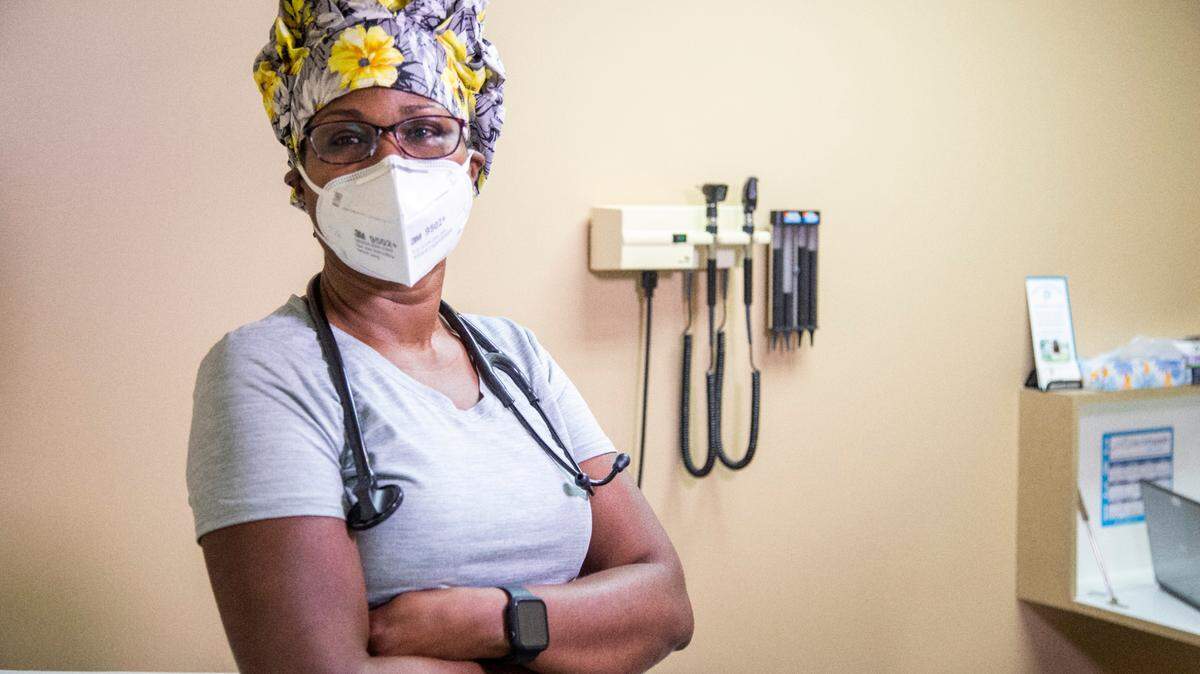
In North Carolina’s sharply divided legislature, where few pieces of high-profile legislation receive bipartisan support, lawmakers from both parties are backing a bill that, proponents say, would lower health care costs and remove a layer of bureaucracy.
A majority of state lawmakers have signaled their support for the legislation. But key lawmakers whose election campaigns were heavily funded by physicians appear to be holding up the bill.
Supporters of the legislation say the bill, which would give more independence to some of the state’s most skilled nurses, is stuck in a holding pattern in part because lobbyists and doctors are running the same playbook to fight the bill as they have in previous years.
This year’s bill, filed more than three weeks ago, has yet to be heard in committee — the first of many steps required for it to become law. The slowdown shows how, in North Carolina’s political system, powerful donors can successfully block a piece of legislation, even when it has widespread support inside the General Assembly.
In 2019, for example, former Rep. Holly Grange, a Republican from Wilmington, said doctors pressured her to withdraw her support from a nearly identical version of the proposed legislation.
“I had one of them say, ‘We’ve donated to you in the past and you’re not supporting us now,’” Grange said. “I was encouraged to take my name off the bill.”
If this year’s proposal makes its way through the legislature and is signed into law, North Carolina would be one of more than 20 states and the District of Columbia where some advanced practice nurses — many of whom can already prescribe medication and make diagnoses — can practice without supervision.
Those who oppose the legislation say it’s better for patients when physicians and nurses work together, but many doctors have a financial incentive to keep the law in place. Doing away with the requirement would mean some physicians would no longer receive payments for supervising these nurses.
“It’s not that there are a lot of folks that are opposed to it,” said Dennis Taylor, president of the North Carolina Nurses Association. “It’s just the ones that are are very vocal, and they have very deep pockets. You and I both know it all comes down to money.”
All nurses and their supporters are asking for, Taylor said, is a fair hearing, debate and vote on the bill. So far, that hasn’t happened.
Pressure campaign
North Carolina law currently requires that nurse practitioners and certified nurse midwives be supervised by a physician. State regulations require that each of these nurses have an agreement with a physician and meet with them every six months.
Under the legislation, all advanced practice nurses would operate under the oversight of solely the Board of Nursing. Currently, some nurses are overseen by the state’s Medical Board in addition to the nursing board. Some nurses would also be granted prescribing authority, as other advanced practice nurses of their same education level currently are.
When Grange signed onto the 2019 bill, she started receiving “angry” and “contentious” phone calls from doctors who supported her campaign, she said.
Grange said she thought both physicians and physician lobbyists also pressured other lawmakers.
“The reason is because they’re going to test the waters to see which legislators they can bend and which ones they can manipulate and threaten,” Grange said. “The doctors’ organizations, they donate a lot of money to candidates, and the nurses don’t necessarily have that amount of resources to do that.”
Grange refused to take her name off of the bill that year, but the legislation was never heard, debated or voted on.
In a YouTube video posted shortly after this year’s legislation was filed, North Carolina Medical Society lobbyist Sue Ann Forrest encouraged members to “reach out to your legislators on this issue,” before the deadline to sign up as a co-sponsor of the bill.
“Over this weekend and into next week, the bill sponsors will be asking legislators to sign on to this bill to sponsor it,” Forrest said.
This year, at least five lawmakers signed onto the legislation but later removed their names from the bill, according to legislative records and screenshots of the bill page.
Supervision for nurses
“The bill proposes independent practice at a time when medical professionals need to be working closer together rather than trying to go it alone,” said North Carolina Medical Society CEO Chip Baggett. “Cost, quality and patient satisfaction cannot be addressed separated from everyone else in the medical profession.”
But nurses haven’t been required to meet with supervising physicians every six months, as state rules require, since May of last year.
A provision in the coronavirus relief package recently updated and passed by the General Assembly waived quality improvement meetings for advanced practice nurses. That change was extended through 2022 in the latest version of the legislation.
Rep. Gale Adcock, a Democrat from Cary who has practiced as a nurse practitioner for 34 years and is a sponsor of the bill, said that’s proof physician supervision isn’t needed.
Adcock also said other states which have passed such legislation have never reversed it because there has been no evidence of significant care problems.
For the most part, the bill won’t change what most advanced practice nurses can already do. It will allow them to practice the same way they always have, just without supervision, proponents say.
“It’s such little supervision actually required for these collaborative practice agreements,” said Jordan Roberts, a lobbyist for the John Locke Foundation “There’s not much supervising required by it, and a lot of these nurses are effectively practicing independently already. This is just an extra layer of cost.”
A 2015 Duke study found that passing legislation like the SAVE Act would save the state health system anywhere from $433 million to $4.3 billion.
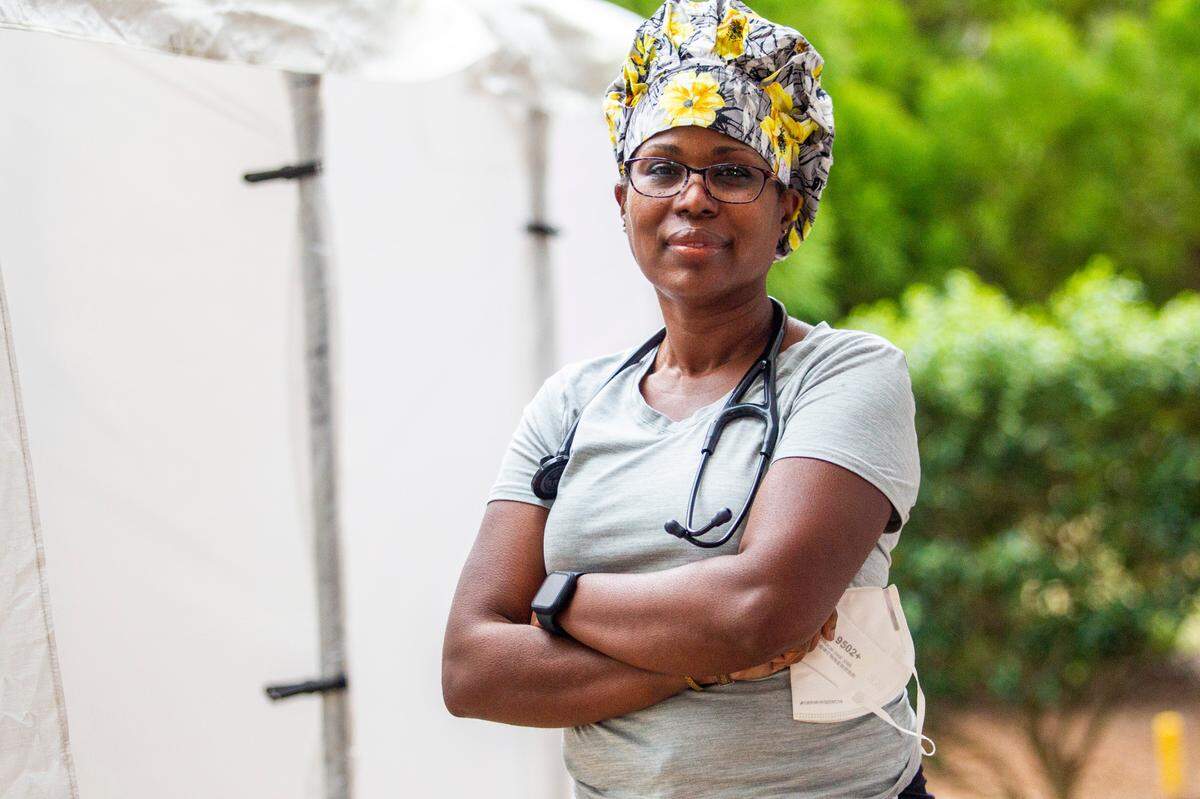
Schquthia Peacock, a nurse practitioner who co-owns a practice with a physician in Cary, said the state doesn’t need to mandate collaboration.
“There’s enough need for patient care out there that everyone can participate at what level they need to,” Peacock said. “Not to say that a nurse practitioner doesn’t need the collaboration of a physician; it doesn’t need to be mandated by law. We do that on a regular basis.”
Campaign coffers
Proponents of the legislation said key lawmakers are holding it up, but declined to name them for fear of further jeopardizing the bill from passing.
However, the lengthy list of sponsors provides clues. Two of the five chairs of the House health committee — one possible starting point for the bill — did not sign on as co-sponsors of the legislation. The three other chairs have signaled their support for the bill, but to bring it up for a hearing or vote, all chairs have to agree to do so.
Rep. Kristin Baker is a first-term lawmaker and the only physician in North Carolina’s legislature. The Republican from Cabarrus County is one of the chairs of the House health committee who did not sign on.
Baker’s 2020 campaign was heavily funded by doctors and groups representing them.
Her campaign received at least $87,000 in 2019 and 2020 from physician-backed committees and physicians who self-reported their occupation in campaign finance records.
And one outside group called NC Citizens for Patient Safety, which is heavily funded by medical groups, including the North Carolina Society of Anesthesiologists, Providence Anesthesiology Associates and US Radiology Specialists, spent $153,000 in advertisements to support Baker during the election.
Baker did not respond to emails and a text and declined an in-person request from The News & Observer for comment about the legislation.
The other health committee chair who is not among the bill’s 102 sponsors, Rep. Larry Potts, a Republican from Davidson County, received some $17,000 from physicians and their committees during the election.
Some of those same groups also funded the campaign of Sen. Jim Perry, a Republican from Kinston, who is one of three chairs of the Senate health committee.
Perry, who previously worked in the dental field for 20 years helping dentists open practices across the country, received at least $40,000 from physicians and physician groups.
Reached Monday, Perry said he hadn’t had a chance to read the bill, but that stakeholders should work their differences in opinion out among themselves.
Perry is the only of the chairs on the Senate health committee — another place the bill could receive its first hearing and vote — who is not a sponsor of the legislation.
Adcock, who is not a Health committee chair, received $23,000 from nursing groups in 2019 and 2020.
The five chairs who support the legislation received an estimated $54,000 altogether from advanced practice nurses and nursing groups backed by them.
The House version of the bill was most recently sent to the chamber’s Rules committee, signaling it likely won’t go anywhere for awhile, former Rep. Grange said.
“Maybe that’s just because they don’t want to take up something so contentious or controversial,” Grange said. “It’s great legislation. I think it’s something that needs to go through. I just don’t know there’s an appetite for it.”
For more North Carolina government and politics news, listen to the Under the Dome politics podcast from The News & Observer and the NC Insider. You can find it on Pandora, Spotify, Apple Podcasts, Stitcher, iHeartRadio, Amazon Music, Megaphone or wherever you get your podcasts.
This story was originally published April 4, 2021 at 8:00 AM with the headline "100 NC lawmakers signed onto a health care bill. Then donors started calling.."