
What you need to know about the status of the NC state budget in 2021 vs. 2019
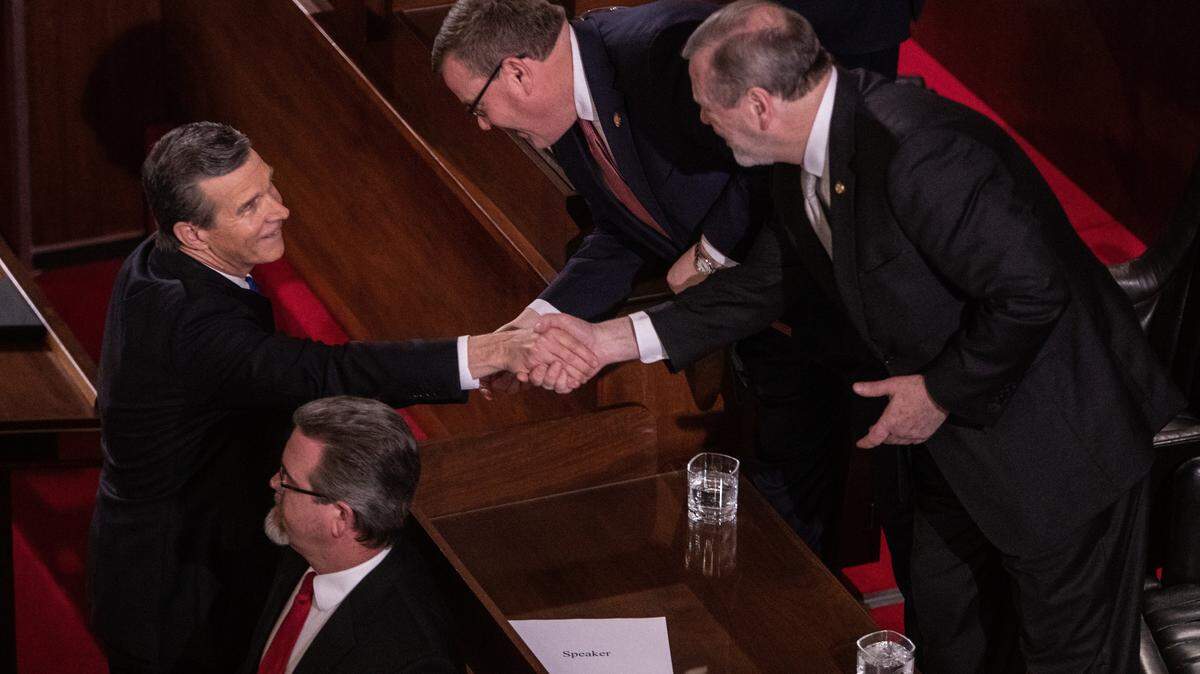
North Carolinians could be days, or possibly weeks, away from a state budget compromise between Democratic Gov. Roy Cooper and the Republican-majority General Assembly.
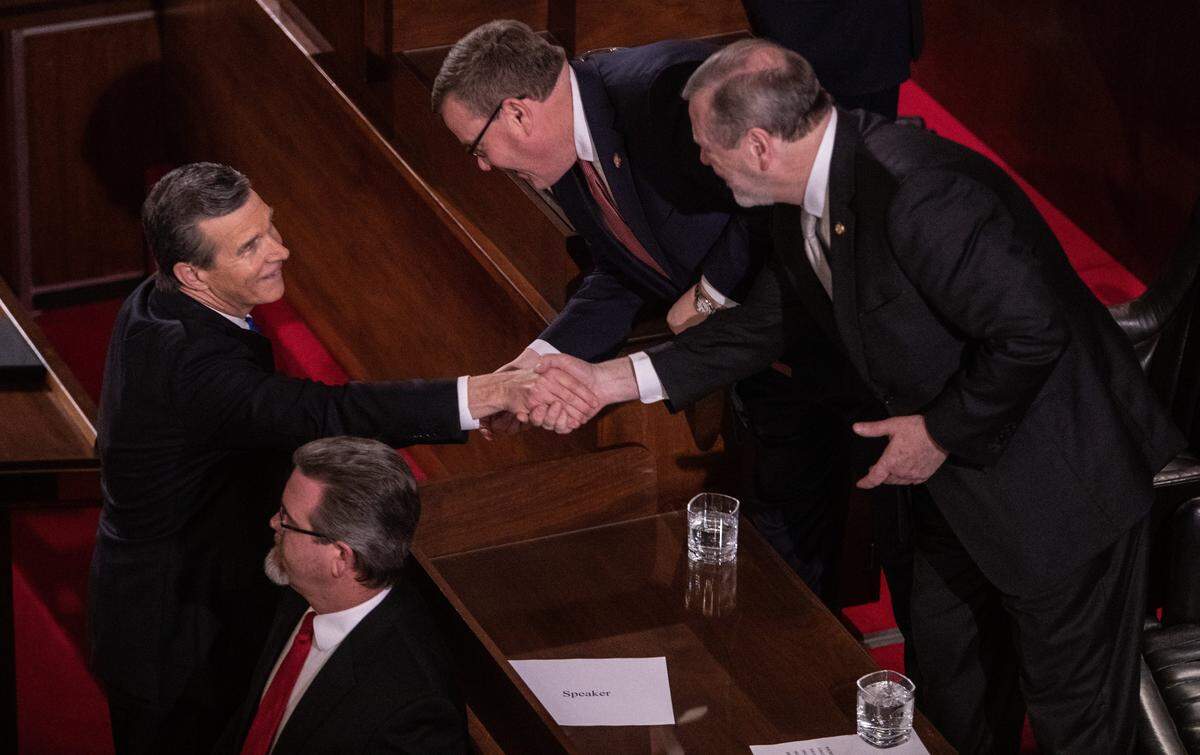
The three top North Carolina politicians who will make the final decisions on billions of dollars in state spending are expected to meet in person soon.
Here’s what you need to know as Cooper, Senate leader Phil Berger and House Speaker Tim Moore work it out.
How does the budget process work?
North Carolina’s General Assembly is supposed to pass a two-year budget every other year during its long session.
Each chamber takes turns offering their proposed budget first. In 2021, it was the Senate’s turn. After that chamber passes its budget bill, the other chamber also passes a version of the budget bill. They often have similarities. Then a third version of the budget, called the conference budget, is passed by both the House and Senate, and that is sent to the governor to sign or veto.
This year, the governor has been brought to the bargaining table before the final conference budget is released publicly, in hopes of avoiding a veto.
Why it matters
When there isn’t a new comprehensive budget by the start of the fiscal year on July 1, no new money is spent. That means no raises for teachers, public school workers and other state employees as well as no new projects or programs.
This has become evident this year with the shortage of school bus drivers and other education workers in the state and nationwide. A new budget could mean increased wages to better recruit new employees.
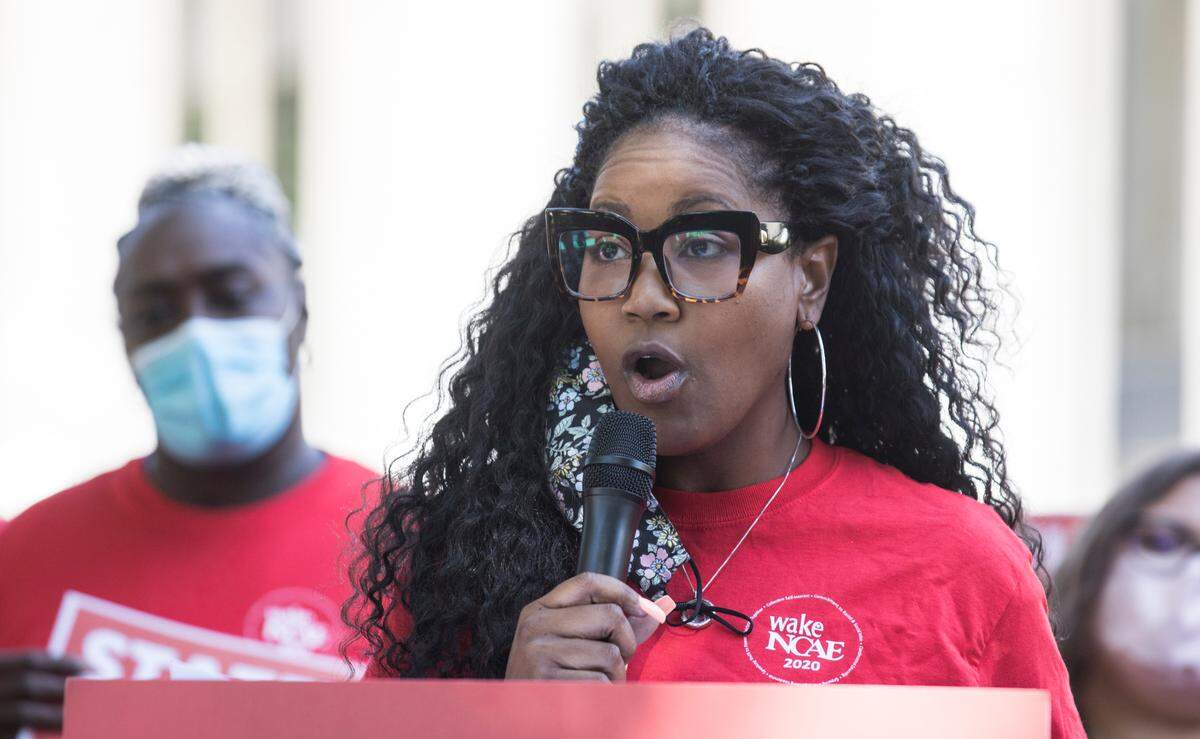
“Instead of passing a budget, state lawmakers sit on a $6.5 billion surplus,” said Juneakcia Green, a Wake County Public Schools System bus driver, in September, The News & Observer previously reported.
Green and the North Carolina Association of Educators were advocating for increased school personnel pay, which is part of the budget.
Beyond raises, potential tax cuts and programs, the state budget will also allocate millions of dollars in federal COVID-19 relief funds from the American Rescue Plan. That means worker bonuses and much more.
What did I miss?
This isn’t the first time the budget has been really late. In 2019, there was no comprehensive budget at all. Instead, a series of piecemeal budget bills were passed over months.
This year, Cooper, Berger and Moore will negotiate the major issues before the conference budget is sent to Cooper. That’s what they are doing this week, after exchanging offers and counteroffers.
How can I be heard?
You can tell the state lawmakers who represent you what you think. While the leadership is just a few people, there are 170 state lawmakers in North Carolina — 50 senators and 120 representatives. Their office phone numbers and email addresses are listed on the General Assembly website, ncleg.gov.
For more North Carolina government and politics news, listen to the Under the Dome politics podcast from The News & Observer and the NC Insider. You can find it at link.chtbl.com/underthedomenc or wherever you get your podcasts.
This story was originally published October 11, 2021 at 6:00 AM with the headline "What you need to know about the status of the NC state budget in 2021 vs. 2019."
.jpg)