
North Carolina hasn’t tested for lead in schools’ drinking water. Until now.
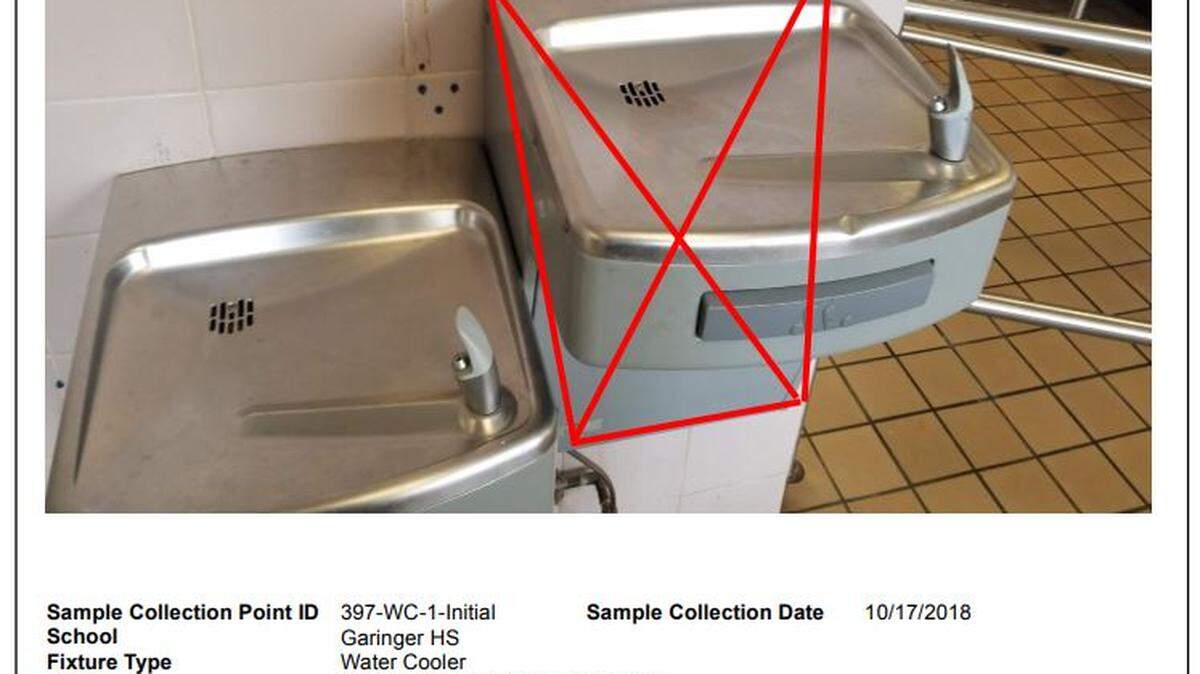
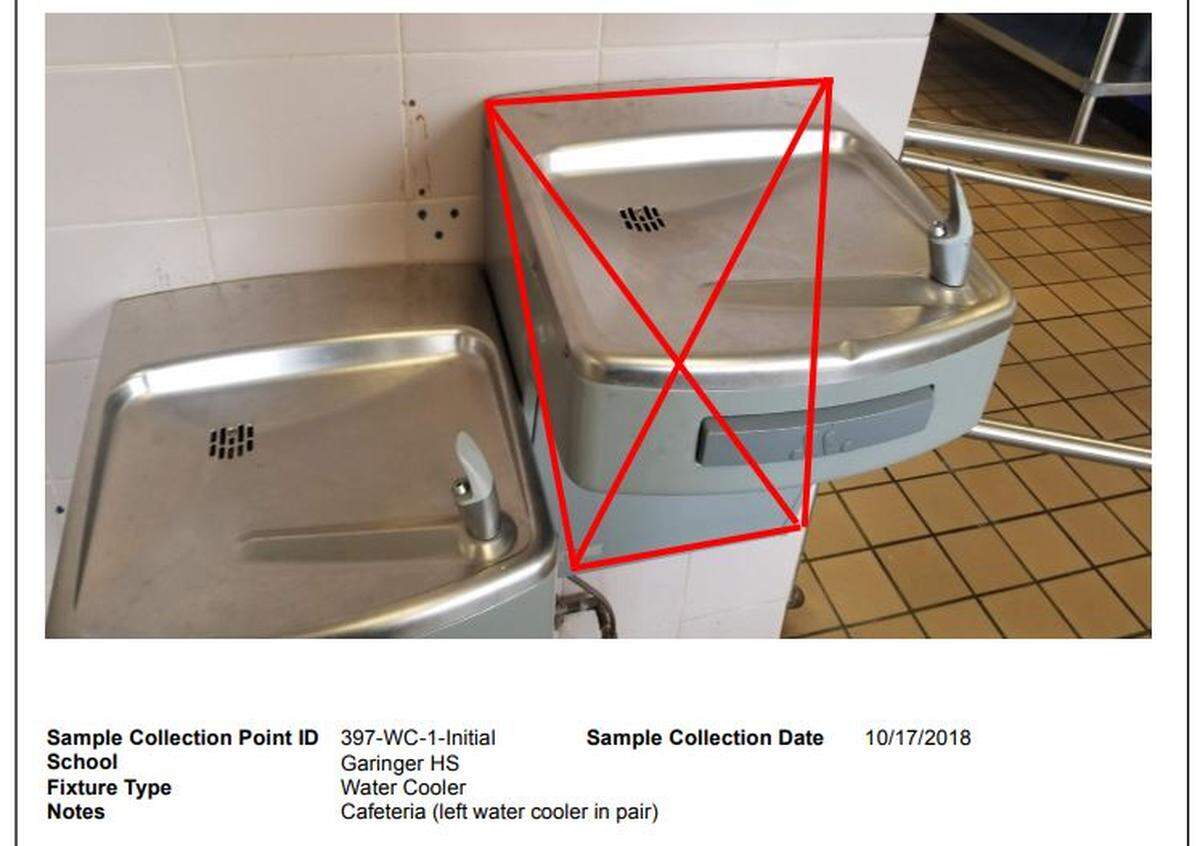
Public schools in North Carolina could begin testing taps and drinking water fountains for lead concentrations early next year, using funds included in the recently signed state budget.
The budget allocates $32.8 million from the American Rescue Act to the N.C. Department of Health and Human Services to work with the N.C. Department of Public Instruction to set up a lead testing program for every tap and water fountain in schools across the state. That money will also be used to fix taps with levels of lead North Carolina considers dangerous for children.
“We’ve never had money to fix the problem before,” said Ed Norman, head of Children’s Environmental Health at DHHS. “So the mitigation funds that are in the special provision, that’s just remarkable.”
Lead can leach from corroding pipes and faucets into water. There is no safe level of lead, and exposure is particularly dangerous for children, in whom the Environmental Protection Agency says it can slow growth, lower IQ and cause behavioral problems.
The testing effort will be modeled on Clean Water for Carolina Kids, a partnership between RTI International, DHHS and DPI that has tested for lead in drinking water at North Carolina child care centers.
Of 4,032 facilities the Clean Water partnership has sampled so far, 499 — or 12.4% — had lead concentrations above North Carolina’s health hazard level of 10 ppb. That means one out of every eight child care facilities in North Carolina has at least one tap or drinking water fountain with levels of lead above the state’s lead poisoning hazard level.
About 3.5% of the child care centers tested had a tap or faucet with lead between 10 and 15 ppb. Those centers would have been below North Carolina’s lead poisoning hazard level until Dec. 1, when House Bill 272 lowered the hazard level to 10 ppb.
Child care centers typically have one or a handful of taps with lead measurements above the state’s levels. Keeping lead out of drinking water often involves small-scale efforts, said Jennifer Hoponick Redmon, an RTI senior environmental health scientist and director of the Clean Water for Carolina Kids program.
“In a lot of places in North Carolina, the actual mitigation is like faucet fixture replacements, things that are no cost and low cost to do. Another thing is putting in a filter that’s certified to remove lead and maintaining that,” Redmon said.
Redmon said child care centers with higher risk for hazardous lead levels included those that were renting their buildings and those that were either close to or very far away from water treatment plants.
Preliminary results for the statewide testing indicate that there is some association between centers with higher levels of children receiving free and reduced lunches and high levels of lead in drinking water.
“We’re parsing into that more and hope that we can use what we’ve learned about the statewide (child care) center and Headstart and pre-K testing to potentially apply that to schools,” Redmon said.
In 2019, Environment North Carolina, gave the state an “F” for failing to get lead out of drinking water at schools. Krista Early, an advocate at Environment North Carolina’s Research and Policy Center, said the updated hazard level and budgeted funds mean the situation has significantly improved over the past year.
Still, Early said, school boards across the state should use relief funds to replace outdated fountains that could be leaching lead into drinking water. Environment North Carolina’s sister groups in Massachussets and Michigan have estimated that buying and installing water filtration stations costs about $3,000 apiece, with replacement filters costing about $100 apiece.
“It is the endpoint filtration method where our children no longer have to drink from a water fountain that is leaching lead — and the water fountain itself is the problem,” Early said, also pointing to some taps as a problem.
Norman, of DHHS, said it is likely that about $25 million of the budgeted funds will be used to replace taps and provide filtration stations. The department is working now to design a program that will guarantee the cleanup funding is spent equitably.
“We don’t want to spend them all (the funds) on the wealthiest school districts because they were just the quickest ones to do all their testing,” Norman said. “We have to make sure that we’re keeping the funds available for basically all parts of the state that are going to be testing.”
While the effort will be the largest ever undertaken in North Carolina’s public schools, Norman said he expects the mitigation funding will run out before every school with high levels can be addressed.
The state will only test schools for lead one time, Norman said. The federal government is expected to enact its updated Lead and Cooper Rule in 2024, a law that as currently written would require water utilities to test for lead levels every five years at five drinking water sources in schools and two in child care centers.
North Carolina’s effort in the coming months could give those future tests a place to start, Norman added, focusing on the taps or fountains that had measurable lead but didn’t quite meet the state’s hazard levels.
“There are going to be a lot fewer lead hazards three years from now than there are right now,” Norman said.
This story was produced with financial support from 1Earth Fund, in partnership with Journalism Funding Partners, as part of an independent journalism fellowship program. The N&O maintains full editorial control of the work.
This story was originally published December 10, 2021 at 7:00 AM with the headline "North Carolina hasn’t tested for lead in schools’ drinking water. Until now.."