
Charlotte’s proposed $3.2 billion budget includes raises, bonuses for city employees
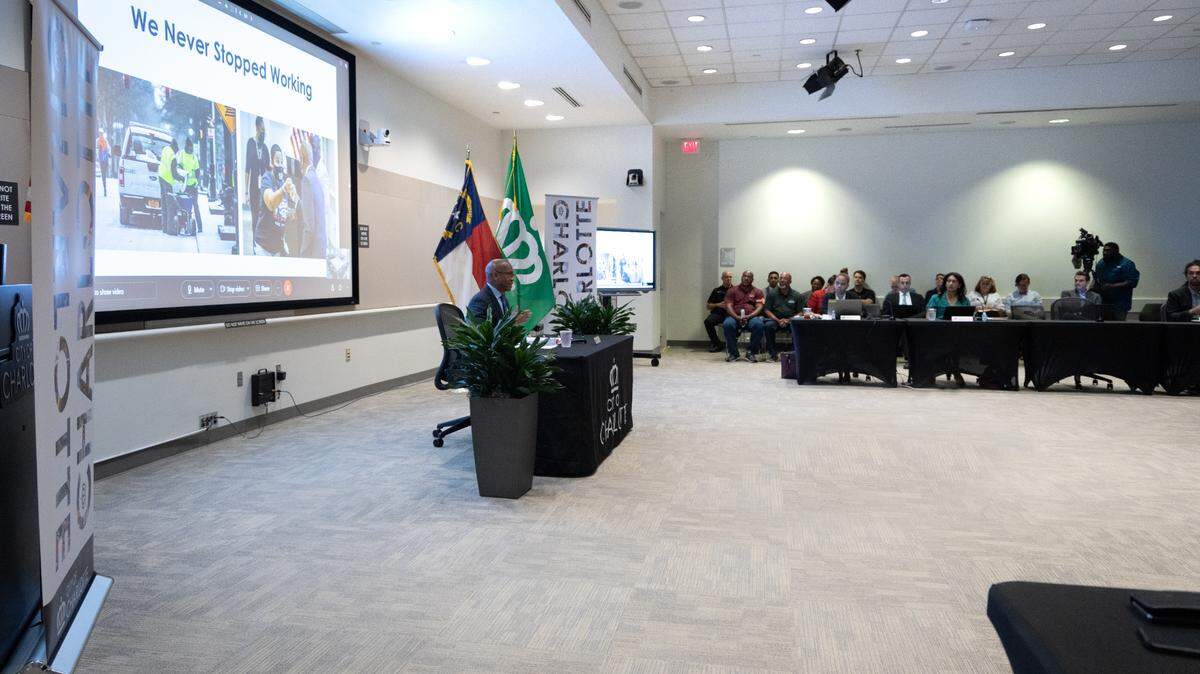
Charlotte’s proposed $3.2 billion budget for fiscal year 2023 includes pay raises and bonuses for city employees as well as a starting pay increase for people employed by the police and fire departments.
City Manager Marcus Jones told reporters Monday the city has taken employee feedback into account, with salary hikes for some employees at 8% over the next year. The money is meant to help recruit and retain people as companies and municipalities across the country have struggled to find labor. City workers also have protested over their compensation.
“We’ve been listening to the employees and we feel … this is something that is mutually accepted,” Jones said.
Among the pay increases, the city hopes to increase the minimum wage for all full-time workers, from about $18.30 an hour to $20 an hour, starting in January. The City Council and mayor also would receive a pay raise of 4%, which matches what’s proposed for salaried employees.
The budget requires City Council approval. The vote is scheduled May 31, and the 2022-2023 fiscal year starts July 1.
Jones said the proposed budget includes no increase in health care premiums for city workers. There are also no tax increases, layoffs, furloughs or reductions in core services.
“This is not the end-all-be-all, but this is a big step for the city to take while not having a single property tax increase,” Councilwoman Dimple Ajmera said of the city worker minimum wage increase.
The city would also set aside $2 million for employees who can’t live in the city because they can’t afford a deposit or down payment on a home.
Councilman Malcolm Graham said one employee who spoke to the City Council in March couldn’t make ends meet with his city salary, and the employee has been on the councilman’s mind ever since.
The proposed raises and bonuses are “a step in the right direction,” Graham said, but he added that he’ll ask “probing questions” during the vote to see if more is needed.
Councilman Braxton Winston said he’s preliminarily supportive of the proposed budget and that he pushed for a raise for people who work late shifts, which was included in the city manager’s proposal.
“I’ll dig into the budget,” he said. “We know that we have a lot more work to do to make Charlotte a livable city for all of our workers, but particularly our city workers.”
Breakdown of Charlotte raises, bonuses
The bonuses and pay raises for employees across the city include:
▪ 8% raise for all hourly employees. This would go into effect in two stages, with a 4% increase in July and a 4% increase in January.
▪ 2% of salary bonus for all hourly, salaried and public safety workers. There’s a $1,000 bonus minimum for all those groups.
▪ An additional 2.5% salary increase for any worker whose labor requires a commercial’s driver’s license, and a 2.5% increase for people working second and third shifts.
▪ 4% merit pool raise for all salaried employees who don’t work in public safety.
▪ 3% increase for all public safety employees.
▪ 10.5% increase to the starting pay for all police and fire department employees — 9% by July and 10.5% by January.
What else is in the budget?
With $3.2 billion to account for, there’s a lot more in the proposed budget.
It includes a 5.5% bump in the police budget to account for increases in compensation, health care and retirement.
There are fee increases for services such as solid waste and water. The increase for water would be 3.54%, or about $2.49 a month for the average home owner. The storm water service fee would increase 3.8% on average, about 34 cents a month. Curbside pickup would go up 92 cents a month.
The street parking rate for uptown and South End would also jump from $1 an hour to $1.50, and the city would start charging people to park on Saturdays. Jones said the city hasn’t changed rates since the late ‘90s and would expect to generate an additional $700,000 a year from the fee increase.
Jones said revenue from the parking fee increase should help deal with cuts the city has seen for street improvement projects.
In all, the budget includes about $100 million for affordable housing efforts, Jones said.
This story was originally published May 2, 2022 at 6:47 PM.
.jpg)