Have student loans that don’t qualify for forgiveness? Here are your options
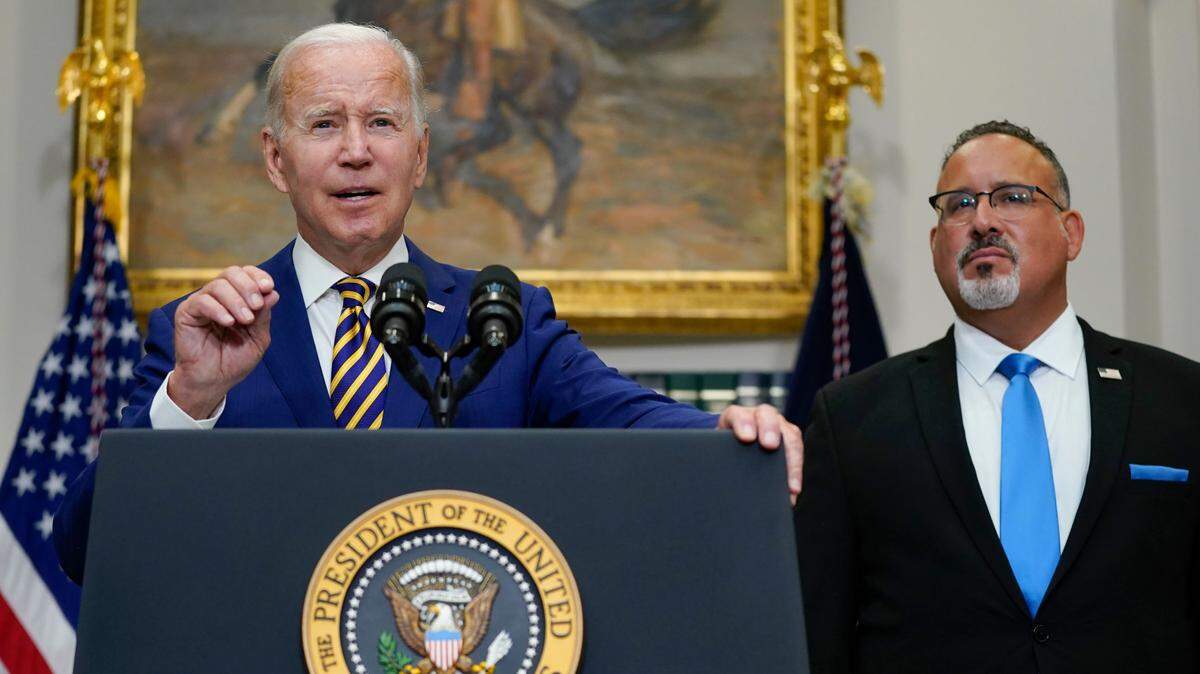
President Joe Biden’s plan to forgive a portion of student loan debt will benefit many borrowers in North Carolina.
More than 1.3 million people who live in North Carolina have student loan debt, and the average amount each borrower owes – $37,721 – is significantly higher than in many states, according to EducationData.org, an online resource for statistics about the U.S. education system.
But Biden’s plan only applies to borrowers with federal loans, according to The White House, meaning those with private loans are not eligible for forgiveness.
RELATED: How many in Charlotte will qualify for student loan forgiveness? One NC expert weighs in
How much student debt do private loan borrowers have?
While the majority of all student loan debt is federal, 7.3% of it belongs to private loan borrowers – and recent data from EducationData.org show that private loan borrowers are struggling to repay their debt.
In early 2020, during the early stages of the COVID-19 pandemic, 75.3% of private student loans were in repayment, while 20% were in deferment, according to EducationData.org. Many private lenders offered payment suspension periods of up to three months, but few deferred interest.
Private student loan borrowers have submitted thousands of complaints to lenders since 2015, according to Education Data. Some of the most common complaints involved frequently misapplied loan payments, lost documents and unreasonable payment processing delays.
What to do if you don’t qualify for student loan forgiveness
Private student loans are not eligible to be forgiven by the federal government, CBS News reported.
To reduce their debt, borrowers with private loans can refinance their loans, or apply for a new loan to pay off current loans to lower their interest rates, according to Bankrate.com, an online resource for financial advice.
Institutions like Credible, SoFi and Earnest have their own requirements to refinance, according to Bankrate.com, but most lenders expect borrowers to have a credit score of at least 650, a minimum annual income of $25,000, and at least $5,000 left on their loans.
According to Bankrate.com, people who should consider refinancing their private student loans include:
Borrowers who want to consolidate multiple loans into one.
Borrowers with large monthly payments who qualify for a longer repayment period.
Borrowers who want to remove a cosigner from an existing loan.
Borrowers who have a higher income or better credit score than when they took out their original loan.
Federal student loan borrowers can also refinance their loans, but those who do will lose benefits the government offers, such as income-driven repayment plans and Public Service Loan Forgiveness, Bankrate, said.
RELATED: The Biden student loan forgiveness plan is here. How NC borrowers can get debt relief
Charlotte Observer reporter Evan Santiago contributed to this story.
This story was originally published August 25, 2022 at 4:04 PM with the headline "Have student loans that don’t qualify for forgiveness? Here are your options."