
Weight-loss drug cutoff leaves NC worker feeling ‘overshadowed by the almighty dollar’
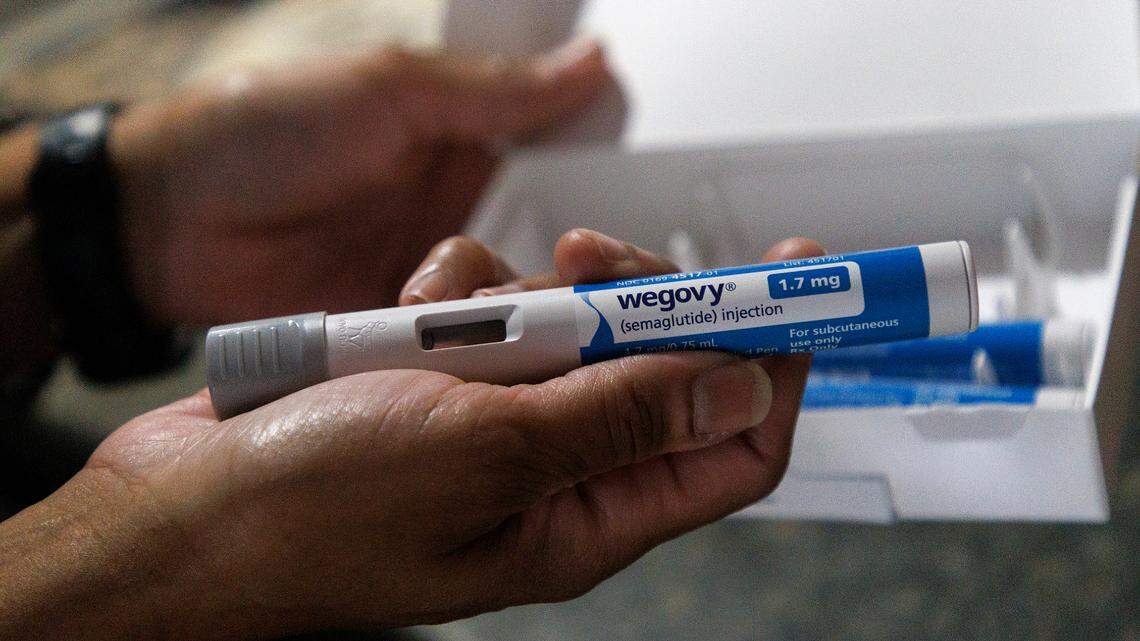
Tralene Williams, a 46-year-old state employee living in Knightdale, injected herself in her stomach with a Wegovy pen on Wednesday morning.
With this pain-free procedure — taking less than a minute and using medicine she stores in her fridge — Williams keeps her weight down. To her, these are “wonder drugs.”
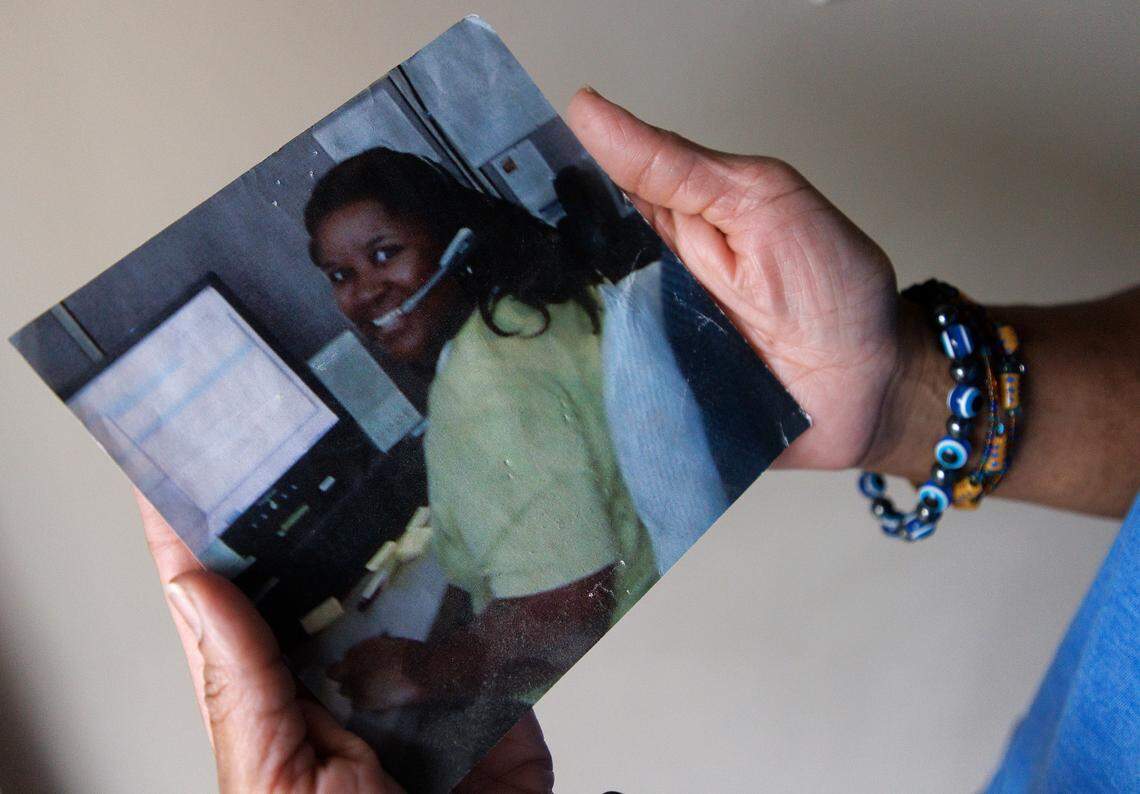
She has struggled with the problem since childhood, she said. But those struggles got worse when she moved out of her parents’ home and started living alone — which meant eating more with no restrictions.
“Everything went out the window,” she said. “It was just free range.”
By 2009, at 5-foot-2, she weighed 255 pounds, leading her to undergo two different weight-loss surgeries over the following decade.
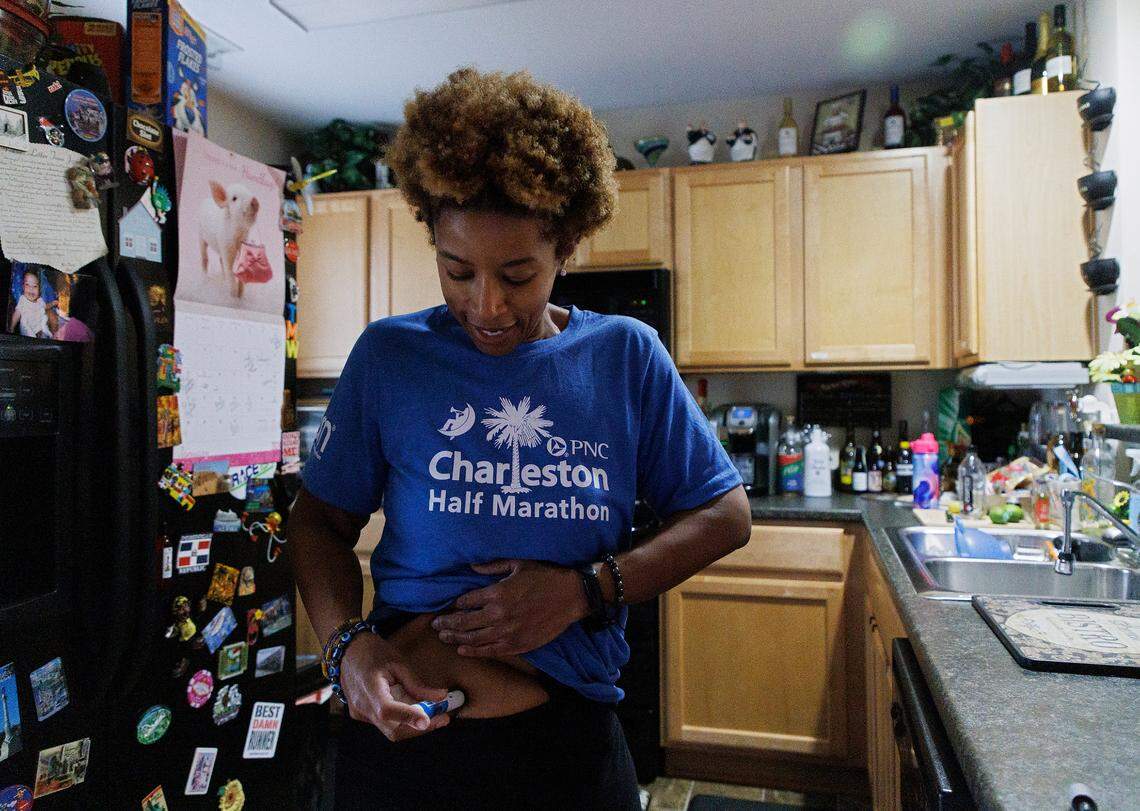
But results were always short-lived, and in 2020, after her weight started creeping up once more, her nutritionist put her on the popular obesity GLP-1 medications, which help regulate appetite and food intake.
She started out on Saxenda. After its approval by the federal government for use in 2021, she switched to Wegovy, which has been shown by research to be more effective than its predecessor. Saxenda also requires injections more often, typically once per day
She started losing weight, and fast, she said. “My body just accepted it. I was eating right, I was exercising the same, but this time I’m seeing results,” Williams said.
The decision by leaders of the North Carolina State Health Plan on Thursday to cut coverage, beginning April 1, of all obesity GLP-1 medications, will cause Williams and thousands of other state employees on the plan to lose access. Many may see their weight go up, as long-term use of these drugs is recommended.
“I just don’t want to go back to that stage in my life,” Williams said.
Are weight loss drugs like Wegovy too costly for NC?
These injectable weight-loss drugs, manufactured by the Danish company Novo Nordisk, have gained tremendous popularity across the world but in particular in the United States, where approximately 70% of American adults are obese or overweight.
And while these drugs have exploded in popularity, they come at a hefty price tag for Americans, with a $1,350 monthly list price.
They’re also expensive for the State Health Plan, with Wegovy and Saxenda prescriptions representing a projected $102 million, or 10% of its roughly $1 billion in net pharmacy spending last year, according to Sam Watts, the NCSHP director.
The health plan in 2023 received a 40% rebate, or discount, from Novo Nordisk. But this ended after the state imposed a moratorium on new prescriptions for Wegovy at the beginning of this year, which put the state out of compliance with its contract negotiated by CVS Caremark, the plan’s pharmacy benefit manager.
This moratorium followed various proposals by the NCSHP on how to cut costs. These “unsustainable” costs ultimately lead the state to cut coverage, as previously reported by The News & Observer.
Obesity specialists have urged the state to keep the medications covered. They’ve cited obesity-related conditions, which include heart disease, stroke, type 2 diabetes and certain types of cancer, which are among the leading causes of preventable, premature death, according to the Centers for Disease Control and Prevention.
Meanwhile, Novo Nordisk — which has reported soaring profit, boosted by its weight-loss drugs — has argued that the upfront cost of the drugs pay off in the long run considering these costly chronic conditions.
An independent analysis from the Institute for Clinical and Economic Review, a nonprofit that reviews U.S. prescription drug pricing, found Wegovy is not cost-effective at its current price, as previously reported by The N&O.
No way to pay for the medicine
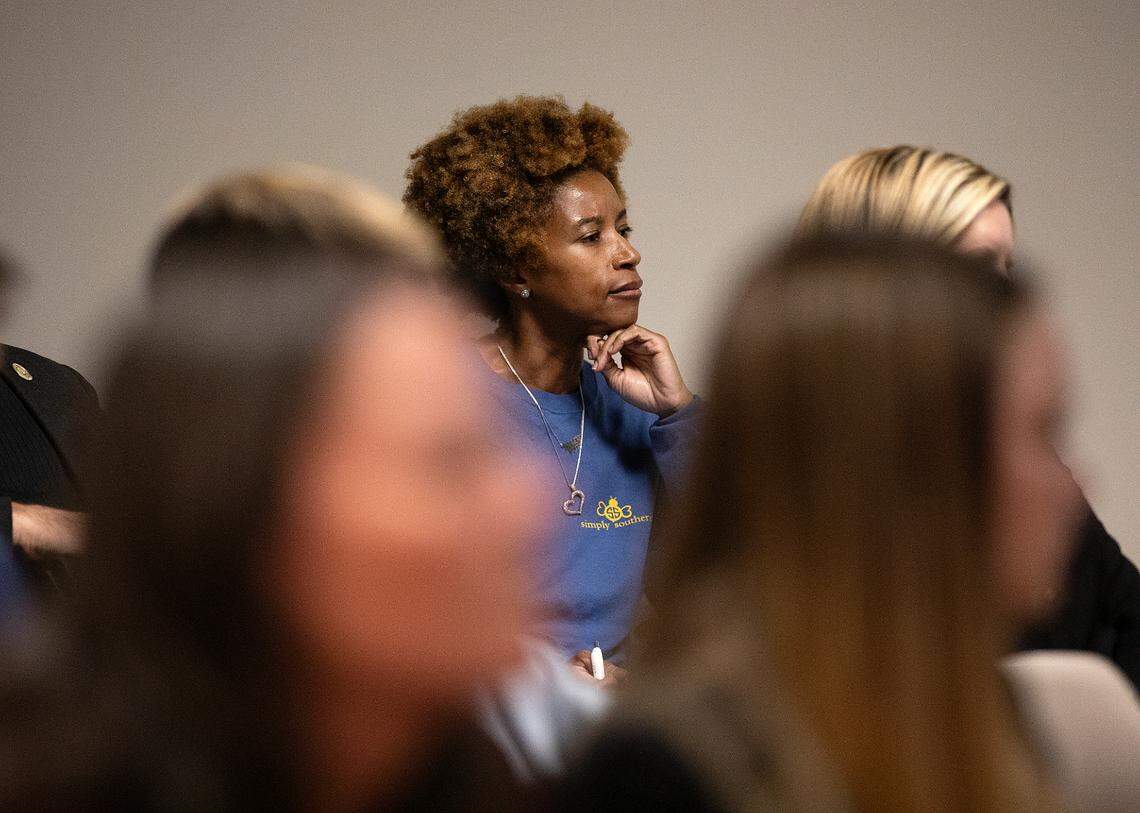
Williams hopes all the parties involved in negotiations will think of the “little people.”
When coverage by the plan ends, she said on her state employee salary she won’t be able to pay for the medicine, “point blank, period.”
Williams, a state employee of 18 years who earns just over $60,000 in her current role as a technology support analyst with the state’s health and human services department, is in the same boat as many others. The average state employee salary in North Carolina is $43,785. The state is facing historic vacancies in state agencies as it struggles to compete with the private industry.
Without the medication, Williams fears she will gain back all the weight she lost. She worries about facing high blood pressure, which she’s previously struggled with, knee and foot pain, and other problems.
“Obesity is a chronic disease. People think you just need to scale back, push back from the dinner table, but it’s a lot more than that. It goes in mentally,” said Williams, who has a psychiatrist and nutritionist.
“It’s just not ‘Oh, I want to lose 15 pounds to get in to this dress.’ This is life. And I know that I won’t be able to take this forever, but for the time being, I need for it to be available and affordable to me.”
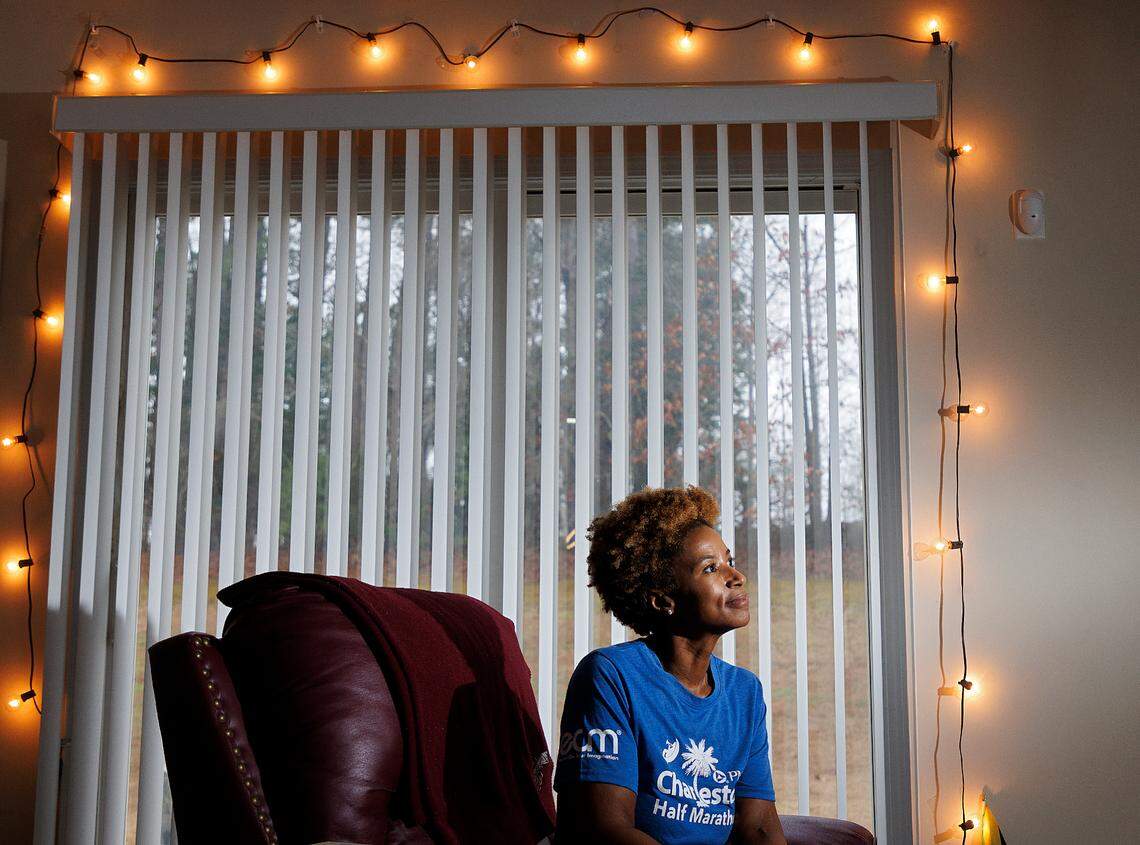
Williams said she would not undergo another surgery and hoped others would be able to get these medications and not have to, either.
As an avid runner who finished a half marathon in January, she also fears that the added weight may make it harder to keep up with her workouts.
She said she is praying for a resolution but feels “hopeless.”
“I feel like our voices are being overshadowed by the almighty dollar,” she said.
What’s next?
A spokesman for CVS Caremark said after Thursday’s vote that the company’s “sole priority” is to negotiate the lowest net cost for weight-loss drugs that are being used by thousands of state employees.
In a statement, spokesman Phillip Blando said Novo Nordisk, Eli Lilly and other manufacturers “need to stop dragging their feet and agree to offer their medicines at a fair price to North Carolina’s public servants,” as previously reported by The N&0.
And Deputy Treasurer Frank Lester said Tuesday that State Health Plan officials “remain hopeful that the manufacturers will decide to put patients over profits, but as of yet we have not heard from them.”
Meanwhile, Novo Nordisk spokesperson Nicole Ferreira said Tuesday that: “Denying patients insurance coverage for important and effective FDA approved treatments for obesity is irresponsible.”
She said that at Novo Nordisk they supported access “to appropriate treatments for chronic diseases — as determined by the patient and their doctor” and did not support “insurers or bureaucrats inserting their judgment in these medically driven decisions,” to the detriment of patients.
She said that the company would continue to “engage with NCSHP officials to address any potential cost concerns.”
This story was originally published February 1, 2024 at 7:55 AM with the headline "Weight-loss drug cutoff leaves NC worker feeling ‘overshadowed by the almighty dollar’."
