‘Unhealthy conditions.’ Charlotte must make 2 changes to protect tenants, advocates say
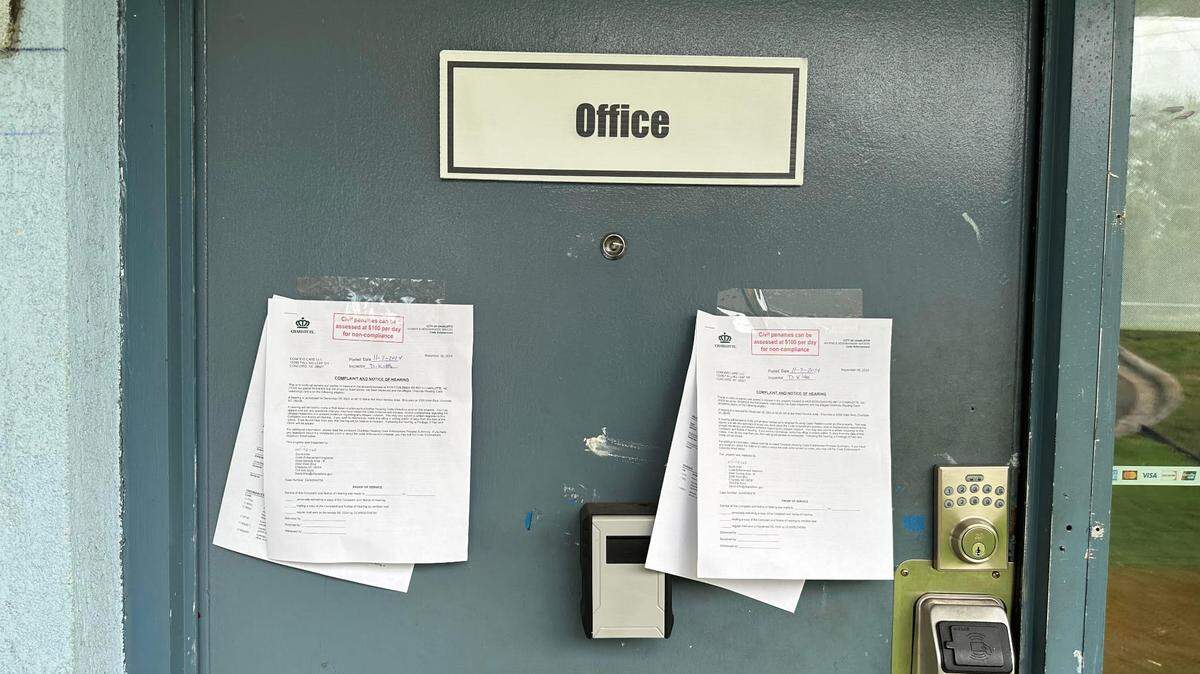
Charlotte housing advocates are calling for the city to create stricter code enforcement policies after unhealthy conditions and evictions at three Charlotte housing complexes.
A collection of tenants and community members spoke during public comment at a Charlotte City Council meeting Monday, urging the city to interfere when landlords fail to obey housing codes and leave residents suffering amid concerns about unsanitary conditions and code violations at local apartments such as Lamplighter Inn, Tanglewood Apartments and Lake Arbor Apartments.
The city has over 900 open code violation inspection reports that haven’t been addressed, said Mike O’Sullivan, the Affordable Housing Committee chair from OneMECK. In some places, residents became homeless over unsafe conditions and surprise evictions.
“You might guess going through all that data might be boring, but I think you’ve heard from people tonight, it tells a tale of real human suffering,” Sullivan said at the council meeting. “It shows that many families are living in deteriorated buildings, they’re subject to unsafe and unhealthy conditions, dangerous wiring, leaking plumbing, rotting wood, mold, the works.”
The city appeared to be receptive to examining the situation and looking into how code enforcement could be strengthened to better address the needs of residents. One proposal involves taking advantage of something already allowed in city code. Another could involved lawsuits against landlords.
Charlotte housing violations
Of the more than 900 open code violation reports, 360 have been open for more than six months, and 12 parcels of land in the city have 11 or more open housing code violation reports, according to a news release by OneMeck and ActionNC.
Numerous residents of Tanglewood Apartments at Dalecrest Drive spoke about deteriorating living conditions at the complex and unfair evictions.
Carolyn Tony, a 73-year-old former city employee, said she is disappointed Charlotte allowed the conditions at Tangelwood Apartments to persist despite code violations.
“I’ve never lived like this in my life, and to serve the city of Charlotte, I don’t want to ever see nobody live like I had to live,” she said. “I want y’all to do something. Do something, really. Don’t you let another person live like the Lamplight or Tanglewood.”
Dozens of families living at Tanglewood Apartments received eviction notices at the end of October, WSOC-TV first reported. Residents were given until Nov. 29 to move out with no explanation provided.
This month, more than 60 people have moved out of Lamplighter Inn, a rundown hotel that had been home to many on the verge of homelessness. The Charlotte Observer previously reported many tenants already moved into other hotels with the help of the city. Initially pitched as a spot where a nonprofit would provide supportive housing, the Lamplighter Inn was instead the neglected site of numerous code violations and unsafe conditions such as cockroaches, leaking ceilings and poor plumbing.
Shadavious Billings, the great-great-niece of Sam Billings, the first recorded Black landowner in Mecklenburg County, said she has been unfairly evicted five times — most recently from Tanglewood Apartments, which is under new ownership.
“Isn’t it ironic that even after such a contribution was made (by my ancestor,) I still face such a horrific and unfair situation of displacement,” Billings said. “I stand here today pleading with the city leaders to implement stricter regulations that could hold landlords accountable for their actions and (ensure) that they provide habitable living conditions for all tenants.”
Changes for Charlotte landlords
The city has the power to enforce code and doesn’t need to pass any further legislation to address the issues, said Ted Fillette, a retired attorney who once worked with Legal Aid of NC providing assistance to low-income tenants.
Charlotte’s housing code allows for “in rem repair remedy,” which involves the city contracting workers to make non-emergency repairs that persist more than 30 days and then send the bill to the landowner. Should the owner refuse payment, Fillette said, the city can place a lien on the property.
A news release from OneMECK and ActionNC also suggests the council direct the city attorney to sue landowners in order to address emergency repairs. Code inspectors typically give owners 48 hours to repair potentially dangerous issues such as broken heating systems and poor plumbing, the release states.
Charlotte Mayor Vi Lyles at the end of public comment thanked community members for speaking and said she and the council will examine the information presented to them to take action in the future.
“There are too many of you out here that care deeply about this community for us to not do the things that we have the power to do,” Lyles said. “What we have heard and seen today all needs to be examined, and I expect that it will…. Give us some time. It’s not tomorrow, I know that, but I do know that this has worked before and it can work again.”