
What to watch as the NC General Assembly starts 2025 legislative session
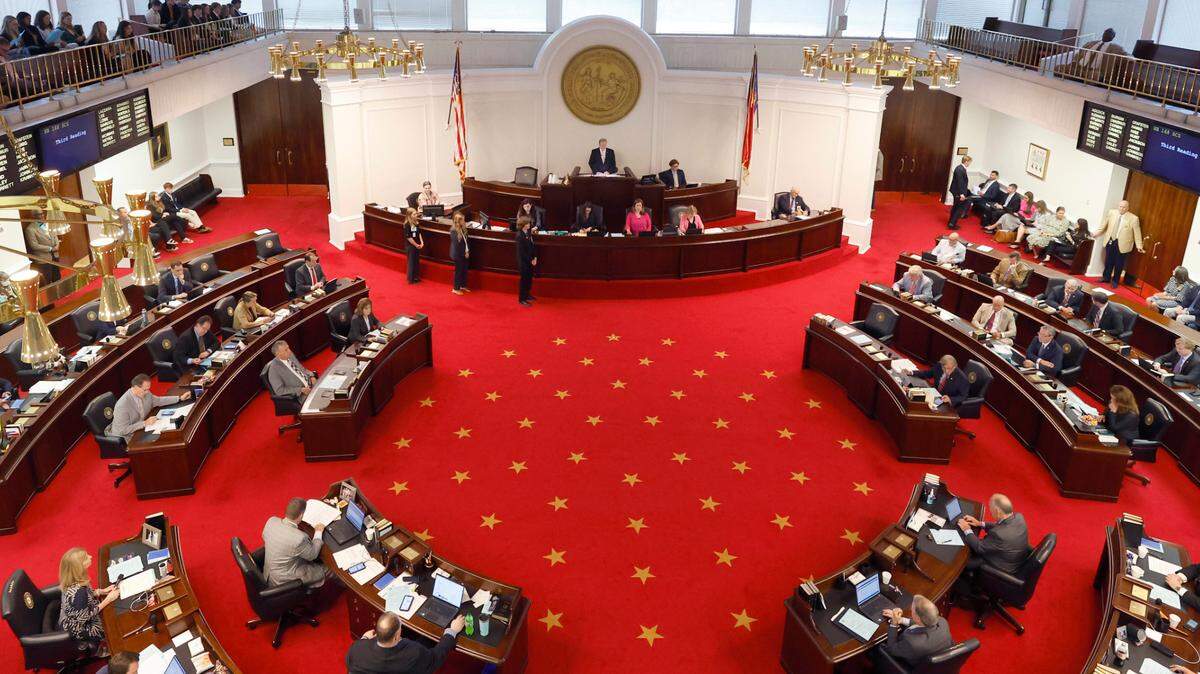
The new year ushers in a new North Carolina legislative session and a new governor.
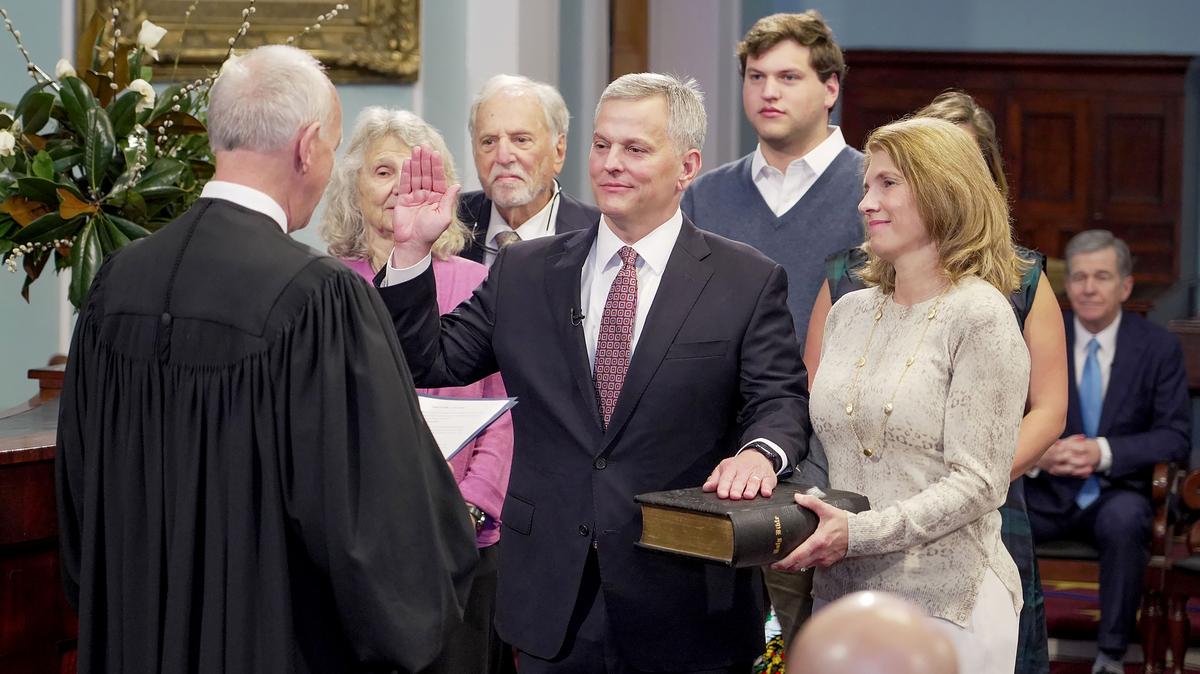
Democratic Gov. Josh Stein was sworn in on Jan. 1, and will have his public inauguration on Jan. 11. In between, the General Assembly’s long legislative session begins on Jan. 8.
In odd years, the bulk of the legislature’s work is done: lawmakers are expected to pass a two-year budget by summer. On Wednesday, the first day of session is mostly ceremonial, with all 170 lawmakers being sworn in as the House and Senate sessions start at noon. They are joined by their families for the occasion, and the chambers may also pass rules to govern themselves. Then a few weeks later, the real work begins.
Here’s what to watch for as the legislative session starts:
Leadership changes
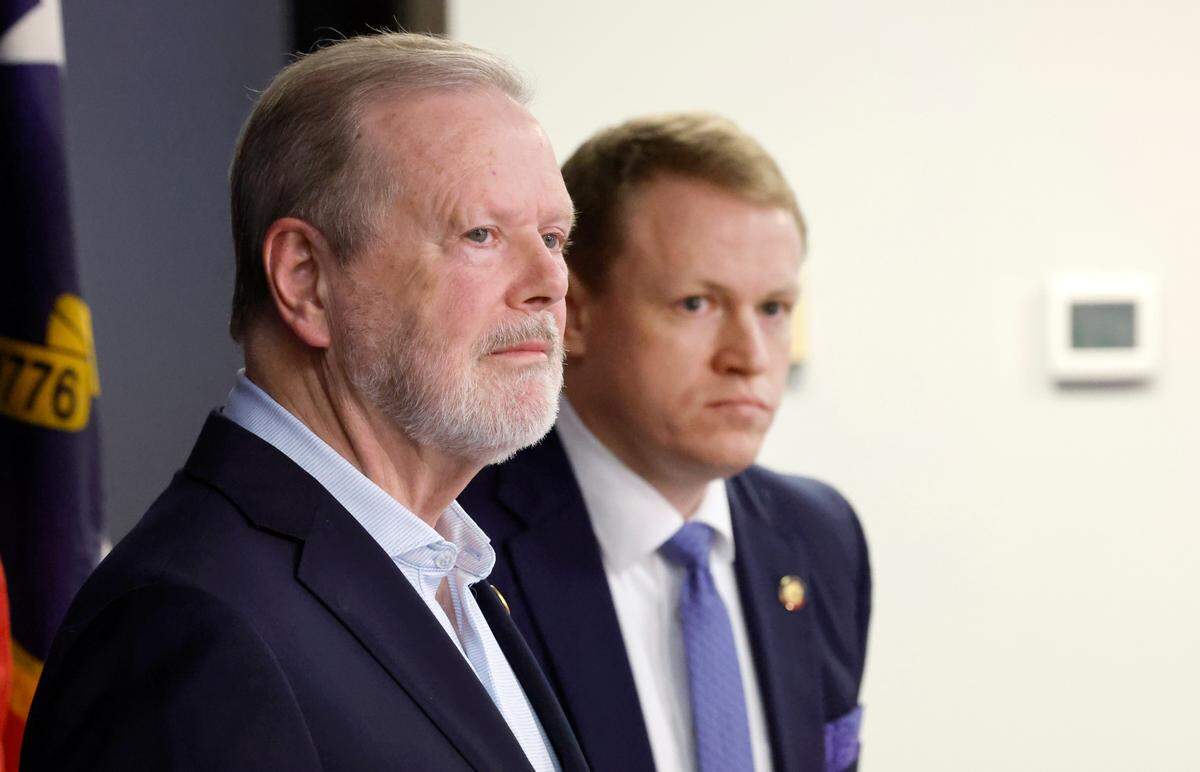
Of the three most powerful elected officials in the state — the governor, the Senate leader and the House speaker — two are new. Aside from Stein, the next speaker, once a formal vote is taken, will be Rep. Destin Hall, a Caldwell County Republican who has been the House Rules Committee chair. Senate President Pro Tempore Phil Berger continues his leadership role, also after a formal vote at the session’s start.
While Berger and Stein, the former two-term attorney general and former senator, have known each other for years, Hall and Stein do not. So we’ll be watching that dynamic. As well, Berger had spent the past decade of inter-chamber negotiations with former House Speaker Tim Moore, who is now in Congress. Berger and Hall, who held their first joint press conference days after the November election, will be the public face of the state’s Republicans.
Another change is a new lieutenant governor, who has few duties — but the most visible one is to preside over Senate sessions. Democratic Lt. Gov. Rachel Hunt, who was previously a state senator, will preside over a chamber that has a Republican supermajority. She’ll cast a vote only in the case of a tie.

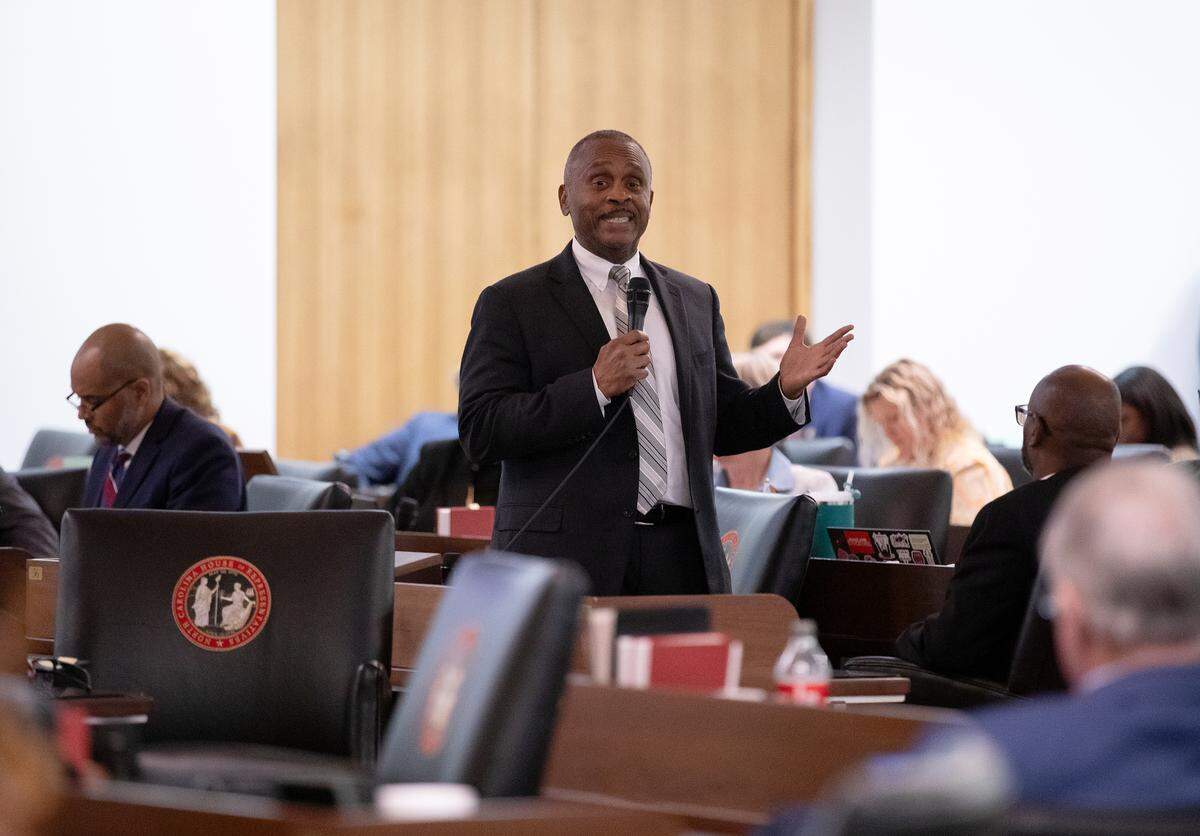
The minority leaders are House Democratic Leader Robert Reives of Chatham County, who keeps his leadership role, and the new Senate Democratic Leader Sydney Batch, who was chosen by other Democrats to replace their longstanding former leader, Sen. Dan Blue. Both Batch and Blue represent Wake County.
Helene recovery, raises and the budget process
Stein’s first executive orders as governor address Hurricane Helene relief for Western North Carolina. Helene recovery and the state budget process will be the dominant topics of this legislative session. Congress allocated federal funds to North Carolina in December, but the state is expected to do more as recovery costs will stack up for years to come.
The state’s Rainy Day Fund, also called the Savings Reserve Fund, has been somewhat drained by Helene, so lawmakers are likely to replenish what was spent and perhaps more. Sen. Ralph Hise, a Spruce Pine Republican and a head budget writer whose district was impacted by the storm, said in December that lawmakers will need to “maximize every dollar that we can put into this. We’re going to have to come out of this knowing that a Rainy Day Fund sufficient for North Carolina is going to have to be in excess of $10 billion.”

Putting more money in the Savings Reserve Fund means that there could be less to spend on recurring needs or requests, like raises for state employees and teachers. How much of a raise to give educators, whose base pay is set by the General Assembly, as well as tens of thousands of state employees, is a frequent tension point during budget debates. Retired state employees also seek a cost of living adjustment in each budget.
Lawmakers will also have to balance those spending plans with the recurring costs of funding private school vouchers, called the Opportunity Scholarship Program, as well as capital improvements and infrastructure needs.
Budget committees will start to meet in late winter, with a compromise budget expected to pass before the fiscal year ends June 30. However, with history as our guide, even when one party controls the legislature, budget negotiations often extend well into the summer, or even longer.

Divisions among Democrats and Republicans, within their caucuses
Lawmakers last met in December when they shifted power away from incoming Democratic elected officials, including Stein, who will lose control of election board appointments unless a court intervenes. Stein and his predecessor, Gov. Roy Cooper, have challenged the measure.
There are divides to watch within both parties. For the House Republican caucus, it was the Western North Carolina Republicans who took issue with that powers bill, Senate Bill 382, being called a disaster relief bill but not having much disaster relief in it. In the end, those three House members from the mountains voted to override Cooper’s veto, sticking with their caucus. With Hall their new leader, he doesn’t have the same level of experience in consensus-building as Moore did.
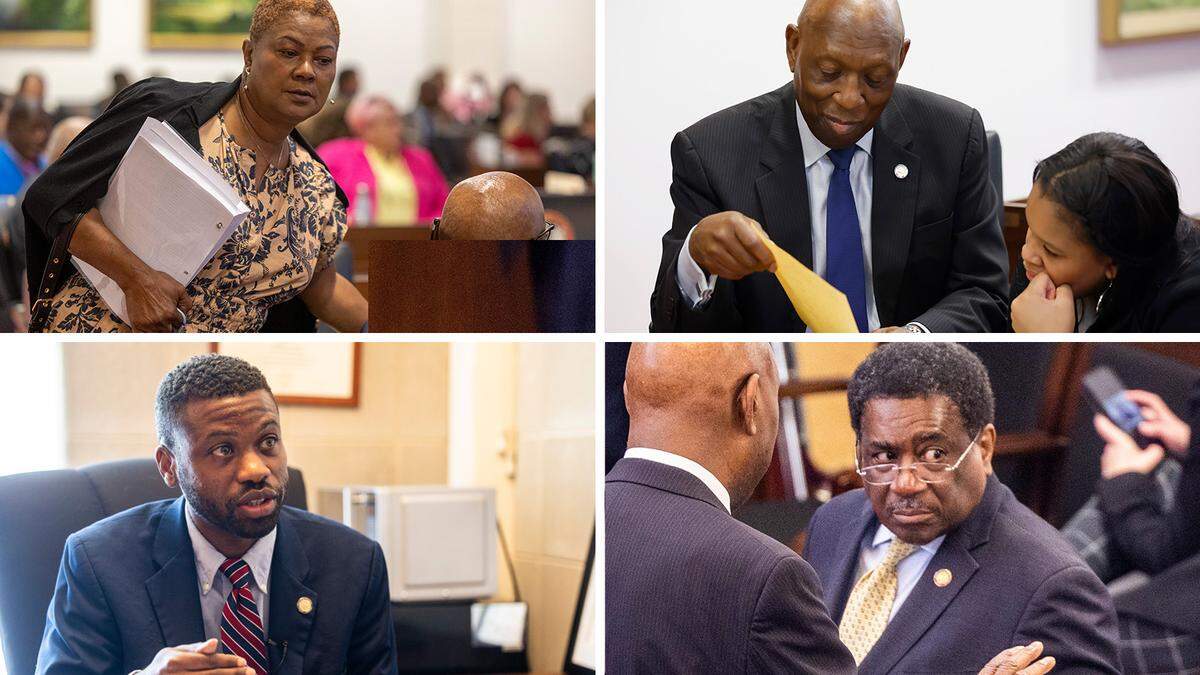
Watch also for division among House Democrats, including those who have voted previously with Republicans on some issues, including Reps. Cecil Brockman, Carla Cunningham, Garland Pierce and Shelly Willingham.
The 2023 session began like this one will, with Republicans being just one vote short of a total supermajority. They gained total control after Rep. Tricia Cotham changed parties from Democrat to Republican.
In December, Brockman — who had previously told The N&O he didn’t plan to switch parties — said his fellow Democrats were treating him the same way they did Cotham before she switched.
Senate confirmations of Stein Cabinet appointees
More legislative action to watch is the confirmation of Stein’s Cabinet secretaries.
Republican legislators passed a law after Cooper won his first term in 2016 that requires a governor’s Cabinet appointees to be confirmed by the Senate, a law upheld by the courts two years later.
In 2021, senators rejected one of Cooper’s Cabinet picks for the first time when they voted against the appointment of the N.C. Department of Environmental Quality secretary.
Some of Stein’s appointees to Cabinet-level agencies are moving from other agencies, like his pick for DEQ secretary, Reid Wilson, who served previously as secretary of the N.C. Department of Natural and Cultural Resources. The new secretary of DNCR is also a shift; Pamela Brewington Cashwell served as secretary of the Department of Administration under Cooper.
When the real session starts and leftover issues
The next date to mark on your calendar is Jan. 29, when the real work of the General Assembly begins, including committee meetings.
Two major issues left on the table after the previous session that divided the Republican-led chambers are medical marijuana and casinos. House Republicans prevented Senate Republicans from passing a bill to legalize medical marijuana, a major priority of Senate Rules Chair Bill Rabon, who is back for another term. Another Senate Republican priority was expanding the number of casinos in the state, also held up by House Republicans.
This story was originally published January 6, 2025 at 12:13 PM with the headline "What to watch as the NC General Assembly starts 2025 legislative session."
.jpg)