
Former US Rep. Madison Cawthorn broke campaign finance law, FEC says. How much he owes
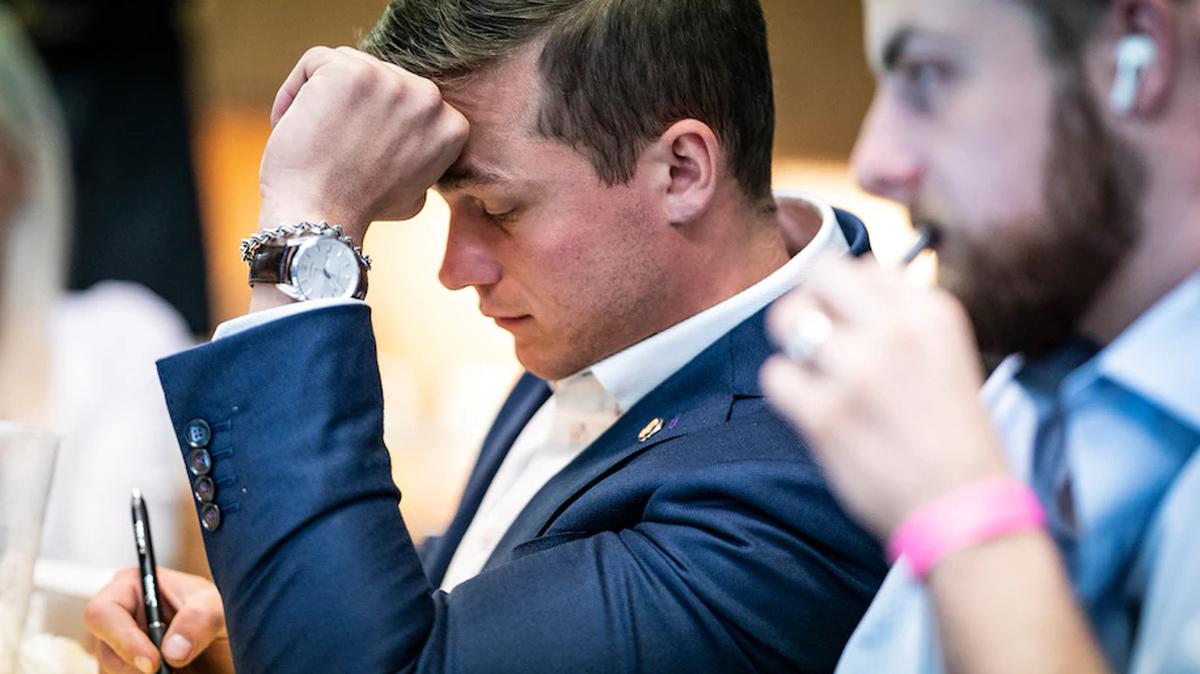
Former Rep. Madison Cawthorn owes a nearly $18,000 penalty to the Federal Election Commission and is facing potential seizure of the money or referral to the Department of Justice if he doesn’t act.
For more than six months, the FEC has been trying to collect the money from Cawthorn to no avail.
McClatchy reached out to Cawthorn on Monday through his previous spokesman, but did not receive an immediate reply from the former congressman.
Cawthorn, 29, served one term in Congress beginning in 2021, and is one of the youngest members ever elected. But his time in office is remembered for a series of scandals that plagued him, from allegations of sexual misconduct, to bringing weapons to airports and school grounds, to calling Ukrainian President Volodomyr Zelenskyy “a thug,” to accusing his colleagues of having orgies and snorting cocaine. He lost a Republican primary election despite support from President Donald Trump, and later moved to Florida.
His run-in with regulators began in July 2022, when his campaign committee, Making a Difference in Service to Our Nation, or the MADISON PAC, failed to file a quarterly report by its due date, a violation of campaign finance laws.
Cawthorn, listing himself as the campaign’s treasurer, would file it 30 days later, and by doing so would put himself on the hook for the money.
On July 17, 2024, the Federal Election Commission notified Cawthorn that a week earlier, the commission had taken a unanimous vote to issue a $17,458 civil penalty against Cawthorn for being late.
He was given 40 days to pay, but could appeal the decision if he could prove a factual error or miscalculation of the fine, or could demonstrate an unforeseen circumstance prevented him from filing the report on time.
Cawthorn neither paid nor filed an appeal.
On Feb. 4, 2025, Cawthorn received a final notice.
If he does not pay or appeal to the U.S. District Court within 30 days, the case will be turned over to the U.S. Treasury. At that point, the treasury adds a 30% fee to the fine.
If the treasury still does not receive the money from Cawthorn, it will be turned over to a private debt collector.
If the debt collector is unsuccessful, the treasury could refer the case to the Department of Justice.
The treasury is entitled to collect Cawthorn’s wages or tax refunds and report the debt to the IRS as possible taxable income.
Cawthorn’s PAC was cited in December for holding a negative balance. It’s currently showing a balance of -$16,149.
