NC food banks, schools and farmers take a hit after Trump administration slashes funding
The Trump administration has axed two federal programs that provide funding for food banks and schools in North Carolina to buy fresh produce and meat from local farmers and producers.
Nationwide, over $1 billion has been slashed. The decision by the U.S. Department of Agriculture will wipe out around $11.4 million from the state’s share of the Local Food Purchase Assistance Cooperative Agreement Program — and another $19 million from the Local Food for Schools Cooperative Agreement Program, local providers say.
Both programs have been terminated for 2025, according to a USDA notice issued on March 7 to the State Department of Agriculture and Consumer Services — part of President Donald Trump’s wider campaign to reduce federal spending.
“All expenses incurred under these programs no longer effectuates agency priorities,” it said. “Termination of the award is appropriate.”
North Carolina has participated in both programs since 2022. It’s one of 40 states impacted. Cuts are expected to be finalized in early May.
Wake County Public School System officials say they already planned for this.
“The WCPSS School Nutrition Program received $50,000 from the Local Food for Schools program for the current school year, with funding set to expire on March 31,” school officials said in a written statement. “Given the limited allocation and past declines, we had already planned our budget without expecting these funds to continue.”
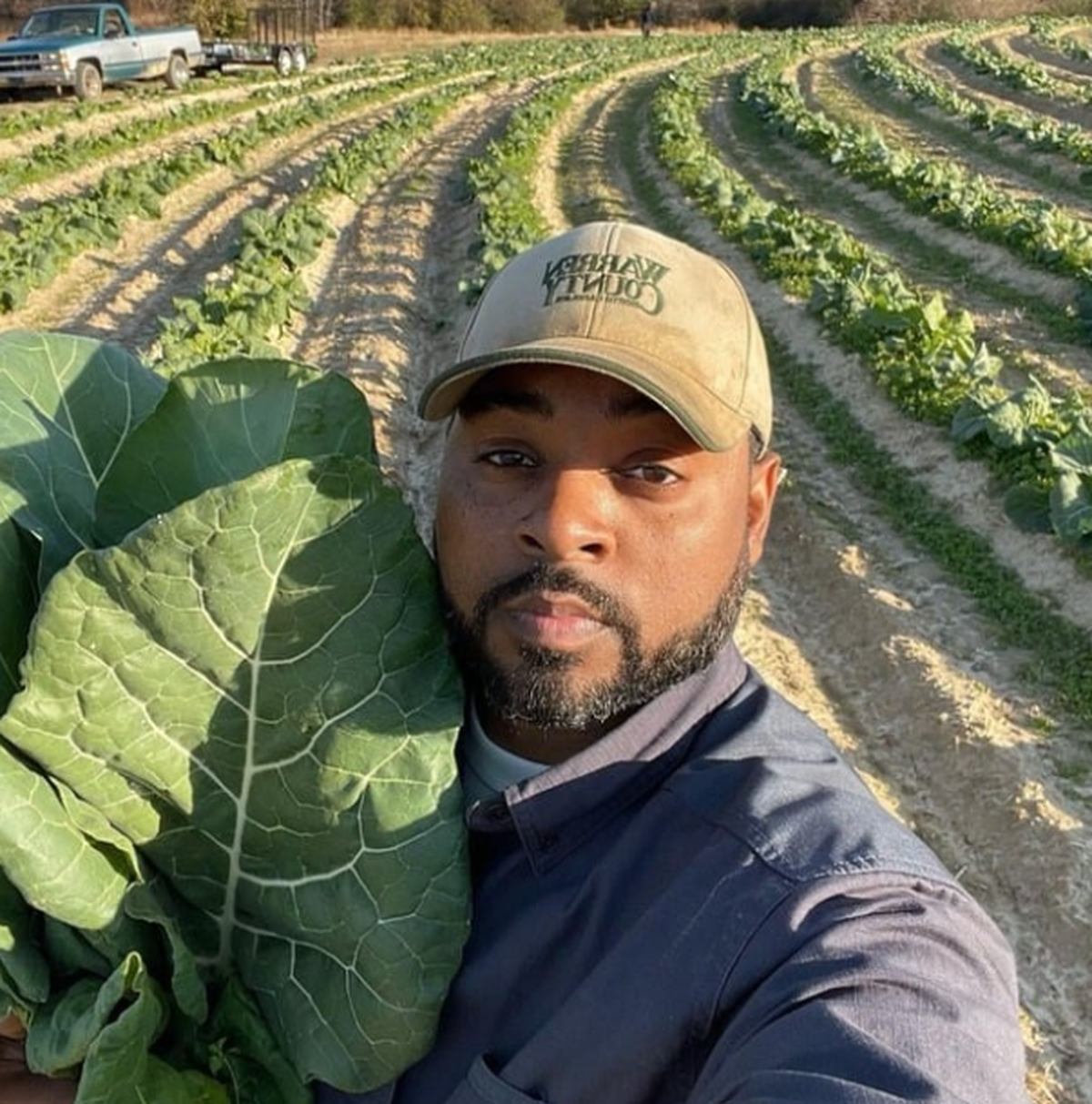
The cuts have left farmers like Patrick Brown baffled.
“I couldn’t believe the program was going to be killed,” the Henderson farmer said of Local Food for Schools.
School superintendents are reaching out to Brown, he said, to see if there’s still a relationship to be had between the schools and the farmers to ensure the students still have access to healthy meals.
Food banks
Others affected by the cuts were also taken aback.
“It’s going to have a huge impact,” said Amy Beros, CEO of the nonprofit Food Bank of Central and Eastern North Carolina. It’s one of seven food banks that receives funding and covers 34 counties, including Wake and Durham.
She estimates the food bank’s portion would have been just over $2 million.
“It’s going to take healthy food away from children and funds away from family farms,” she said.
The food bank currently purchases food from two dozen local growers and producers — covering everything from “fruits and vegetables to fresh beef, pork, and eggs,” Beros said. Of those, two farmers grow exclusively for the bank, she said. “Many have shared with us that this program is what has been keeping their family farm open.”
Amid rising food costs, the nonprofit is now campaigning to fill the funding gap. “Unless we’re able to reinstate the programs or receive funds from additional sources, we won’t be able to maintain the same level of service,” she said.
Farmers affected
Rep. Valerie Foushee, a Democrat from Orange County, called the cuts “heartless.”
“Programs that help farmers sell food to schools are a win-win: kids can have fresh food while farmers maintain demand,” Foushee wrote on social media. “Cutting these programs will place a $660M burden on schools across the country when many are already struggling”.
Brown, the Henderson farmer, was in Washington on Monday trying to advocate for farmers.
Brown told McClatchy he averages anywhere from $100,000 to $150,000 on vegetables alone, but ending the Local Food for Schools program would eliminate at least 50% of his revenue stream this year.
Brown is a fourth-generation farmer at Brown Family Farm and Produce. It’s a small farm on less than 1,000 acres with a diverse portfolio, including specialty crops like vegetables for direct market. Among his crops are green leafy vegetables, zucchini, cauliflower, broccoli, sweet corn, watermelon and cantaloupe.
He said the program has always taken a weight off his shoulders because he knows there’s a guaranteed market for his crops. The program provides grant funding to nongovernmental organizations, or nonprofits, to coordinate with farms like Brown’s to purchase food directly, as long as the farms are in compliance with food safety audits.
Brown’s vegetables had been going to organizations across North Carolina in Raleigh, Durham, Edgecombe County, Winston-Salem and Greensboro, along with many others.
Without the program there are fewer places for the crops to go.
“We try to stay away from farmers markets, just because labor cost is intensive,” Brown said. “We don’t have a person that can sit at a roadside stand and sell vegetables directly that way. We’d rather grow wholesale where we can sell volumes of vegetables at a time.”
Brown said this can be three to five pallets at once.
Without the program he will have to redevelop relationships with food hubs or wholesale buyers with stricter food safety protocols. He said if he gives them six pallets of tomatoes and one has a scratch on it, they’ll reject the entire pallet.
“It’s just a little more difficult to provide wholesale market product ... that’s going directly to a grocery store,” Brown said.
Brown never thought he would see the the program cut, and not just because of the benefit to the farmers, but because of the good it does in the community.
“If you look at some of the challenges students have within today’s school system, one of the leading causes to distractions and not allowing them to pay close attention to the instruction is hunger,” Brown said, “and you kind of took away a guaranteed food source for nutritional values, because if it’s coming from the farm that’s GAP (Good Agricultural Practices) certified, that means we’re not using harmful pesticides or herbicides.
“So this is organic food, or naturally grown food, that probably in some cases is more nutritional than what they would get when you go home, or for some of the kids, that might be their only full-course meal for that day.”
This story was originally published March 18, 2025 at 6:00 AM with the headline "NC food banks, schools and farmers take a hit after Trump administration slashes funding."