These NC lawmakers drink raw milk. But their push to allow it for all comes with risks.
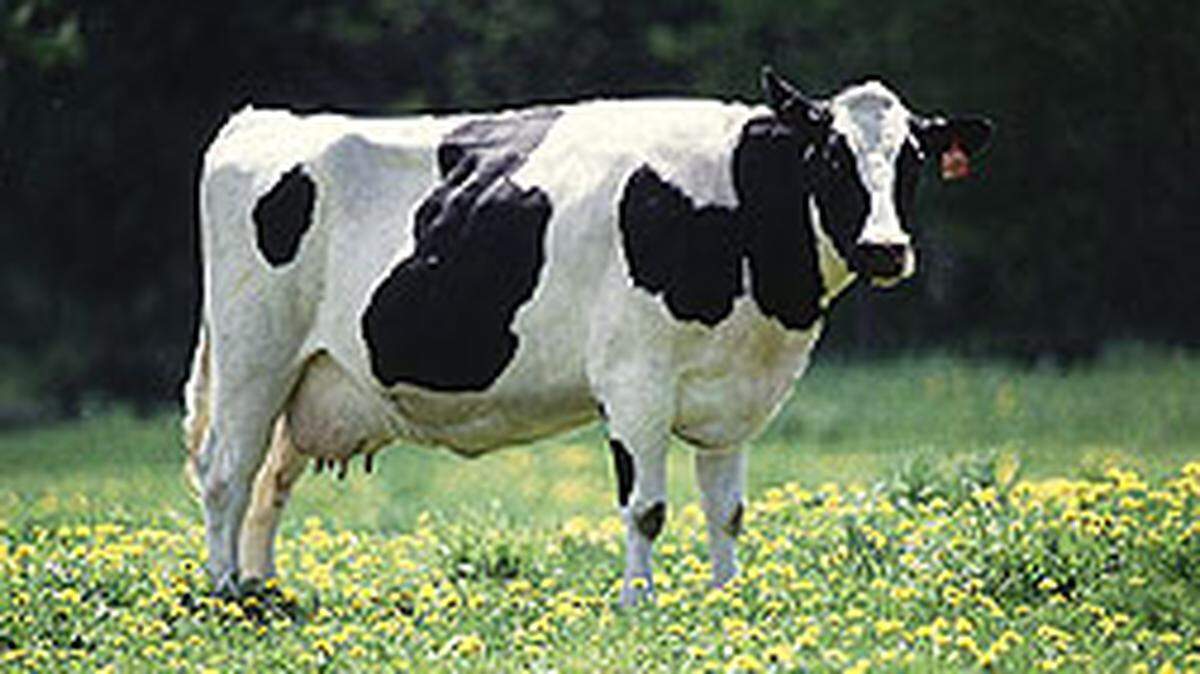
A bipartisan group of North Carolina lawmakers want to legalize raw milk sales to expand access to a product some people already buy and to help boost small dairy farmers.
But some people, including the state’s agriculture secretary, oppose that move on the grounds that raw milk can expose people to potentially dangerous pathogens, including avian flu.
Right now, only pasteurized milk — heated to kill germs like Salmonella and bird flu — can be sold to consumers directly. Yet raw milk sales have grown despite its risks.
Rep. Matthew Winslow, the main sponsor of the legislation known as House Bill 609 or “Option for Raw Milk Consumption,” is well aware of this growing demand.
The Franklin County Republican said he began drinking raw milk about a year ago after a friend referred him to a farm that sold it.
As he learned more about the industry, he realized that some people in the state are already buying raw milk labeled for pet feed or animal use, he said.
“It’s almost like the raw milk underground,” he said.
The bill he and others have sponsored would impose limits on the sales, some of them intended to reduce health risks. HB 609 would allow farmers to sell raw milk and raw milk products like cream, butter and cheese directly to consumers at their farms or at stands within 100 miles — but not in stores or restaurants.
Farmers would need a license and would need to pass regular health and safety inspections. This would include testing raw milk samples every two to six months for pathogens like Salmonella, Listeria, and E. coli.
“What we want to do is create an optional pathway so that if someone wants to sell it to the general public from their farm, it’ll be tested by the state, and you can say with certainty that you have no issues or concerns,” Winslow said.
All raw milk products would need to carry a label stating: “Raw milk: Not pasteurized and may contain organisms injurious to your health.” Products would also need to be displayed separately from pasteurized ones.
Health risks from raw milk
Agriculture Commissioner Steve Troxler, in an email statement Thursday, reiterated his opposition to legalizing raw milk sales in North Carolina.
“It’s never made sense to me to drink unpasteurized milk ... We’ve got pasteurization because we had a problem,” Troxler previously told The News & Observer. “Why would you take the risk of there being salmonella, E coli, Listeria and now high path AI (highly Pathogenic Avian Influenza) in a product? You don’t have to. To me, it doesn’t make common sense,” Troxler said.
Scientific research does show that drinking raw milk carries health risks, with concerns growing over potential exposure to bird flu. The Centers for Disease Control and Prevention says that bird flu, which has been detected in U.S. poultry and dairy cows, currently poses a low risk to people.
But people are getting infected. So far, there have been 70 bird flu cases in people — 41 from cattle exposure — with one death, according to the CDC.
In March 2024, tests showed raw milk from sick cows at Kansas and Texas farms had bird flu. In April 2024, a Texas dairy worker caught a highly pathogenic strain of bird flu, called A(H5N1), from cows thought to be infected. This was the first human case of this strain in Texas and the second recorded in the United States., per the CDC.
Pasteurization kills the bird flu virus, according to research, including from the Food and Drug Administration. Studies also show pasteurization minimally affects milk’s nutritional quality.
Raw milk is riskier for kids, older adults, pregnant women and people with weak immune systems, like transplant patients.
NC State assistant professor and food safety specialist Lynette Johnston sees reason for caution.
“Not all raw milk is unsafe, but the likelihood of these pathogens increases,” as raw milk provides the perfect environment for bacterial growth, she said.
“There are individuals who say raw milk has nutritional benefits,” she said, “but in my perspective, those benefits don’t outweigh the public health risk.”
Loopholes already exist in NC
Despite known health risks, many people find ways around the ban by purchasing it as animal food and traveling to states like South Carolina, where raw milk is legal.
Others join herd-share programs, which allows consumers to buy shares of cows or goats to legally receive raw milk. These agreements also generate revenue for smaller farms hit by industry consolidation.
North Carolina had over 60,000 dairy cows and 400 farms in 2003. By 2020, that dropped to 40,000 cows and 138 Grade A dairy farms, which meet strict sanitation and quality standards required for fluid milk production, according to the N.C. Cooperative Extension.
Herd-share agreements were legalized in an amendment to the North Carolina Farm Act of 2018 pushed by then-Rep. John Ager.
His son, Democratic Rep. Eric Ager, is a sponsor of this year’s bill seeking legalization. He grew up on a small dairy farm with about 70 cows and drank raw milk all his life, he said.
Legalizing its sale would further help smaller dairy farms to compete or “at least participate in the marketplace where it’s sometimes difficult to do otherwise,” he said.
Rep. Dennis Riddell, an Alamance County Republican and another primary sponsor, said he also worked to pass the amendment to allow herd shares. He prefers calling raw milk “natural milk.”
“It’s been around since the beginning of human history,” he said.
“It should be a simple choice for a parent or an adult to drink natural milk.”
Other primary sponsors of the bill are Republican Reps. Jay Adams and Jeffrey McNeely, with co-sponsors including Democratic Reps. Allison Dahle, Pricey Harrison, and Shelly Willingham.
This story was originally published April 4, 2025 at 10:59 AM with the headline "These NC lawmakers drink raw milk. But their push to allow it for all comes with risks.."