
2 new SC legislature bills seek to strip Silfab Solar plant of Fort Mill permits
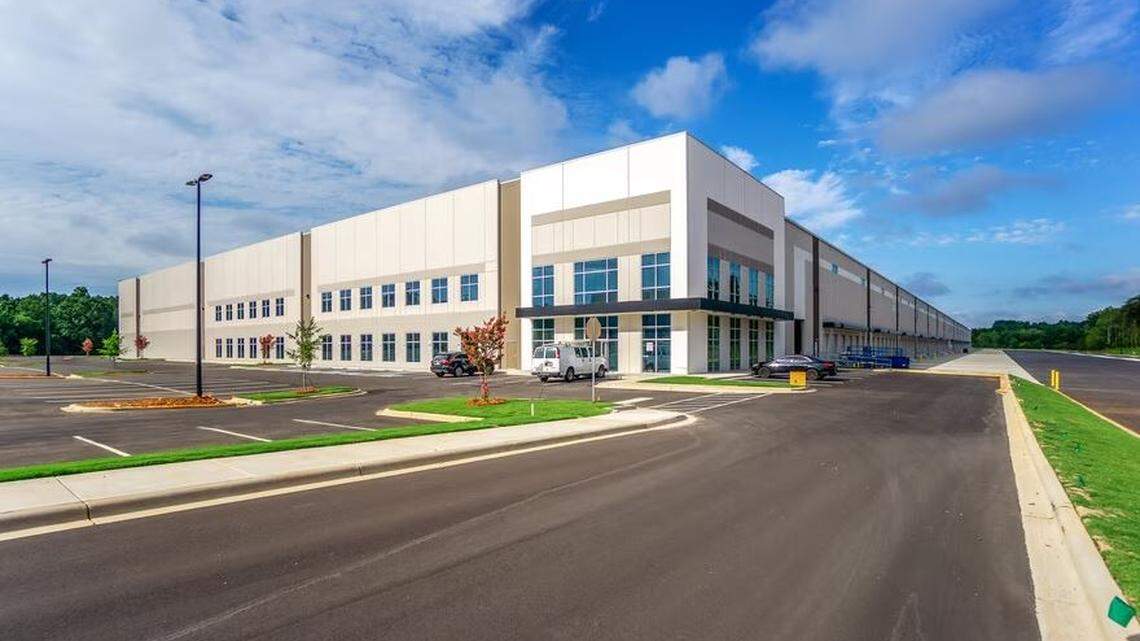
South Carolina legislators introduced two bills this month that, if passed into law, could strip Silfab Solar of the right to operate at its Fort Mill location.
The proposed bills, House Bill 4293 and Senate Bill 530, would empower county or municipal zoning officials to retroactively invalidate permits if they determine a property’s use doesn’t align with its zoning classification. York County politicians crafted the legislation and cited the Silfab controversy as motivation.
A zoning dispute has mired the Canadian manufacturing company for a year now as it fights accusations from concerned community members who say Silfab poses a threat to their health and the environment.
County planning staff first determined solar cell manufacturing should be allowed in light industrial areas like the Silfab site at 1749 Logistics Lane. But the zoning appeals board unanimously overturned that determination last May, finding Silfab’s manufacturing is actually heavy industrial, a different zoning usage not allowed at the Logistics Lane site.
York County argued the zoning appeals board ruling did not apply to Silfab and would only apply to future projects. The new bills would outlaw that interpretation and establish a new precedent across the state.
“This has a much larger effect because it basically fixes what I consider a loophole in our state that allows companies to get away with running a business on property that’s not zoned correctly,” said Rep. David Martin of Fort Mill, the House bill’s primary sponsor.
What happens next for the SC zoning bills?
Under the proposed bills, all construction on a property must cease immediately if a local zoning official finds its use is not permitted in the area as zoned. Development can only resume once the property is brought into zoning compliance or a court intervenes.
Tega Cay Rep. Jackie Terribile joined the House bill as one of six co-sponsors. Fort Mill Sen. Michael Johnson introduced the identical Senate bill.
Both were referred to committee, where they have yet to be scheduled for discussion.
The bills have a tight turnaround: This legislative session is scheduled to end on May 8, and the next session isn’t until January.
“I don’t know if it’s something that could be passed in time and signed by the governor,” Terribile said. “I’m going to try to stay positive and think that we can get that done.”
If the zoning bills don’t make it to a vote before then, they will still be alive and eligible for discussion when the legislature returns next year.
Terribile is the former chairperson of the York County chapter of Moms for Liberty, the right-leaning parental rights group that was instrumental in garnering support during the early days of the movement against Silfab. She stepped down before the group became heavily involved but has shared her constituents’ concerns about the development building so close to neighborhoods and schools.
Fort Mill School District will open an elementary school next door to Silfab this fall, followed by a middle school in 2026. The district is searching for a firm to conduct an environmental evaluation of how Silfab might impact the schools.
“People are putting their houses on the market because of it,” Terribile said. “I want the best resolution for my constituents so that they can stay in District 66 and can feel really comfortable sending their kids to school there.”
Silfab has all necessary environmental approvals, and its permits will require strict and ongoing monitoring, the company said in a statement. Silfab plans to bring 800 new jobs to the area.
“We’ve been fully compliant with all local, state, and federal regulations from the very beginning and intend to continue to work alongside these agencies,” the company said.
Silfab faces two court challenges
The bills aren’t the only potential hurdle for Silfab.
In January, a judge ruled Silfab could continue construction for now as the court weighs a case brought by Silfab seeking to overturn the York County Board of Zoning Appeal’s decision.
Judge Martha Rivers, visiting from Aiken County, ordered Silfab and a group of Fort Mill residents to undergo mediation before the case could proceed to court. The parties met for mediation on Monday, but it’s unclear whether they reached a resolution. Representatives with the two groups said they cannot discuss what happened at mediation.
Rivers paused a second court case filed by Citizens Alliance for Government Integrity, the nonprofit group of residents involved in the legal struggle with Silfab. They argued Silfab could pose a threat to nearby properties in the event of a spill or leak due to dangerous chemicals it uses during the manufacturing process.
Pending the outcome of the first case, Rivers could consider the citizens’ case later on.
This story was originally published April 22, 2025 at 11:28 AM with the headline "2 new SC legislature bills seek to strip Silfab Solar plant of Fort Mill permits."
