Cops using CBD: What happens when NC officers fail required drug tests?
AI-generated summary reviewed by our newsroom.
- When CBD products trigger positive THC tests, police officers face serious discipline.
- Experts: Lack of regulation, faulty labeling can lead CBD users to misjudge THC levels.
- NC law enforcement leaders recognize need for more training on CBD product risks.
Like many new parents, Eric Schneider reached for healthy habits as he struggled with stress and sleep after he and his wife brought their first baby home.
“I was under a lot of stress and started working out, and I gave up chewing tobacco and cut back on drinking,” the once-rising leader in the Charlotte-Mecklenburg Police Department explained.
Schneider found a CBD oil online that promised to reduce pain, lower anxiety and help him sleep. The label claimed the product wouldn’t get you high or show up on a drug test.
But that wasn’t the case.
The police sergeant tested positive for marijuana metabolites, which forced him into a years-long fight to keep his job and promising career. It’s a cautionary tale for police, deputies, corrections and other law enforcement officers who — like so many people — are smoking, eating or applying CBD products seeking relief from various ailments.
Concerned about potential risks for a profession already struggling with retention and recruitment, state law enforcement leaders are taking steps to better inform the rank and file. That includes updating annual training to make sure officers understand what they risk when using the exploding number and types of CBD products.
That may include getting certification applications denied or losing required state certification, said Eddie Caldwell, executive vice president and general counsel to the North Carolina Sheriffs’ Association.
“What we’re trying to do is make sure that every officer in the state gets clearly notified that any illegal amount of THC is the same as marijuana,” said Caldwell, who is also vice chair of the North Carolina Criminal Justice Education and Training Standards Commission.
Schneider declined to talk to The News & Observer about his fight to keep his certification, but public records tracing his journey give deep details about his successes and losses.
Hemp market explodes
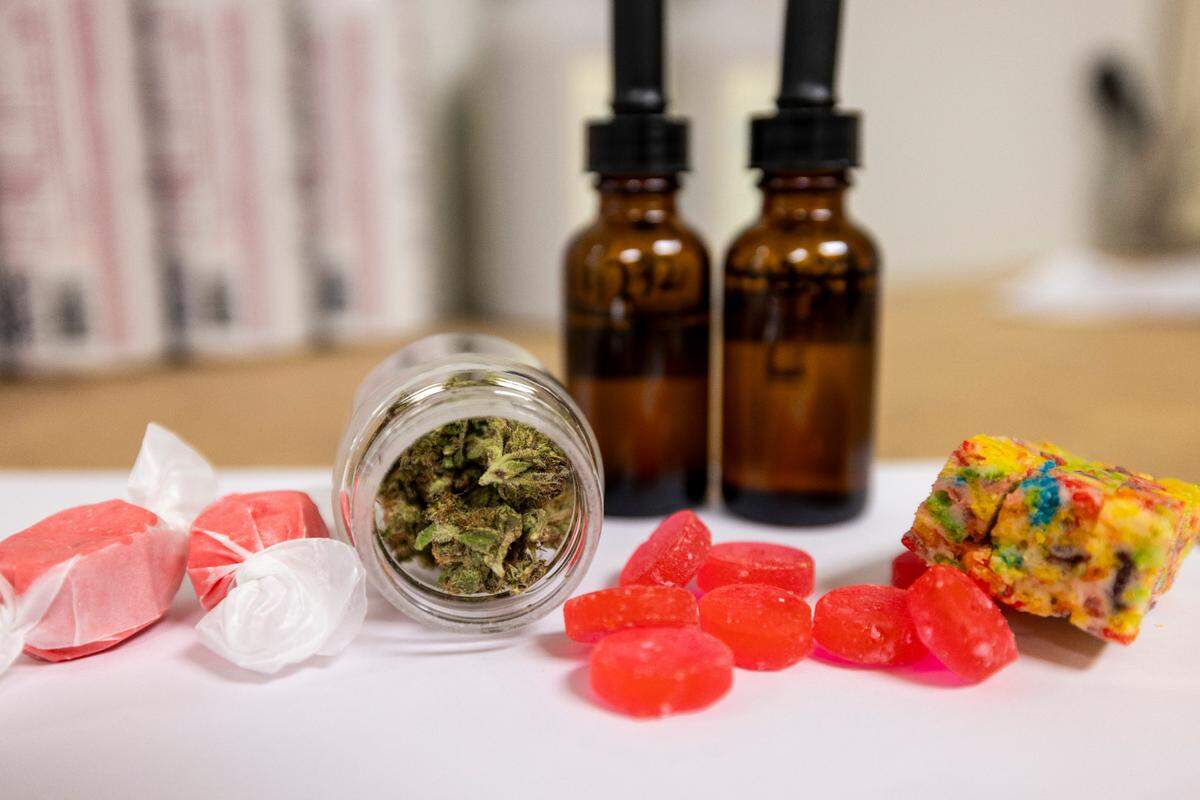
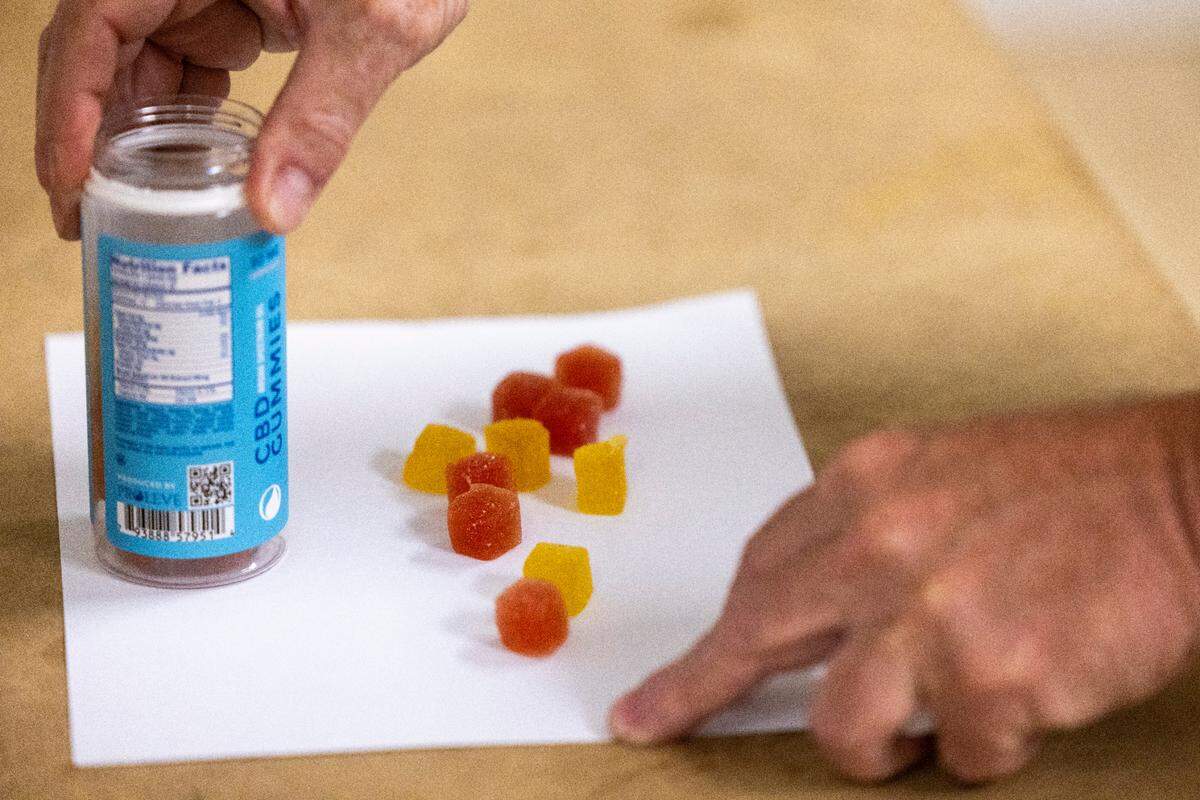
In 2018 a new federal law made products derived from hemp legal. The change opened the door to the billion dollar — and essentially unregulated — industry. About 60% of U.S. adults reported trying CBD, according to a 2025 Forbes Health survey.
Hemp-based products, known as CBD or cannabidiol, are supposed to have a low amount of tetrahydrocannabinol, best known as THC. That psychoactive ingredient causes a high and is much more prevalent in marijuana, which is still illegal in North Carolina.
Amid rocketing growth in the hemp industry, the U.S. Food and Drug Administration warns that many CBD products on the internet, in the chiropractor’s office and in specialty stores popping up across the country are untested. Some could damage people’s liver or harm people’s health with toxic chemicals or heavy metals, the FDA has warned.
For some police officers who have tried CBD, positive drug tests that followed have affected careers across the country, including in Georgia and New Jersey, according to media reports.
In Schneider’s case, his positive test was a big surprise for him and his supervisors.
A rising police leader in Charlotte
An Appalachian State graduate who studied criminal justice, Schneider started as a Charlotte officer in 2011.
In the years that followed, he received high performance ratings, according to records obtained by The News & Observer. In most cases “exceptional,” the highest possible.
Lt. Jeffrey Brown in a 2021 review described Schneider as a respected leader. “He is constantly looking for opportunities to develop officers and is a resource to the officers as a result of his skills,” Brown wrote.
Charlotte-Mecklenburg police Lt. Daniel Meyers supervised Schneider and five other sergeants in the department’s division that patrols the University of North Carolina at Charlotte area.
“He was my go-to when I needed something done in the division,” Meyers testified in an administrative hearing in November.
As Schneider drove his marked police vehicle to work on Aug. 31, 2022, a driver hit the vehicle at an intersection, according to a police report. Schneider wasn’t hurt nor at fault. But his car was undrivable, so police policy required he take a drug test, which he failed.
Inaccurate labels, forged certifications
Schneider was shocked by the results, according to information gathered for the state investigation. He had only smoked marijuana twice in high school, he told police investigators.
About 10 days before the wreck he started dropping a branch of CBD oil under his tongue to ease stress that he linked to weight gain, chronic shoulder pain and the new baby girl.
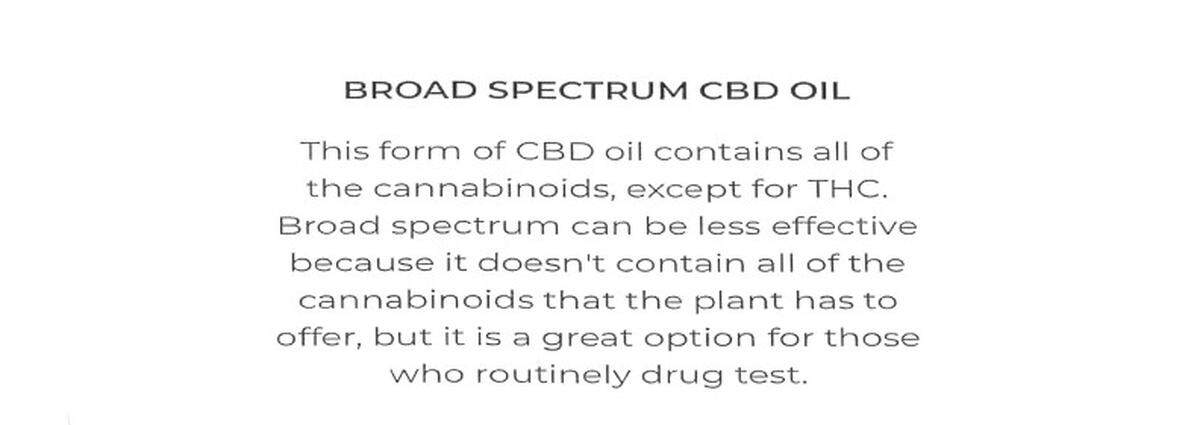
“This form of CBD oil contains all the cannabinoids except for THC,” states the marketing for the product that Schneider ordered, according to state documents.
Schneider used the recommended dose the first night, he testified at an administrative hearing in November. He didn’t feel any better, so he doubled it.
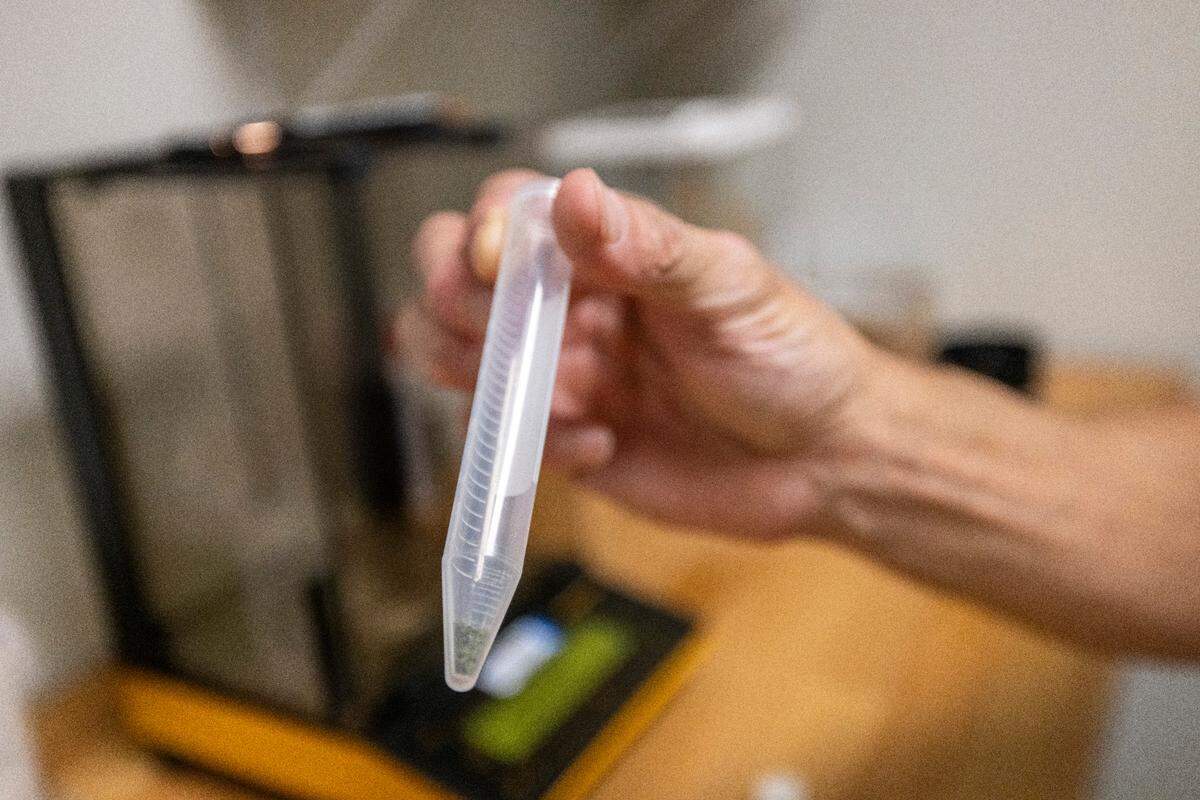
After Schneider failed the drug test, a doctor questioned whether the CBD drops, which came with written information claiming they were tested, could lead to the positive result. So, Schneider ordered a test, which detected more THC than advertised.
Inaccurate labels are a common problem in the CBD industry, the owners of Delta 9 Analytical, a Raleigh company that tests hemp products, told The News & Observer.
That’s due to a lack of regulation and no requirement that companies test their goods for potency, Michael Horton and Frank Maurio said during an interview.
Another “huge problem” they are finding, are forged lab certifications saying a product was tested but it wasn’t, Horton said.
“There are a lot of labels out there that are just plain incorrect,” Horton said.
The CBD Association has said that it’s developing a testing protocol and label that brands can use to increase consumer confidence.
Officer fired, rehired
On Nov. 15, 2022, the Charlotte police department fired Schneider. But the city’s Civil Service Board reinstated him more than a month later.
That wasn’t the end. The process to consider whether Schneider could keep his state law enforcement certification was just getting started.
Schneider hired attorney George Laughrun II to fight to retain his certification. Schneider, now a father of two children, won over an administrative law judge, who recommended in November that Schneider keep his certification.
After the judge’s decision, Schneider took early retirement from his Charlotte position and started teaching private individuals and companies, Laughrun said.
Still, his law enforcement certification was valuable as a credential for teaching, as well as an opportunity to return to law enforcement.
In early May, Schneider’s fight culminated before most of the about 35-member state training and standards commission in a conference room at Wake Tech’s Public Safety Education Campus.
During a hearing, Laughrun told commissioners he appreciates their responsibility to get rid of bad officers. But that wasn’t Schneider, he stressed.
He made a mistake in a confusing situation, Laughrun said, one that the Charlotte police have addressed by changing their policy and banning CBD use after Schneider tested positive.
“I call it the Schneider rule,” Laughrun said at the May 8 hearing.
The final decision
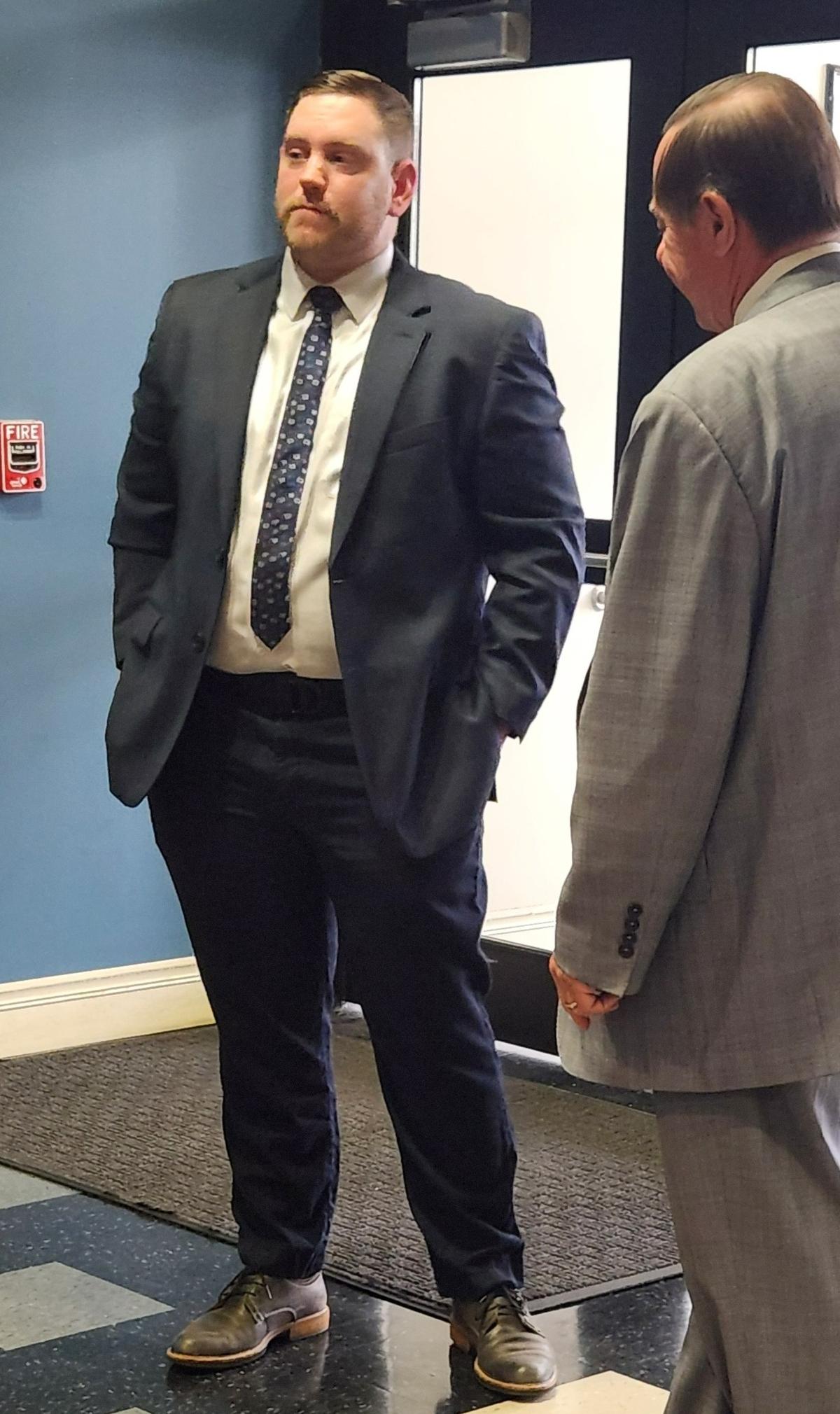
While the commission deliberated behind closed doors, Schneider paced the hall, fiddled with his phone, and stared into nowhere.
The news wasn’t what he wanted. The commission suspended his certification for five years, but it was a split vote.
The mixed result has been common in the several other similar cases before the commission, according to Jeff Welty, a commission member and UNC School of Government professor.
“However, it appears that a majority of Commission members believe that officers who use CBD products know, or should know, that they are taking a risk and are therefore accountable for the results,” he wrote in a June 2 blog post.
Virginia Bridges covers criminal justice in the Triangle and across North Carolina for The News & Observer. Her work is produced with financial support from the nonprofit The Just Trust. The N&O maintains full editorial control of its journalism.