Are your taxes going up in 2 weeks? See new rates in Charlotte area communities
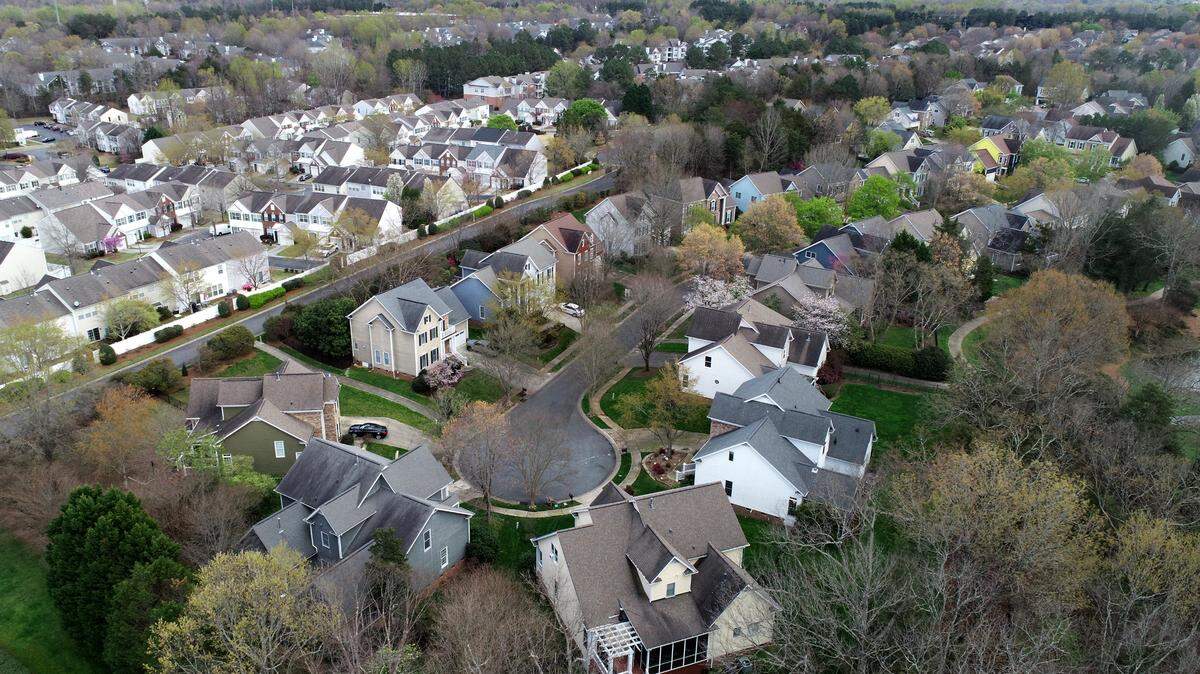
Many Charlotte-area property owners will pay more in property taxes in a couple weeks, but how much more depends on where they live.
Counties, cities and towns throughout the region set their latest tax rates in June as part of their budgets for the new fiscal year starting July 1. Some — including Mecklenburg County — increased their property tax rates.
Other municipalities will maintain or even lower their tax rate in the new fiscal year.
The Charlotte Observer looked at new budgets across the region to break down how much property owners are slated to pay.
What do you pay property taxes on?
Property taxes apply to items including:
Land and buildings
“Business personal property,” which includes office equipment, machinery and computer equipment
Vehicles registered with the North Carolina Department of Motor Vehicles
“Individual personal property,” which includes boats, unregistered vehicles and campers
Yearly tax bills are calculated by dividing property values by $100 and multiplying that by the tax rates in the property’s county and city or town.
For example, the owner of a $400,000 house in Charlotte starting July 1 could pay $3,067.20 in property taxes under the latest rates — $1,096.40 to the city of Charlotte and $1,970.80 to Mecklenburg County. To reach those estimates, one would multiply $4,000 by the county’s tax rate of 0.4927 and $4,000 again by the city’s tax rate of 0.2741.
Renters also can end up paying more when property taxes go up, if landlords pass on the added expense to their tenants.
Some residents may pay additional taxes if they live in designated areas, such as special tax districts or volunteer fire districts.
Mecklenburg County taxes
Mecklenburg County commissioners approved a 0.96 cent rate increase in their new budget, bringing the county property tax rate to 49.27 cents per $100 of assessed value.
A property owner whose house is valued at $377,000, the median Mecklenburg home price, would pay about $36 more in taxes under the proposal, county staff told commissioners. Someone with a house valued at $250,000 would pay about $24 more in taxes, and someone with a house valued at $600,000 would pay about $57 more.
County Manager Dena Diorio said in her budget presentation the increase was necessary to cover a $29 million budget deficit.
The south Mecklenburg town of Pineville’s Town Council also approved a property tax increase in its latest budget. Pineville’s tax rate will increase by 1.5 cents, to 30 cents per $100 of assessed value.
The new revenue will pay for a new fire station and a ‘round-the-clock firefighter position, town manager Ryan Spitzer told The Charlotte Observer.
Other Mecklenburg municipalities didn’t increase their property taxes rates this budget cycle, including:
Charlotte, which will maintain a rate of 27.41 cents per $100 of assessed value
Cornelius, which will maintain a rate of 17.31 cents per $100 of assessed value
Davidson, which will maintain a rate of 26.6 cents per $100 of assessed value
Huntersville, which will maintain a rate of 22.75 cents per $100 of assessed value
Mint Hill, which will maintain a rate of 22.5 cents per $100 of assessed value
Matthews leaders won’t vote on the town’s new budget until next week, town spokeswoman Maureen Ryan told the Observer. The town’s proposed budget includes a 1.3 cent property tax increase, which would bring Matthews’ property tax rate up to 27.95 cents per $100 of assessed value.
That tax increase would pay for debt taken on by the town to fund transportation and parks and recreation projects as part of a $35 million bond referendum approved by voters in 2022.
Cabarrus County taxes
Cabarrus County Commissioners voted to maintain the current tax rate of 57.6 cents per $100 of assessed value. That means a homeowner with a property valued at $356,350, which is the median home in Cabarrus, would pay just over $2,000 a year.
Some municipalities in Cabarrus County voted to maintain current property tax rates.
- Concord will maintain its current rate of 42 cents per $100 of valuation.
- Harrisburg will maintain its current tax rate of 41 cents per $100 of valuation.
- Midland will maintain its current tax rate of 20 cents per $100 of valuation.
- Mount Pleasant will maintain its current rate of 39 cents per $100 of valuation.
Kannapolis, which straddles Cabarrus and Rowan Counties, will vote next week on its budget for next year. The proposed budget suggests maintaining the city’s current rate.
Gaston County taxes
Gaston County commissioners voted in May to maintain the county’s current tax rate of 59.9 cents per $100 of assessed value, the lowest rate in the county since 1970.
“While inflationary pressures, state-mandated increases, and increased school debt continue to challenge operations, the budget minimizes impacts on residents without increasing the financial burden on taxpayers,” County Manager Matthew Rhoten wrote in the budget. “Gaston County has made significant progress over the past seven years, reducing its property tax rate by 27.1 cents.”
Here are rates for several of the other towns in Gaston County.
- Mount Holly will maintain its current rate of 40 cents per $100 of assessed value.
- Dallas will raise its rate 2 cents to 44 cents per $100 of assessed value.
- Gastonia will maintain its current rate of 47 cents per $100 in valuation.
- Belmont will maintain its current rate of 45 center per $100 of assessed value.
- Bessemer City will maintain its current rate of 55 center per $100 of assessed value.
- Cherryville will maintain its current rate of 48 cents per $100 of assessed value.
Lincoln County taxes
Lincoln County’s adopted tax rate is 49 cents per $100 of assessed value, the same as last year.
“Historically, Lincoln County remains in the better half of counties with lower tax rates and this trend will likely remain,” County Manager David Madden wrote in his budget message.
Lincolntown will maintain its current rate of 50 cents per $100 of assessed value. City Manager Ritchie Haynes said the town has not raised its rate since the 1970s.
Iredell County taxes
Iredell County will maintain its current rate of 50 cents per $100 of assessed value.
“We are often criticized by our citizens for not having a lower tax rate, yet we are an extremely efficient organization and pride ourselves on being fiscally conservative,” Iredell County Beth Milton wrote in her budget message. “It is increasingly more difficult to provide the services that are expected of a large county yet retain one of the lowest tax rates.”
- Statesville will maintain its current rate of 51 cents per $100 of valuation.
- Mooresville will maintain its current rate of 48 cents per $100 of valuation.
- Troutman will maintain its current rate of 50 cents per $100 of assessed value.
Union County taxes
Union County commissioners voted to decrease the tax rate to 43 cents per $100 in assessed value from from 59 cents per $100 in assessed value.
The decision to decrease the tax rate comes after a recent revaluation that increased single-family home values in the county by about 58%. Commissioners similarly voted to decrease the tax rate in 2021 following a property revaluation in the county.
Here are rates for several of the municipalities in Union County:
- Indian Trail voted to adopt a rate of 17 cents per $100 in assessed value, a decrease from 18.5 cents last year.
- Stallings will decrease its rate by two cents to 19 cents per $100 of assessed value.
Waxhaw will maintain its current rate of 31 cents per $100 of assessed value.
Weddington will maintain its current rate of 3.5 cents per $100 of assessed value.
Wingate will decrease its rate by nine cents to 25 cents per $100 of assessed value.
Monroe City Council members are expected to vote on the budget June 23.