NC legislature OKs letting Duke Energy charge for new plants before they’re built
AI-generated summary reviewed by our newsroom.
- Lawmakers approved SB 266, letting Duke Energy charge customers before building plants.
- If signed, bill eliminates 2030 emissions targets while keeping carbon neutrality by 2050.
- Critics warn customers may fund unbuilt projects despite included safeguards.
North Carolina lawmakers have approved a bill to let Duke Energy delay planned carbon-emissions reductions and also allow the utility to charge rate-payers for new power plants before they’re built.
The company and supporters of the bill say the changes will save customers money.
Critics say the state is backing away from its commitment to clean energy, which can slow climate change. And with the shift in the way new power plants would be financed, customers could end up paying for projects Duke Energy may never build or bring online.
Senate Bill 266 was approved on Thursday in the state legislature and now goes to Gov. Josh Stein.
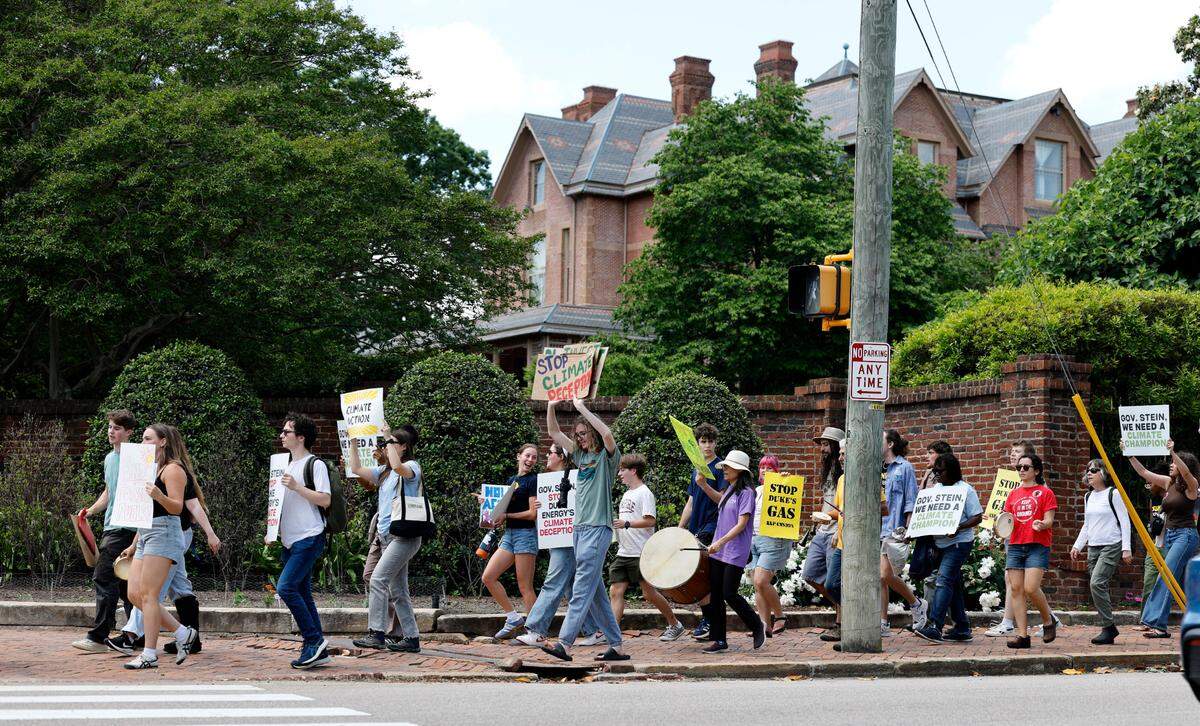
The carbon-emissions component
In 2021, Democrats and Republicans in the legislature worked together to approve House Bill 951 that committed North Carolina to a 70% reduction in carbon dioxide emissions by public electric utilities from 2005 levels by the year 2030. It set a goal of carbon neutrality – meaning for every ton of carbon dioxide power plants emit, an equivalent amount of carbon dioxide emissions is prevented — to achieve by 2050.
Duke Energy, the N.C. Sustainable Energy Association and others helped craft that bill, which favors transitioning to cleaner energy sources such as large-scale solar power as coal plants are retired.
SB 266 leaves in place the 2050 goal of carbon neutrality but drops the requirement of the 70% reduction by 2030.
That comes as a disappointment to clean-energy advocates, including Mel Mackin, director of state policy for Ceres, a Massachusetts-based nonprofit.
“Leading businesses across North Carolina have supported the state’s plan to reduce power sector emissions by 70% by 2030, both to reduce their own exposure to climate risk and to experience the economic benefits of clean energy investment,” Mackin said. “This decision not only delays that goal, but it also sets a worrying precedent.
“While we will continue to push for greater ambition from Duke moving forward, including through increased investment in clean energy resources and transmission upgrades, this outcome is a reminder that achieving our climate, energy, and economic goals will require concerted and aligned effort from all levels of government and the private sector.”
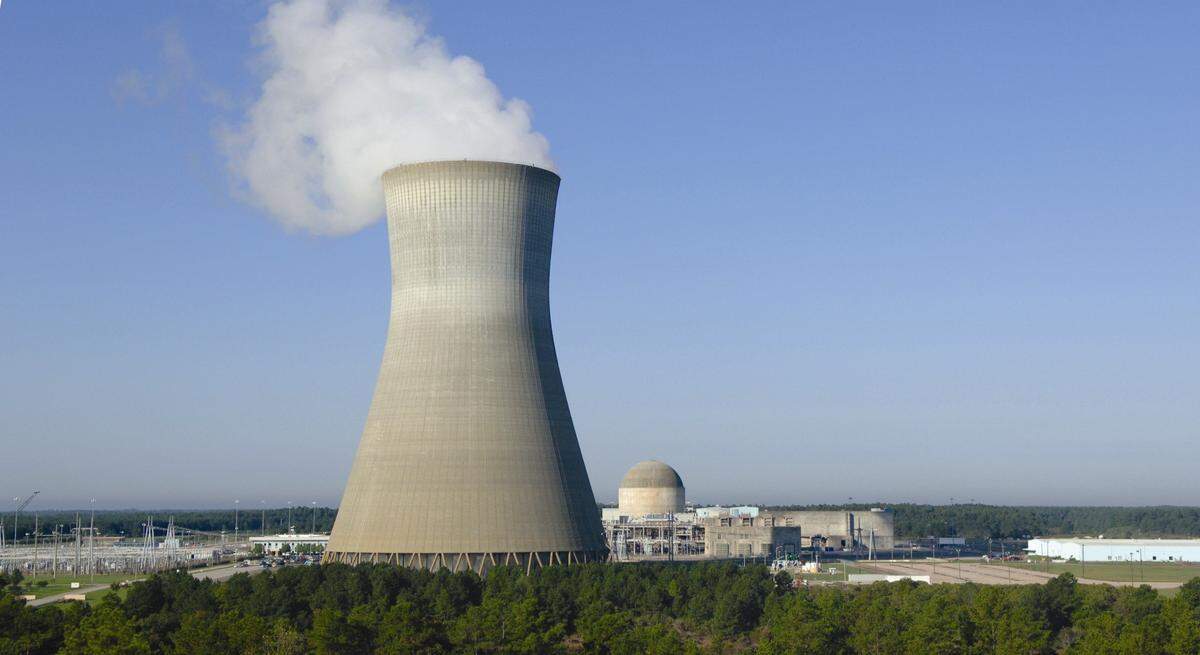
Paying for new power plants
Markin said Friday that North Carolina and other states are expecting a large increase in the demand for electricity with the development of data centers and growth in manufacturing. To compete for new industry, the state must assure businesses they’ll have access to reliable power.
SB 266 would make a major change in how Duke Energy would finance new projects to provide that power. Typically, the utility builds first and recoups the cost of the investment by billing customers later.
Under the new law, the utility would finance new construction in advance, getting the money from rate-payers instead of borrowing it from commercial lenders with interest.
Duke says the method, called Construction While in Progress, or CWIP, saves customers money by avoiding interest charges.
“We appreciate bipartisan efforts by policymakers to keep costs as low as possible for customers and enable the always-on energy resources our communities need,” Garrett Poorman, a Duke spokesman, said Friday. “Policies which build on our state’s strong customer protections while helping meet growing energy demands from population growth, business expansion and a resurgence of manufacturing can play a critical role in supporting North Carolina’s thriving economy.”
Josh Brooks, chief of policy strategy and innovation for the N.C. Sustainable Energy Association, said he’s concerned that customers here could end up like those in South Carolina, who still are paying for two nuclear reactors that were never built, or those in Georgia, where a nuclear plant came online seven years late and more than $17 billion over budget.
Duke’s spokesman said SB 266 “includes important safeguards to protect customers, adding to the strict oversight North Carolina policymakers have granted the Utilities Commission over the construction of new generation resources.”
Brooks disagreed.
“Conceptually there is an argument to be made that CWIP, with guardrails, could help with financing costs as long as the project is actually built and all costs are just and reasonable to provide the best reliable service to the state,” he said. “While (SB) 266 does have some guardrails, they are not sufficient to ensure that happens.”
The bill is headed to Stein, who will have 10 days to make a decision on it. If the Democratic governor decides to veto the bill, SB 266 would go back to the Republican-controlled legislature, where it would likely need support from at least one Democrat to become law.
More than a dozen Democrats crossed party lines to support the bill in votes this month.
This story was originally published June 21, 2025 at 10:55 AM with the headline "NC legislature OKs letting Duke Energy charge for new plants before they’re built."