NC Republicans successfully overturn 8 vetoes. What’s now law — and what’s not
North Carolina state lawmakers came back to Raleigh on Tuesday after a month break, and successfully overturned eight of Democratic Gov. Josh Stein’s 14 vetoes.
Republicans have near-total control of the General Assembly, but needed help from a few Democrats for override votes.
Vetoes that were overridden needed a three-fifths majority vote in each chamber.
Here are the bills and where they stand:
New law about guns in private schools
Effective immediately is a new law that will expand gun access to private school faculty and staff while on the job.
Still pending House approval is an act to codify permitless concealed carry into law. The Senate overrode the veto 30 to 19 along party lines, with Democratic Sen. Graig Meyer absent.
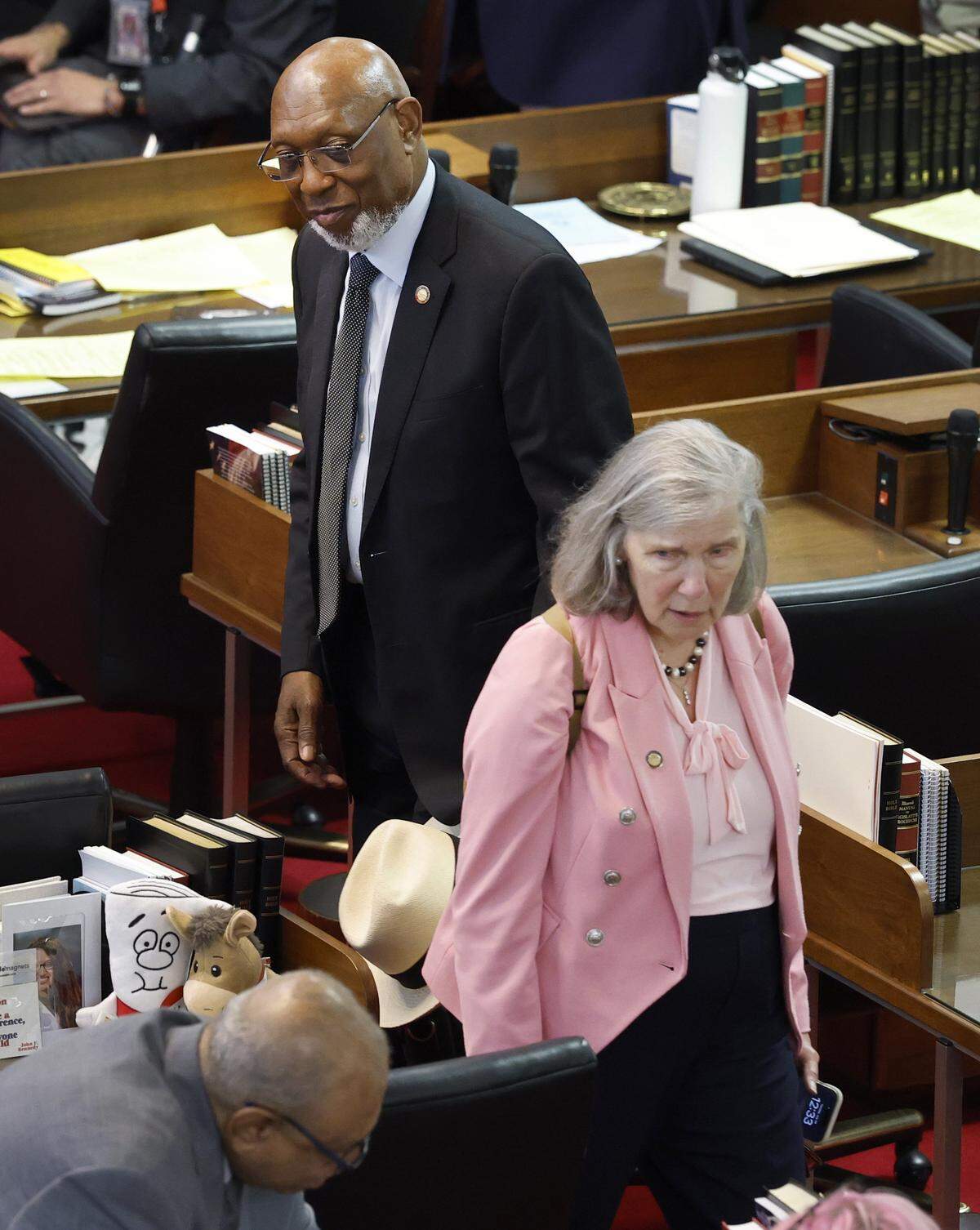
The bill needs to be taken up by the House for a successful override before it becomes law.
Immigration enforcement expanded
Local sheriffs must cooperate with U.S. Immigration and Customs Enforcement efforts to find and deport illegal immigrants.
Rep. Carla Cunningham delivered fiery remarks in support of the bill to the House, citing a need to work with law enforcement. Her floor debate was met with interruptions from the gallery, where protestors shouted at the awol Democrat.
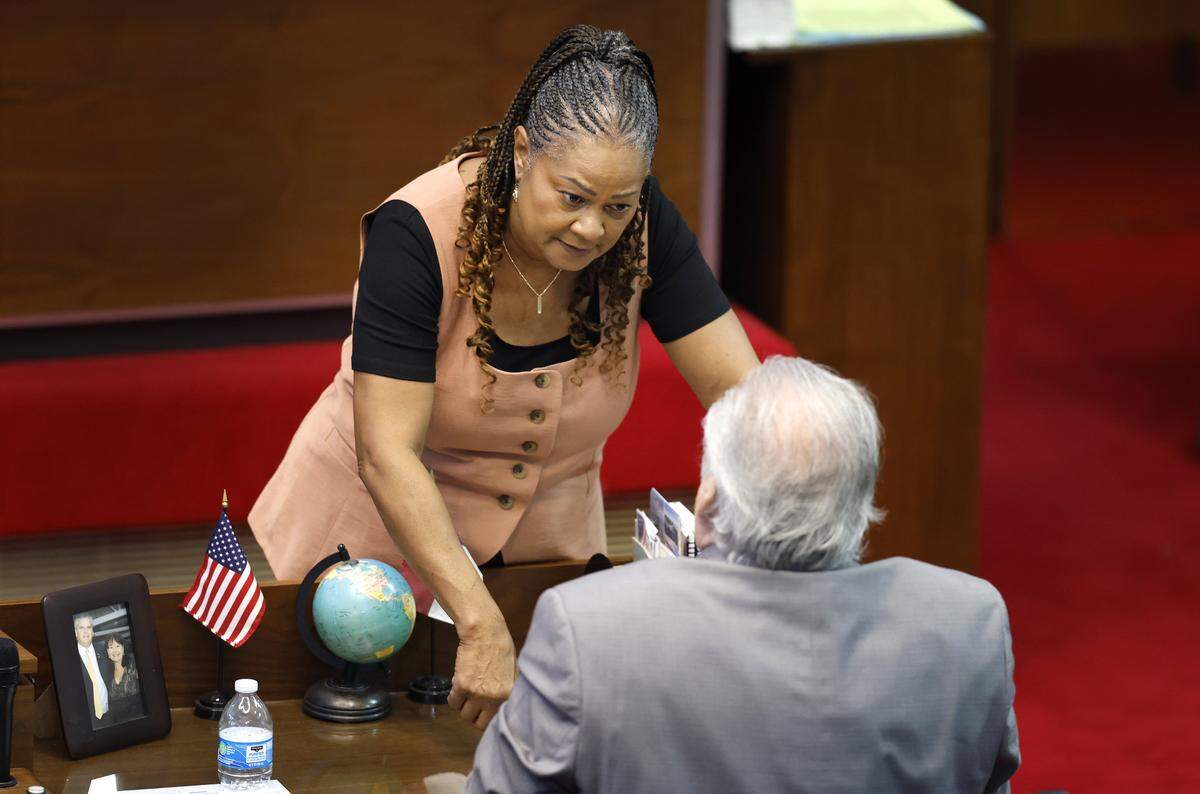
Senate Minority Leader Sydney Batch later lambasted Cunningham when the Senate session concluded that afternoon. Batch addressed the possibility of primarying those who stepped out of party lines.
Still on the table is a bill to further secure state borders by creating incentives for local governments to comply with federal immigration enforcement and put state funds toward legal residents.
The state officially recognizes two genders
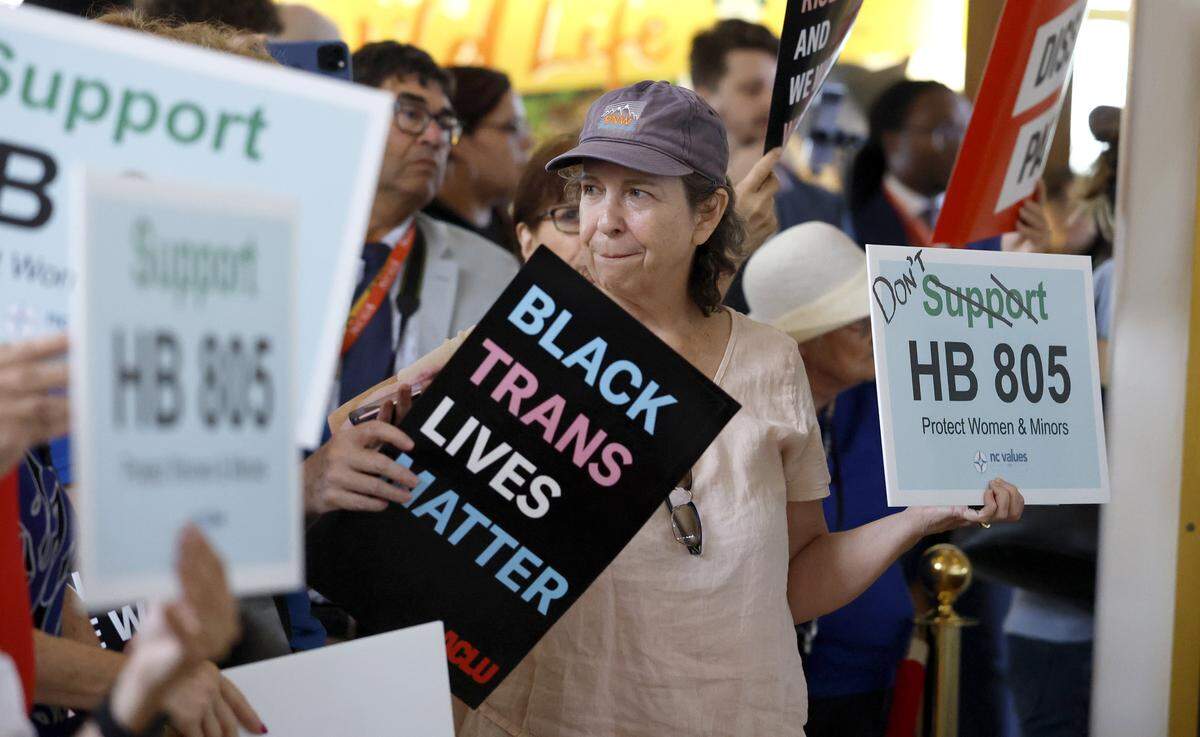
North Carolina now recognizes two genders — male and female — under law.
The bill originally exclusively sought to protect people who have explicit content of themselves on pornography sites. It passed unanimously in both chambers, before GOP-led amendments were added.
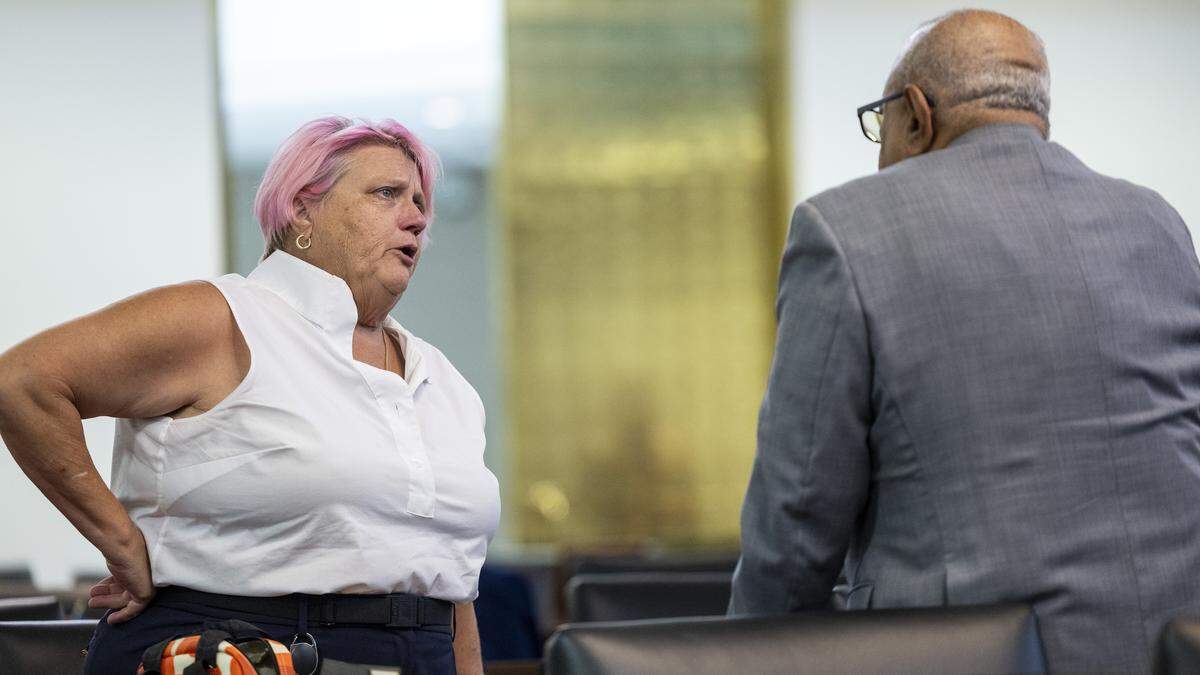
The final bill — now law — bars state funds from going toward prisoners’ gender transition procedures, requires schools to allow parents a way to restrict what material students can read in the classroom and creates a searchable library database of every school’s library.
Students can also excuse themselves from instruction that goes against their religious beliefs and values, which includes but is not limited to recognizing only two genders.
No new laws about DEI
Two bills seeking to restrict diversity, equity and inclusion in public schools in K-12 schools and higher education are now waiting for action from the House.
Both bills passed along party lines. For the bills to succeed its last hurdle and become law, three-fifths of the total number of representatives present during a session need to vote for the override. This becomes a math game for Republicans, and head counts become critical.
A third DEI-related bill seeks to remove diversity, equity and inclusion from state government operations. However, a veto override was not on the table for either chamber’s Tuesday calendar.
What else is now law in North Carolina
The following bills were also enacted into law following successful veto overrides in the Senate and House.
- House Bill 402: “Limit Rules with Substantial Financial Costs” — A version of the REINS Act that passed in other states, this requires legislative approval for new permanent rules that meet certain cost thresholds.
- Senate Bill 416: “Personal Privacy Protection Act” — Public agencies are now prohibited from collecting and releasing donors’ personal information to nonprofit organizations.
- Senate Bill 266: “The Power Bill Reduction Act” — A bill pitting businesses and residents against one another is set to alter energy costs. Whether those costs rise or lower in the long-term is to be determined.
- Senate Bill 254: “Charter School Changes” — A North Carolina Charter Schools Review Board and North Carolina Office of Charter Schools will be established to oversee and allocate funds to charter schools.
Budget deal backdrop
While the veto override votes began Tuesday morning, Stein held a news conference urging lawmakers to reach a deal on the month-late state budget, which is a two-year spending plan with raises and tax cuts as well as broad state spending on programs and projects.
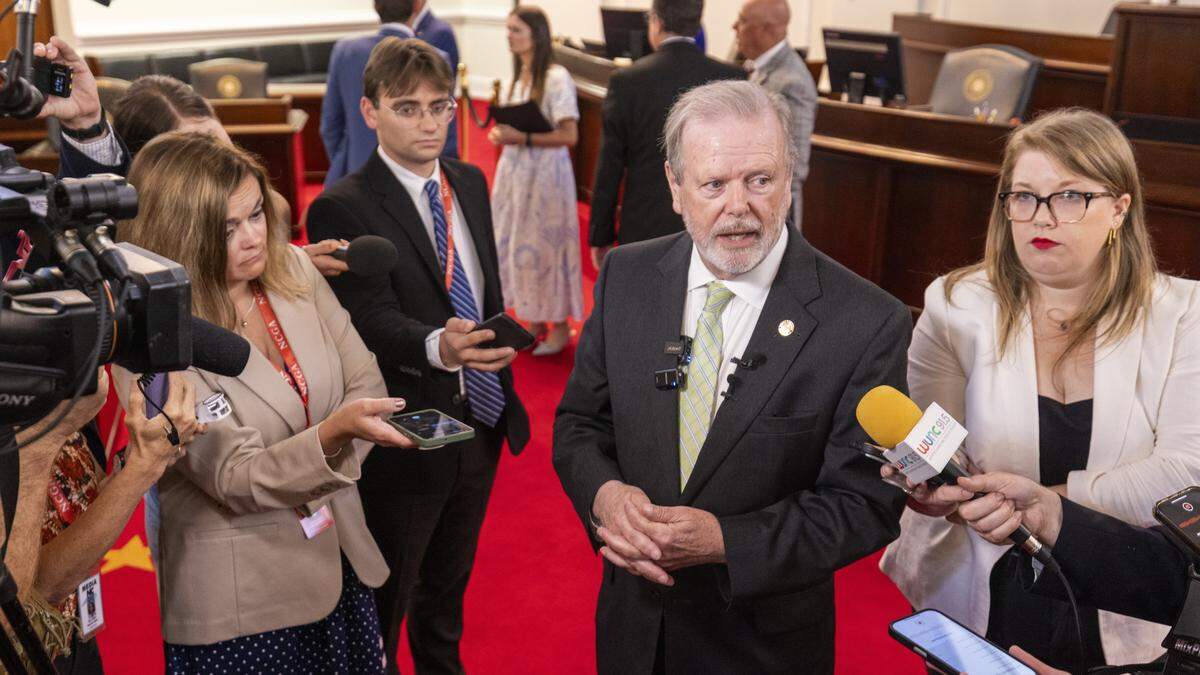
Stein also confirmed what Republican Rep. John Bell hinted at on Monday to reporters, that a mini budget deal was in the works. A mini budget is a smaller budget bill that has some focused spending. In 2019, when there was a budget stalemate, the General Assembly passed a series of mini budgets.
Later that morning, The News & Observer exclusively learned that a mini budget bill deal had been reached between Republican House and Senate leaders, and the bill passed the Senate that afternoon with a majority of Senate Democrats voting for it, along with Republicans. The bill included funding for step-increase raises for teachers and some state employees, as well as funding to hire more DMV workers. A final vote is expected Wednesday in the House.
Ronni Butts, Avi Bajpai and Kyle Ingram contributed to this report.
This story was originally published July 30, 2025 at 5:00 AM with the headline "NC Republicans successfully overturn 8 vetoes. What’s now law — and what’s not."
.jpg)