Gov. Stein signs mini-budget, vetoes bill opting NC into school-choice tax credit

AI-generated summary reviewed by our newsroom.
- Gov. Stein signed a $1B mini-budget to maintain services amid budget delays.
- Stein vetoed a GOP bill opting NC into a federal school-choice tax credit plan.
- The mini-budget funds DMV expansion and retroactive step raises for state workers.
North Carolina Gov. Josh Stein expressed concern that lawmakers have not been able to agree on a new budget, but signed a stopgap spending bill into law on Wednesday, saying it “keeps the lights on.”
Also on Wednesday, Stein vetoed a bill Republican lawmakers moved quickly to put together and pass last week that would opt North Carolina into a federal school-choice tax credit program passed under the Trump administration’s recently enacted One Big Beautiful Bill Act.
Stein said tax benefits shouldn’t come at the expense of funding for public schools. He said even though he was vetoing the bill, he believed the federal program could benefit North Carolina’s public school students, and plans to opt into the program after more guidance from the federal government.
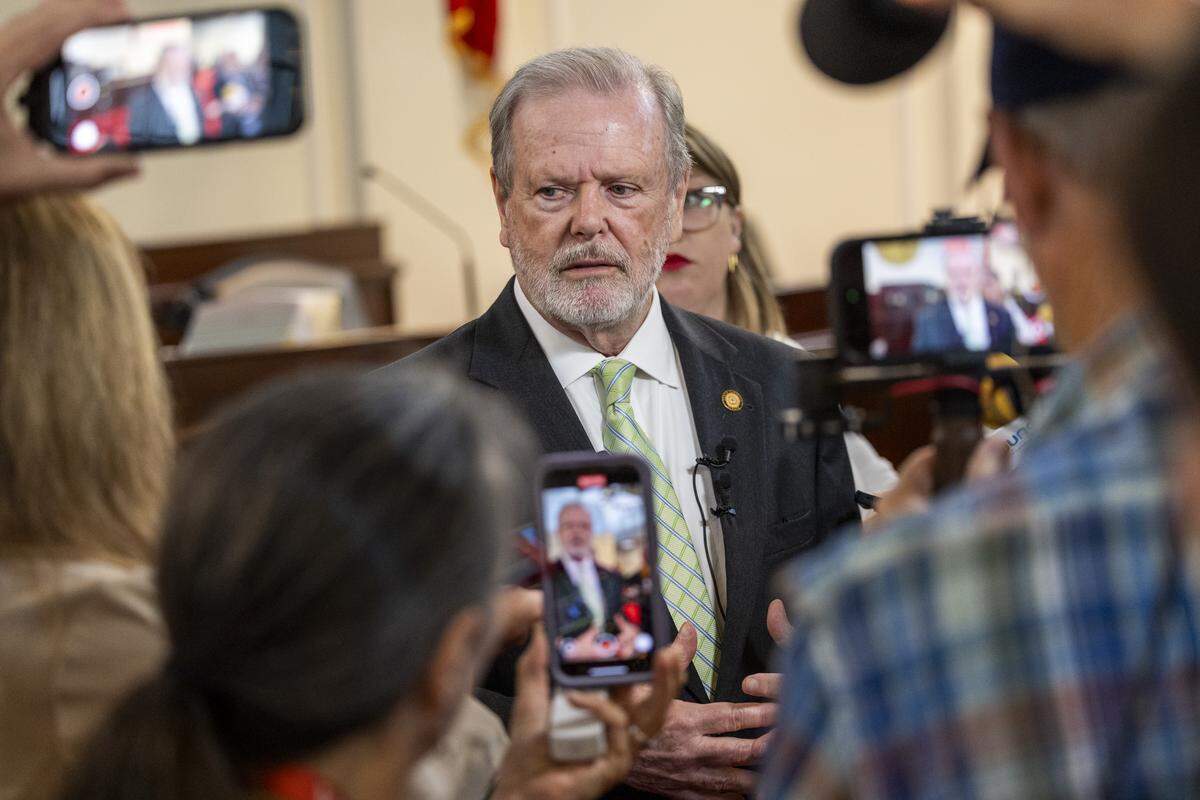
Senate leader Phil Berger, who championed the bill and said it would make North Carolina the first state in the country to join the tax credit program, criticized Stein for blocking the bill, and said Senate Republicans would override his veto.
“Either you support school choice, or you don’t,” Berger said. “Gov. Stein could have made North Carolina a leader in school choice and parental freedom by signing the Educational Choice for Children Act, but instead, he’s attempting to usurp the General Assembly’s authority to set tax policy. I look forward to holding Gov. Stein accountable and overriding his veto to ensure North Carolina can participate in President Trump’s signature school choice initiative.”
A Republican sponsor of the bill in the House, Rep. Neal Jackson, meanwhile called Stein’s veto “a slap in the face to every North Carolina parent fighting for a better future for their child.”
The bill was sent to Stein’s desk last week in a party-line vote in the Senate, where Republicans have enough seats to override a veto on their own. In the House, where Republicans are one seat short of that threshold, the bill passed with the support of two Democrats, Reps. Carla Cunningham and Shelly Willingham.
Stein, on Wednesday, also signed into law a third bill that cracks down on squatters.
Medicaid funding at issue in ‘mini’ budget
This “mini” budget bill GOP lawmakers agreed on last week and sent to Stein amid ongoing talks on a comprehensive state budget spends more than $1 billion this year and adds new jobs and new locations for the Division of Motor Vehicles to solve the state agency’s long-running problems and delays.
It also gives longevity-based raises to teachers and those state employees who are on a step-increase raise system. However, overall raises for teachers and state employees are not in this budget bill. The step-increase raises are retroactive to July 1.
In a statement on Wednesday, Stein said the bill he received from lawmakers and was signing into law is inadequate.
“This Band-Aid budget fails to invest in our teachers and students, fails to keep families safe, fails to value hardworking state employees, and fails to fully fund health care,” Stein said. “With federal cuts on the horizon, the legislature’s forced $319 million cut to Medicaid will be particularly painful. Despite these serious reservations, I am signing this bill into law because it keeps the lights on.”
The N.C. Department of Health and Human Services, which is overseen by Stein, said on Wednesday that while the mini-budget contains $600 million in funding for Medicaid, it still leads to a $319 million shortfall for Medicaid rebase, which is the funding needed to cover cost fluctuations in the program.
DHHS said it has two options to address the shortfall without additional funding: reducing optional services or reducing provider rates.
“More than three million people in North Carolina depend on Medicaid for comprehensive care that is life-changing and in many cases lifesaving. Underfunding NC Medicaid now after years of building a nationally recognized program that delivers real outcomes for the people we serve is a serious setback,” said DHHS Secretary Dev Sangvai.
Stein said in his statement that “we have so much going for us here in North Carolina, but we cannot just rest on our laurels, do the bare minimum, and expect to continue to thrive.”
He added: “The General Assembly needs to get serious about investing in the people who make this state great.”
What will the mini budget do?
Lawmakers were back in Raleigh last week for veto override votes and what appeared to be the start of a budget deal. While Berger and House Speaker Destin Hall, both Republicans, have not reached a deal on the big budget with raises and tax cuts, they came together enough to pass a bill including what they already share agreement on.
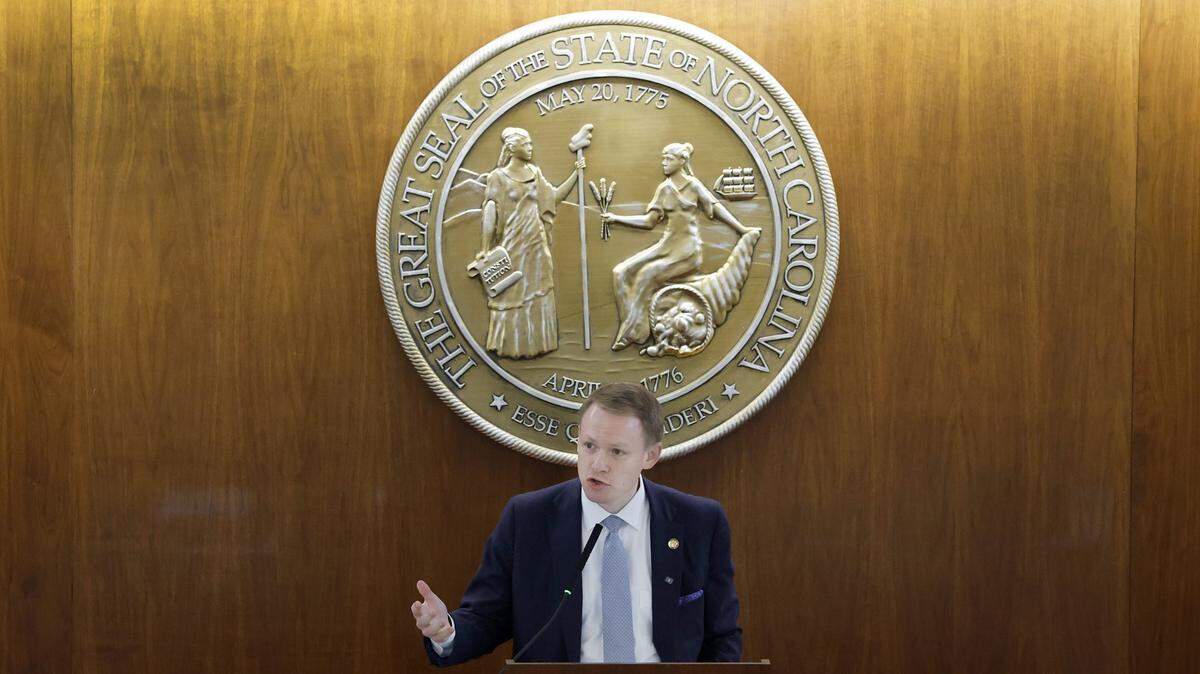
The mini budget bill passed both the House and Senate with some Democratic support, with those voting in favor saying it is a start and takes care of immediate needs, though more money is needed. The House passed the bill 91-23, and the Senate passed it 47-2.
Other provisions in the mini budget include funding for major construction projects that are currently underway, including the Education Campus across the street from the Legislative Building in downtown Raleigh, which will house multiple state agencies when completed, and $118 million for JetZero, the jet maker that plans to build its first plane manufacturing factory at the Greensboro airport, one that is projected to create 14,500 jobs.
The DMV funding will create 40 new full-time driver’s license examiner positions this year and another 21 jobs in the second year. New DMV offices would be added in Brunswick County, Cabarrus County, Fuquay-Varina in Wake County and Garland in Sampson County.
The bill also includes increased funding for K-12 school and community colleges based on enrollment growth, and funding for operations and maintenance of already completed construction projects at N.C. State University, UNC-Chapel Hill, and the N.C. School of Science and Mathematics.
The Agricultural Disaster Crop Loss Program will receive $142 million for statewide agricultural disasters in 2024.
And there’s funding for new positions at the Office of the State Auditor and the State Board of Elections. The bill also includes the DAVE Act, a government efficiency initiative GOP lawmakers proposed earlier this year, to be housed within the auditor’s office.
Budget writers said that there’s more to come, including a possible second mini budget bill when lawmakers come back to Raleigh on Aug. 26, if there’s still not a deal on the overall two-year spending plan.
“We just think that the funding that’s in this version of the more limited budget will get us to the next step in our negotiations,” Hall told reporters after lawmakers adjourned for another monthlong break last week.
This story was originally published August 6, 2025 at 5:17 PM with the headline "Gov. Stein signs mini-budget, vetoes bill opting NC into school-choice tax credit."
.jpg)