No funds available: NC program that pays power bills affected by federal cuts
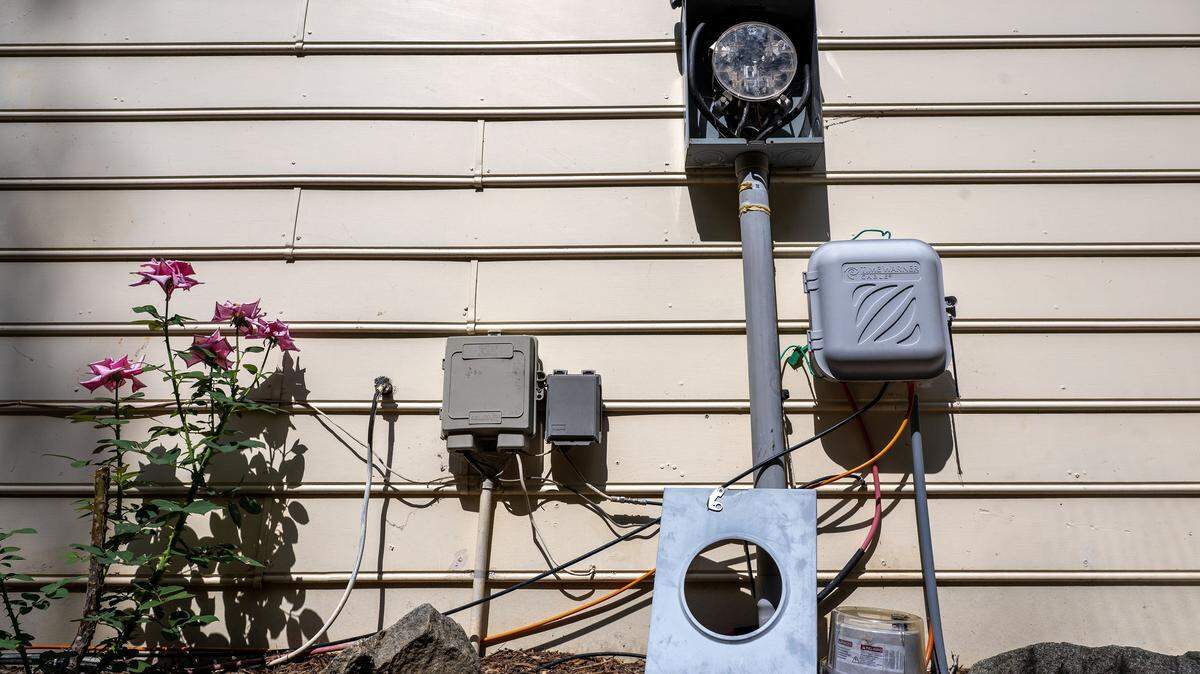
Kayla Soto had asked for help from the state’s Low Income Home Energy Assistance Program before and expected to wait days or weeks for a decision when they applied again in July. But just hours after submitting their application through Gaston County, the 32-year-old was told there were no funds available to help pay their electricity bill.
LIHEAP funds help those struggling to pay electricity bills. The Low Income Energy Assistance Program provides a one-time payment to households with disabled or elderly people to help cover heating costs, according to the NCDHHS website. The Crisis Intervention Program, which uses LIHEAP funds, assists families experiencing a heating or cooling crisis.
North Carolina’s Department of Health and Human Services said in a statement to The Charlotte Observer the federally funded program is still running. The department is aware that President Donald Trump’s decision to eliminate the entire federal staff has impacted areas where LIHEAP aid is administered. A spokesperson warned that current federal legislation could shift more of the program’s costs onto the state, leaving less money for those in need.
Trump’s 2026 discretionary budget request proposes defunding the program entirely, calling it “unnecessary.”
Adam Gaub, Gaston County communications director, said there has been a delay in funding allotments and no explanations as to why. The county received nearly $20,000 in July for the program and spent it within a week on applications.
Soto received aid from the program once in the past without any issues, so they were surprised to be rejected so quickly this time around. Soto was in a car accident two months ago that put them and their spouse out of work, and they hoped the program could help while they got back on their feet.
“To be honest with you, it feels like… I can’t rely on my local government to help me,” Soto said. “It was just really disheartening to not only apply for assistance, but the same day get denied not because of something I did but because the funds weren’t there.”
Soto received help from family members to pay the electricity bill instead. They said it feels like policymakers don’t understand the challenges of low-income residents who need emergency assistance.
“The people that actually need it have to go through all types of loopholes and all types of stress to try and get funding that they need,” Soto said. “They spend a lot of time doing that and then being looked down upon for even needing assistance.”
Federal LIHEAP layoffs
In April, the Trump administration eliminated the entire staff dedicated to the utility assistance program. The layoffs at LIHEAP accounted for 25 of the 10,000 positions eliminated from the U.S. Department of Health and Human Services, The New York Times reported.
The federal employees were responsible for allocating money to state agencies to provide to those struggling to pay electric bills. Without staff in place to disburse the money, Mark Wolfe, executive director of the National Energy Assistance Directors Association, told the New York Times he feared the money wouldn’t get to those who need it.
NCDHHS told the Observer in that LIHEAP is still operating in North Carolina and has assisted over 125,000 households so far in 2025.
“The number of people served by LIHEAP in North Carolina is directly tied to the amount of federal funding available each fiscal year,” the statement said. “Without federal funding North Carolina would have to either end the program or identify alternate funding sources, which will be limited, especially considering the scope of cost shifting to the state that is being considered in the current federal legislation.”
NCDHHS said all counties in North Carolina rely on these funds, especially as energy costs continue to rise. The program served varying demographics, including families with small children and senior citizens.
This story was originally published August 7, 2025 at 5:00 AM.