Is a late state budget unusual for NC? Why and how it’s happened before

AI-generated summary reviewed by our newsroom.
- North Carolina budget delays have become routine, with long negotiations.
- State law allows prior budget levels to continue without a new agreement.
- 2025 budget also late, could pass in late September if a deal is reached.
Summer has waned and the state of North Carolina hasn’t passed a new state budget by Labor Day. That makes it two months late, given that the new fiscal year began July 1.
If that sounds familiar, it is because in recent years the state budget being late has become the norm.
Why? Multiple reasons, from state law not requiring it by a deadline to lawmakers haggling out deals between parties — and within parties.
Here’s what you should know about how we got here, and what’s the holdup.
Why the NC government isn’t shut down
Each two-year budget cycle, the governor proposes a budget in late winter. Then in the the spring, the House and Senate each present their own budget bills, taking turns on which chamber goes first. Once those two bills pass their respective chambers, House and Senate leaders negotiate a final version of the budget that goes to a floor vote in both chambers. They haven’t been able to reach that final deal so far this year, so there’s no new state budget.
Then that final budget is sent to the governor to sign or veto. If the governor vetoes it and legislators aren’t successful in overturning that veto, then likewise, there’s no new state budget. Which is what happened in 2019.
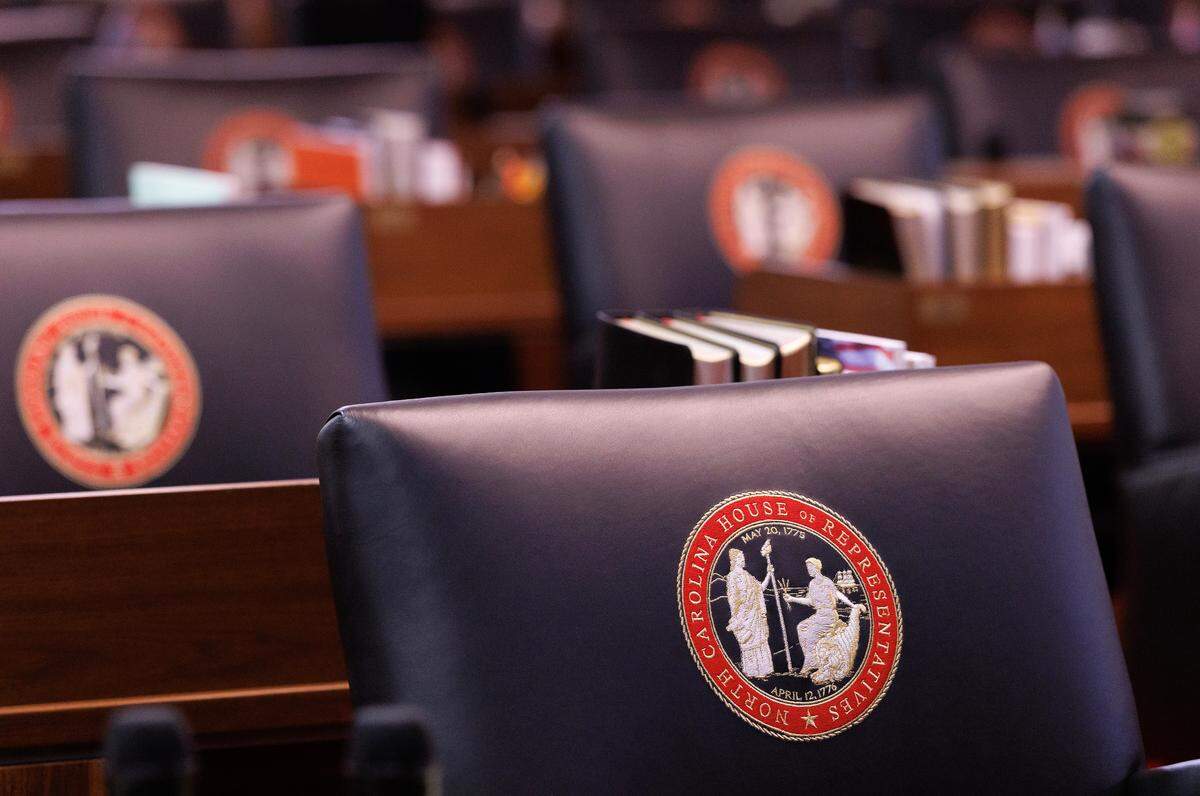
If no budget becomes law, there’s no government shutdown. State law allows, through a continuing resolution, for state spending levels to remain the same as they were under the most recent budget.
That can be a problem when additional money is needed. Hence, since this year’s budget is late again, lawmakers passed a smaller budget bill in July to address immediate needs like Medicaid expenses — though not as much as state officials say is needed to avoid cuts — and approving step-increase raises.
In even-numbered years, the two-year budget bill should become law and lay out spending for the next two years. But in odd-numbered years, lawmakers can, and usually do, pass a shorter, adjustment budget bill. Those amended budget bills may include additional raises or add spending on projects.
2019 budget drama with House override, then no budget at all
The 2019 budget cycle was the most significant in recent history because there was no comprehensive budget passed at all. With Democrat Roy Cooper as governor, and the General Assembly majority Republican, the leaders of both major political parties needed to come to an agreement.
But they didn’t.
That summer of 2019 dragged out as Cooper and top Republican lawmakers argued over the main reason Cooper vetoed the budget: it did not include Medicaid expansion.
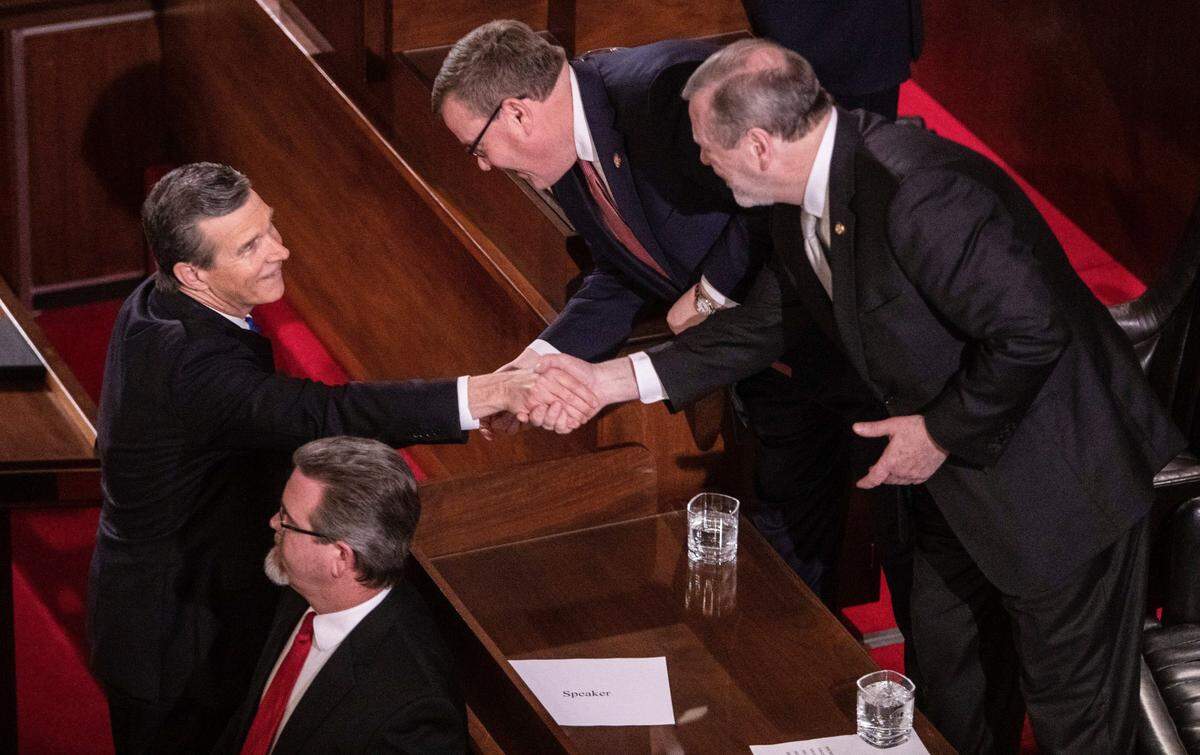
So House Republicans left the veto override on the daily calendar until they had the three-fifths required votes to pass it. That didn’t come until after Labor Day.
House Republicans saw their chance to successfully defeat Cooper’s veto on Sept. 11, 2019, during a morning session when most Democrats were absent, thinking that there would be no votes that morning. Republicans overrode Cooper’s veto amid vocal protests from Democratic Rep. Deb Butler.
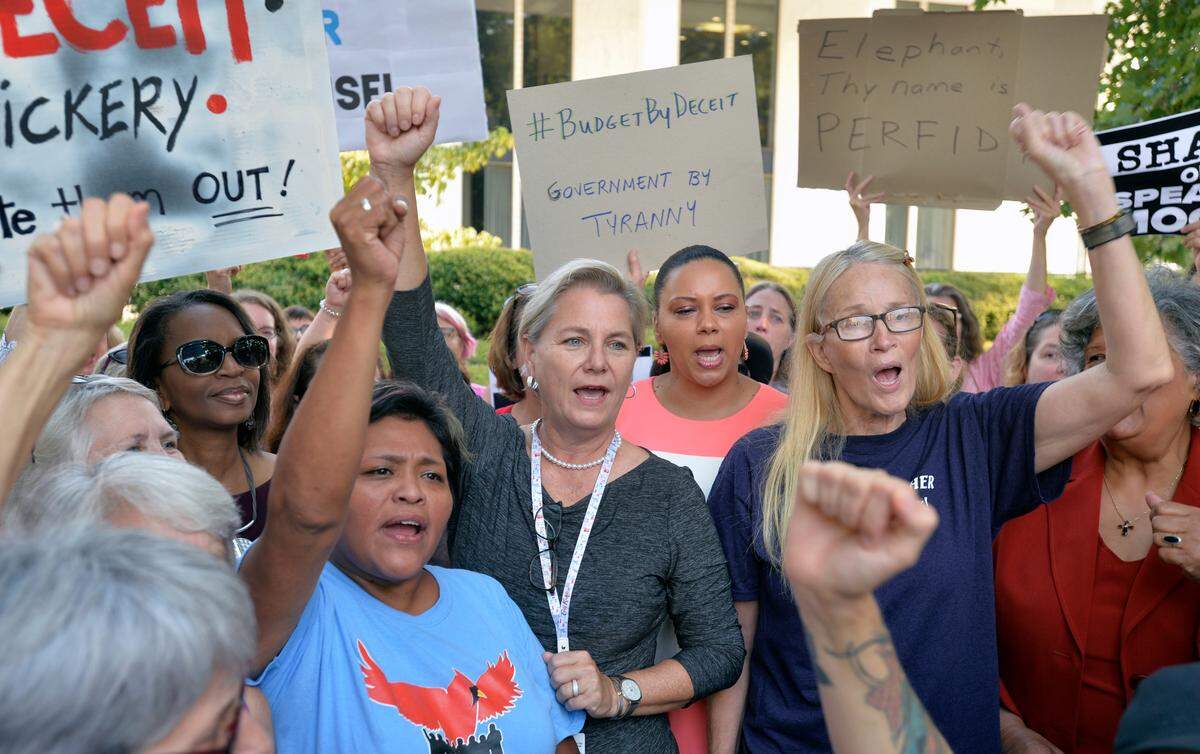
But you can’t overturn a veto without both chambers overriding it. Republican Senate President Pro Tempore Phil Berger never called the vote at all, because the math wasn’t in Republicans’ favor and they couldn’t convince a Democrat to vote with them.
Instead, Berger and then-Speaker Tim Moore ushered through a series of smaller funding bills, which became known as mini budgets. The budget battle even extended into a one-day session in January 2020, when a veto override of a mini budget bill, which would have given teachers raises, failed.
Soon after, attention turned to the coronavirus pandemic and spending federal COVID-19 relief funds.
In 2021, NC budget so late it was nearly Thanksgiving
The 2021 two-year budget bill did become law, but not until it was nearly Thanksgiving that year.
With Cooper still in the Executive Mansion, it was a battle between Cooper, Berger and Moore. But this time, with the pandemic still a factor, there were more issues at play.
Some Democrats had a place at the negotiating table, including swing Democrats who had voted with Republicans on early versions of the budget. Rather than sending Cooper a final budget that he’d veto the parties hashed out a deal.
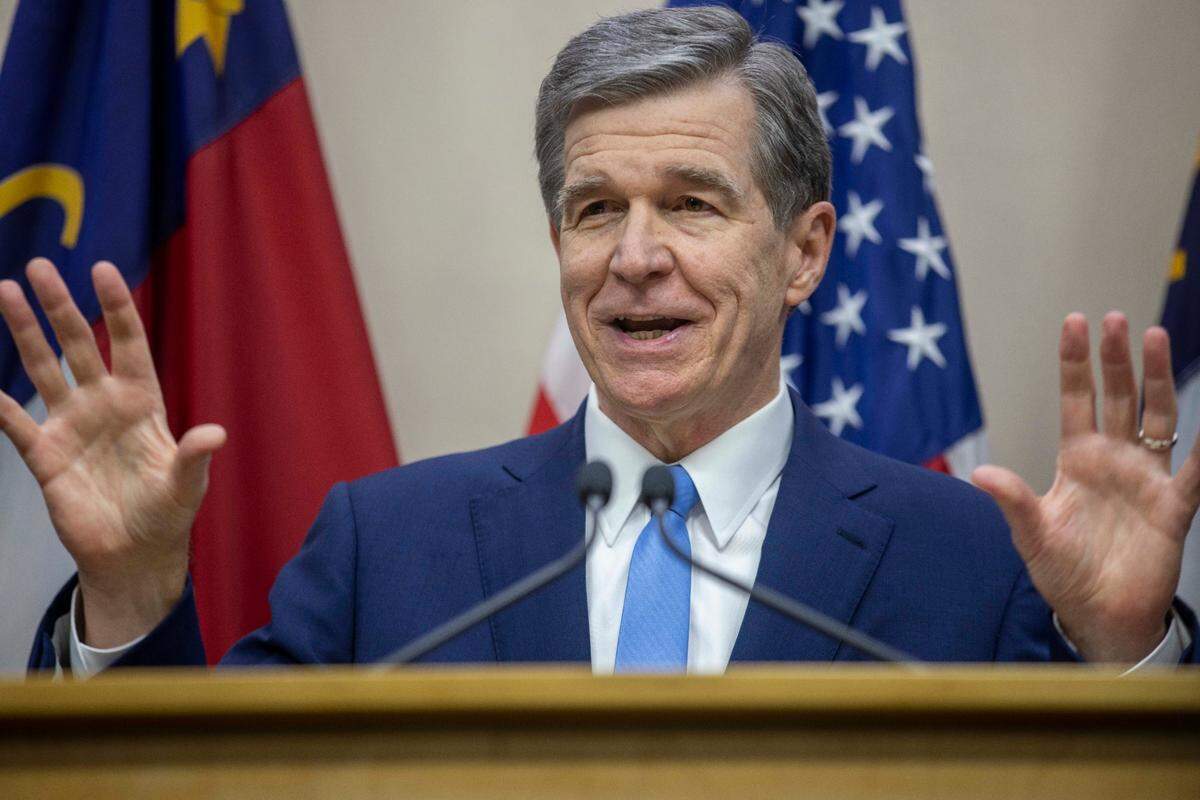
This time the budget, more than four months late, included some of the big-ticket items that Democrats prioritized, like raises, and tax cuts, like Republicans wanted.
What ended up being a two-year budget stalemate came to an end on Nov. 18, 2021, when lawmakers passed a final budget bill and Cooper signed it the same day.
2023 budget became law in October
Lawmakers and Cooper managed to reach a deal in the next two-year budget cycle — late again, but not as late.
In 2023, the budget deal arrived in late September. This time the battle was between Republicans, over gambling.
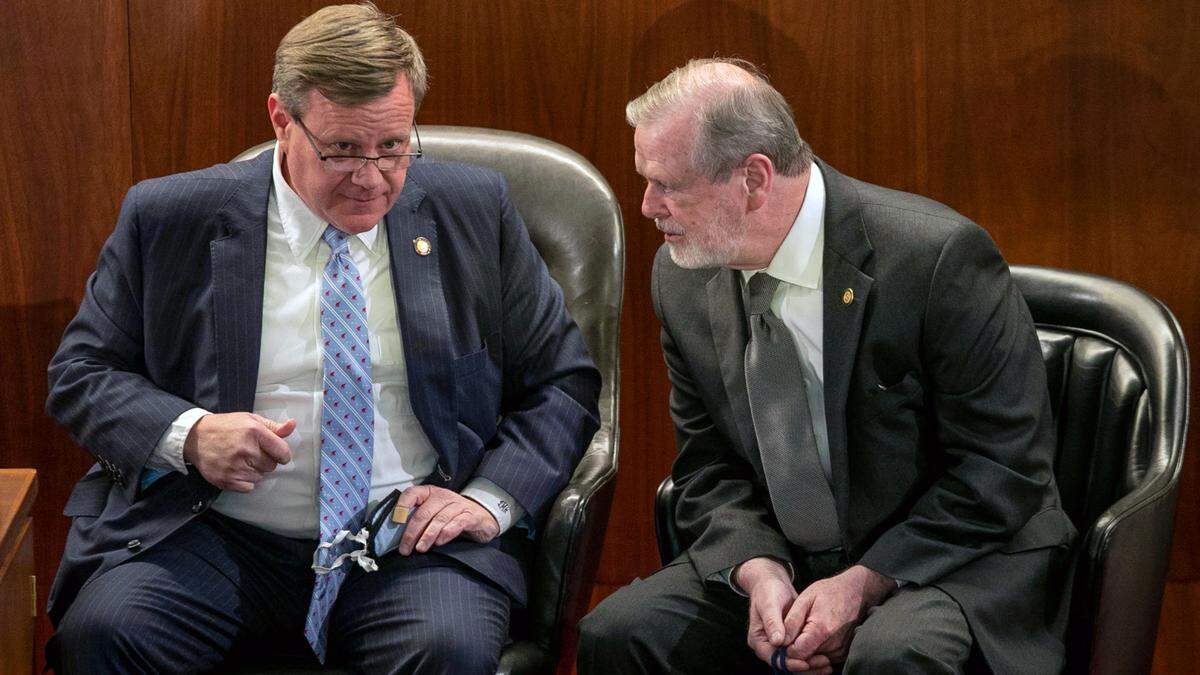
It also included Medicaid expansion, a deal reached several months prior but tied to final passage of the budget. Cooper let the budget become law without his signature on Oct. 3, 10 days after it was sent to his desk.
When will the 2025 state budget pass?
After no action this past week, the House and Senate are set to return again on Sept. 22.
The major players in budget negotiations have changed. The governor now is Democrat Josh Stein. The House speaker is Republican Rep. Destin Hall. Berger is still Senate leader. Republicans are one vote short of a supermajority.
The current budget battle is over future tax cuts. If Hall and Berger reach a compromise soon, they could pass a budget bill before the end of September.
Sept. 22 is also the first day of fall.
This story was originally published September 2, 2025 at 6:00 AM with the headline "Is a late state budget unusual for NC? Why and how it’s happened before."