With Duke and Aetna fighting, NC State Health Plan lays out contingency plan
AI-generated summary reviewed by our newsroom.
- Duke and Aetna remain in contract talks as Oct. 20 deadline approaches.
- NC State Health Plan prepares transition services for 40,000 affected members.
- Out-of-network shift could raise out-of-pocket costs for state employees.
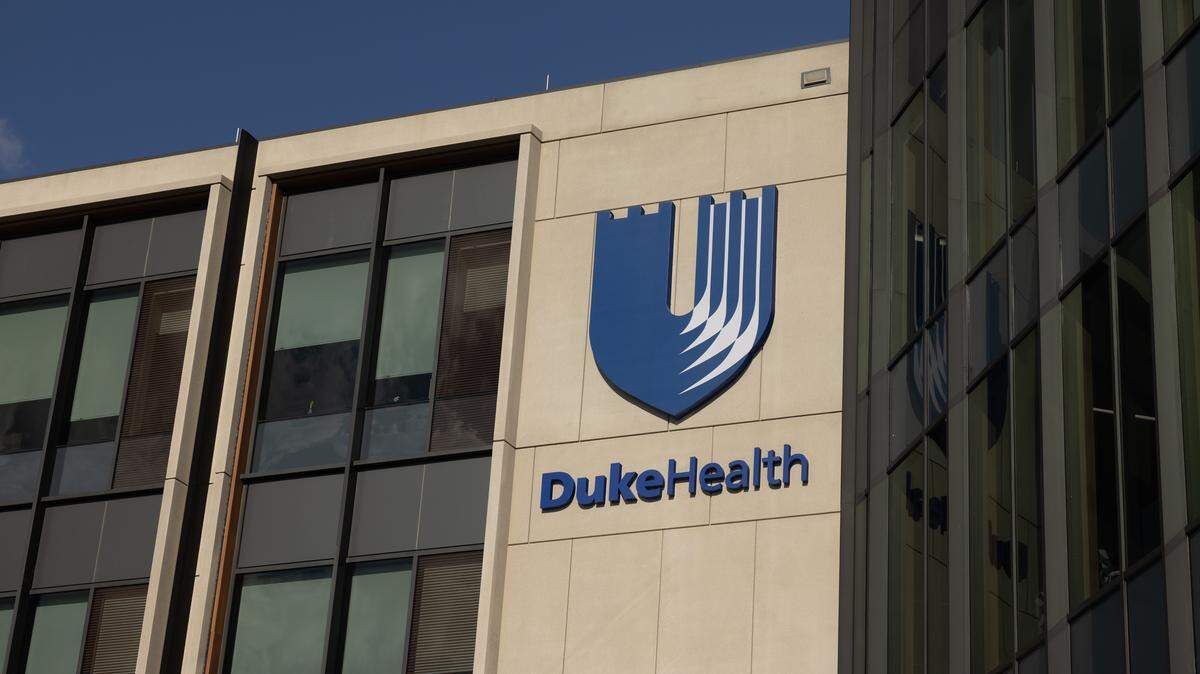
As a contract dispute between Duke Health and Aetna threatens access to care for state employees, the North Carolina State Health Plan board voted Friday to ensure “white glove service” for members who may lose in-network access — offering extra support to help them navigate their options.
Unless the two sides reach a deal by Oct. 20, Duke will go out of network for Aetna-insured members, including many state employees, driving up out-of-pocket costs. The State Health Plan’s two main options — a base plan and an enhanced plan — are both administered by Aetna. Those plans cover active employees as well as some retirees.
At an impromptu board meeting Friday, State Treasurer Brad Briner placed the blame on Duke for failures to reach a deal.
“Duke has chosen to try and force Aetna to pay them substantially higher rates on top of what are already some of the highest rates we pay,” Briner said. “Duke is demanding a significant raise on the backs of our hard-working employees. If we end up out of network, Duke is the one who made that choice. They will have made that choice that their financial goals are more important than their mission to serve.”
Briner criticized Duke’s approach, saying the hospital system initiated the negotiation and then used “very aggressive tactics” aimed at scaring members, referring to “multiple letters” and “incessant” radio ads urging patients to pressure Aetna.
Stephanie Lopez with Duke Health media relations shared a statement on behalf of the company saying it is “in good-faith negotiations with Aetna to ensure patients covered by Aetna insurance plans continue to have uninterrupted access to their trusted Duke Health physicians and specialists.”
The goal, Lopez said, is to “secure fair and sustainable reimbursement rates that reflect the true cost of delivering high-quality care. Despite escalating costs in pharmaceuticals, supplies, and labor, Duke Health has not received a rate adjustment from Aetna in four years. We are asking for modest increases that are less than the rate of inflation.”
She said Duke recognizes the pressures the State Health Plan is facing but that less than 6% of plan members receive care at Duke and “the modest increases we’re seeking from Aetna would have minimal to no effect on premiums.”
The State Health Plan in August approved premium increases for next year to address a $500 million deficit for 2026.
Lopez said Duke has agreed to reimbursement that “compensates health care providers who delivers the highest quality care most efficiently and lowers total cost of care, a goal both Duke and Aetna share.”
Spokesperson Shelly Bendit said in an email on behalf of the insurer that Aetna is negotiating “in good faith,” stressing its responsibility to keep health care affordable and noting that payments to providers participating in its networks directly impact costs.
“North Carolina has among the highest health care costs in the country and Aetna is unwavering in our effort to protect our North Carolina members from additional escalations in costs,” the company said.
Insurers pay hospitals and doctors based on negotiated rates, often at a discount. Patients’ out-of-pocket costs for in-network care — the portion not covered by insurance — are calculated from that discounted rate. If Duke goes out of Aetna’s network, patients could face higher bills because insurance may cover little or nothing for out-of-network care.
Treasurer’s office communications director Loretta Boniti said around 22,000 State Health Plan members list Duke as a primary-care provider and around 40,000 members filed a claim with Duke in the last year.
What does the help for State Health Plan members entail?
Briner said “at this moment” he did not think Aetna and Duke were close to an agreement, so the health plan was making contingency preparations.
He said about 2,800 State Health Plan members who use Duke Health have courses of treatment protected under state law, primarily cancer patients and those in maternity care. For the foreseeable future, “they will not be turned away, but there is some paperwork that’s required to do that,” he said.
For those who do not qualify for continuation of care, Briner said Friday’s motion authorizes the health plan to hire a transition services vendor to personally assist each affected member. He said that’s a step the plan has never taken before.
Asked for more details on this, Boniti told The News & Observer that staff “is still working through what outreach Aetna will be doing and if we need to supplement their effort.”
“If the Plan does need to supplement through another vendor, we will utilize one we already have contracted so we can act quickly,” she said.
Members who could be affected — those who have Duke as their primary care provider or who filed a claim at Duke this year — have already begun receiving letters about the possibility of Duke going out of network, said Beth Horner, State Health Plan chief of staff. The notices include instructions on how to request a “transition of care” form, which must be completed by the member and their physician and then returned to Aetna.
Horner said the plan has asked Aetna to dedicate a special team to call affected patients, with priority outreach for those in active treatment — such as cancer care, maternity care or who have scheduled surgeries. Team members will help complete paperwork. The plan ultimately intends to call all affected members, helping them either complete the transition-of-care process or find a new provider if they currently see a Duke doctor, Horner said.
Executive Director Thomas Friedman said he has been working with leadership at UNC Health and WakeMed, as well as other providers, who have “stepped up. They’re putting plans in place to serve virtually or in person more State Health Plan members and ensure our members have access to care.”
Friedman added that premiums will not change again next year. The Duke negotiations could affect 2027 premiums but not 2026, he said.
Other contract disputes are also unfolding, including between UNC Health and Cigna, and between WakeMed and UnitedHealthcare.
This story was originally published September 26, 2025 at 1:58 PM with the headline "With Duke and Aetna fighting, NC State Health Plan lays out contingency plan."