
North Carolina homeowners in limbo as they await FEMA buyouts after Helene
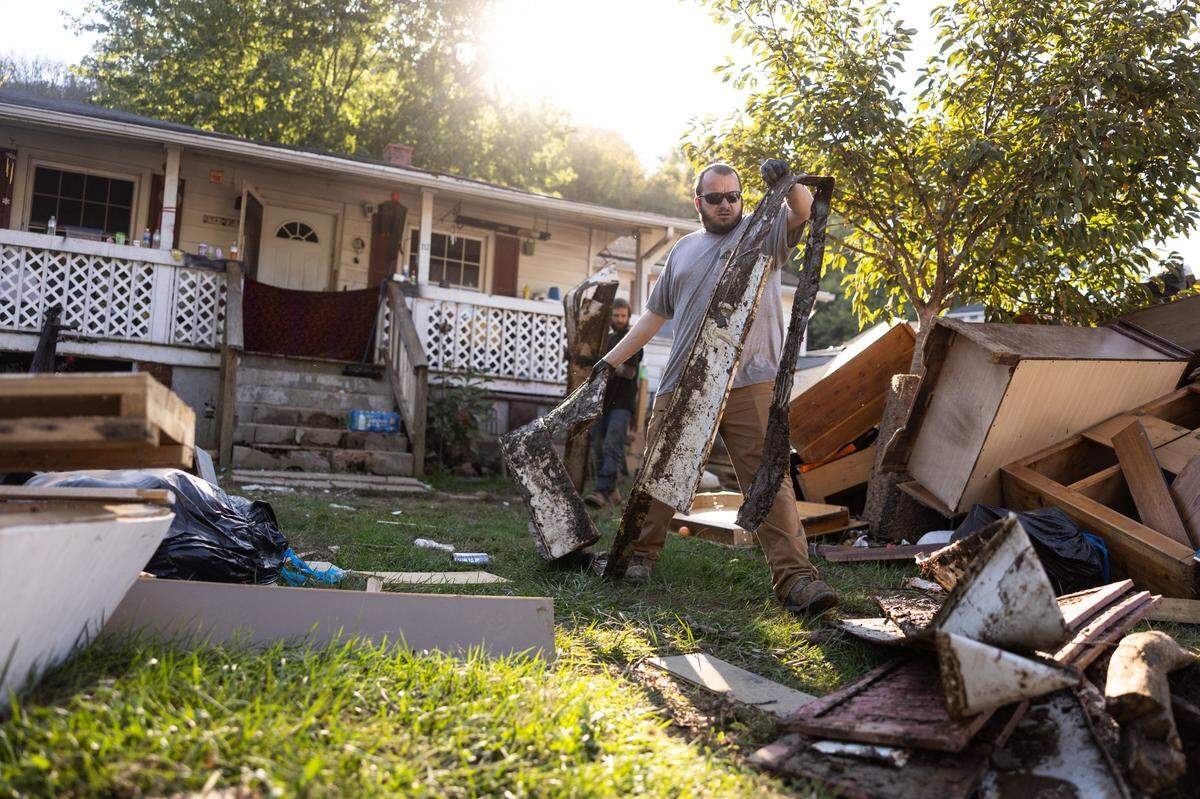
Hundreds of North Carolina residents whose homes were badly damaged by Hurricane Helene are still waiting for aid from a FEMA program that promises to buy homes or help make them more flood resistant ahead of future disasters.
Despite state officials submitting requests for home buyouts to FEMA — some months before the federal government shutdown started on Oct. 1 — none have been approved, state officials say.
While the hazard mitigation application and review process is known to take longer than other short-term relief programs, North Carolina officials say the process after Helene has been unusually slow.
FEMA officials did not respond to a request for an interview. But an email they forwarded included previous posts on social media where FEMA disputes that it is not moving quickly enough. Pending applications for buyouts in North Carolina do not meet federal program standards, one post says.
Those assertions are “patently false,” according to Justin Graney, external affairs chief for the state’s emergency management office.
As FEMA and state officials feud about who is to blame for delays, many families are left paying mortgages and taxes on homes that are too flood-damaged to live in.
“You’ve got hundreds of families that are currently waiting for a decision from the federal government before they can move on with their lives,” said Matt Calabria, director of the Governor’s Recovery Office for Western North Carolina.
Helene survivors in North Carolina wait for millions
At the center of this dispute is FEMA’s Hazard Mitigation Grant Program. Grants awarded through the program are designed to help reduce future damages in flood-prone areas.
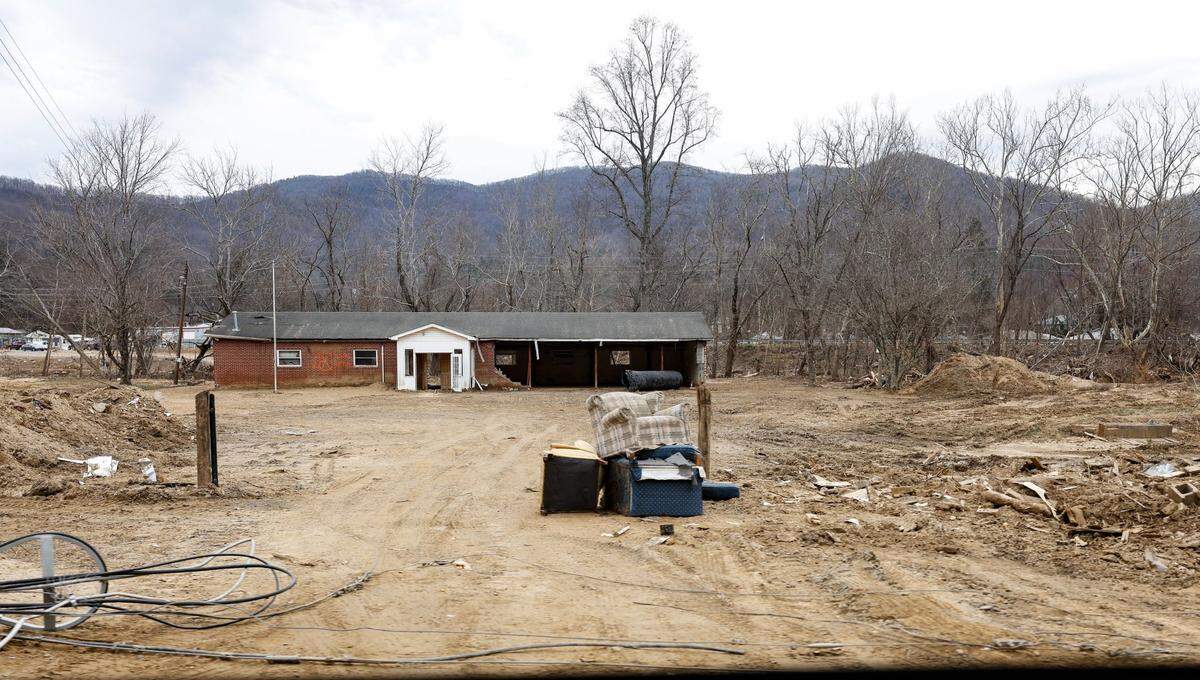
State officials have submitted applications to have FEMA either buy or elevate more than 400 homes in known flood zones since February, which if granted, would add up to more than $200 million in funding. A small number of those requests were for homes in Mecklenburg County.
But as of Oct. 28, only about 10% of requested funds through the program — $20.7 million — has been awarded, according to North Carolina Emergency Management. And those approvals have been for engineering and planning support, not home buyouts.
“We understand this to be an outlier, and beyond that, what’s clear is that FEMA can move more quickly, but it is not,” Calabria said.
An email that FEMA sent in response to an interview request about the mitigation-grant program contained text identical to a thread of Homeland Security posts on X published on Oct. 16. Included was this:
“The majority of the remaining applications related to the ‘homeowner buyout activities’ are currently deemed ineligible due to not meeting the federal acquisition standards set forth in 44 CFR §80.13, which are designed to ensure properties purchased with federal funds remain open space in perpetuity.”
But no requests for acquisition of properties have been deemed ineligible to date by FEMA, according to Graney of the state emergency management office.
In some cases, the North Carolina Department of Transportation needs permanent access to a portion of the properties in the state’s applications to rebuild destroyed roads. That requires additional coordination with FEMA, since bought out properties are otherwise required to be converted to open space. But those represent a small portion of the applications, Graney said.
Four North Carolina application bundles awaiting approval by Homeland Security secretary Kristi Noem don’t have that complication, Graney said. They include requests that FEMA buy 51 homes in Buncombe and Henderson counties.
Only two of 19 unapproved application bundles were submitted to FEMA after the federal shutdown began.
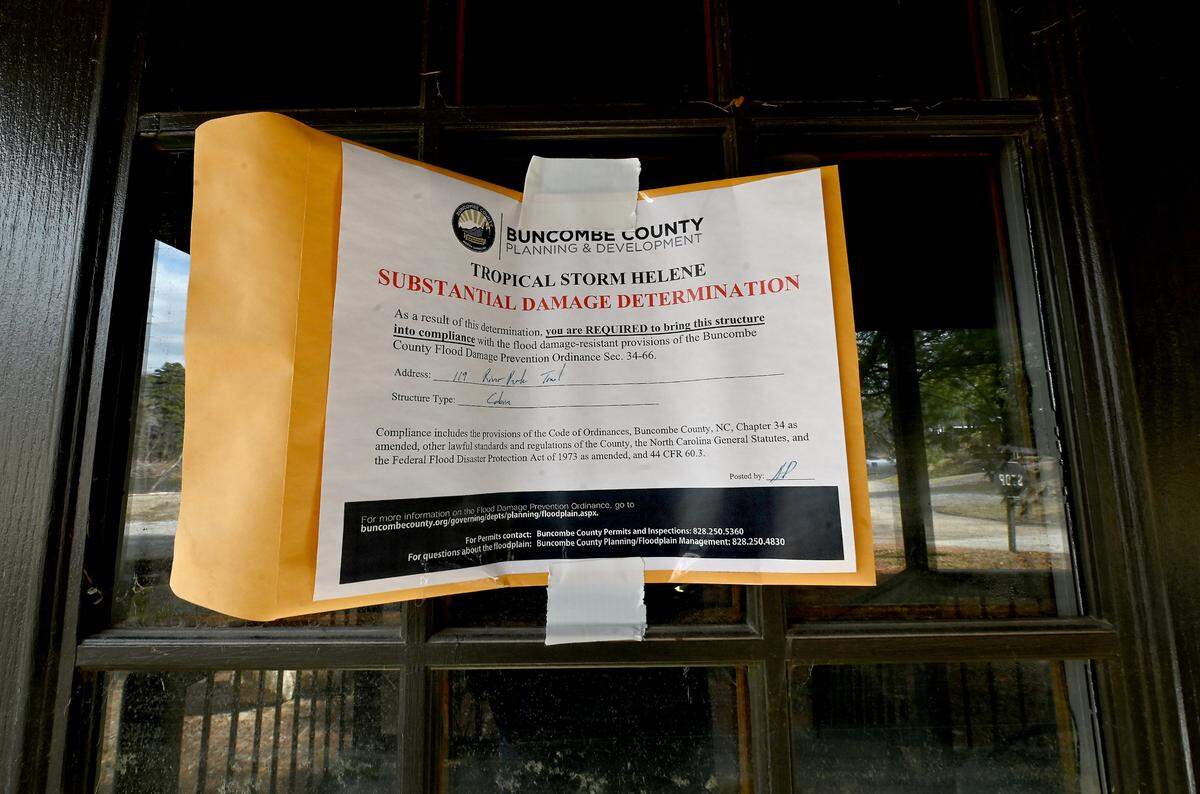
Requested hazard mitigation grants are not the only FEMA dollars that North Carolina hasn’t seen. Multiple county officials in Western North Carolina have repeatedly said they’re still waiting for tens of millions in FEMA reimbursements for cleanup and recovery. FEMA workforce reductions, as well as a more complex funding approval system, have led to unusual delays in reimbursements, The Washington Post reported last week.
FEMA funding in flux
FEMA’s finances saw wild swings throughout the previous fiscal year, which began on Oct. 1, 2024, just days after Helene devastated western North Carolina.
In December, the agency predicted its Disaster Relief Fund — its primary pot of money for recovery efforts — would operate in the red by January, a shortfall that would worsen throughout the fiscal year.
Congress provided an additional $29 billion that month to help the agency address unmet needs from the previous year, pushing its fund exhaustion date to mid-2025. A congressional action in March extended another $22.5 billion for the fund.
Despite those cash infusions, FEMA’s overall disaster relief fund was expected to fall short by nearly $8 billion at the end of the fiscal year, its April report shows.
But according to FEMA’s own accounting, it ended the fiscal year with at least a $9 billion surplus in the fund, FEMA documents reviewed by the Charlotte Observer show.
That’s thanks to less spending than anticipated, in large part because of project delays — including review delays — across aid efforts throughout the U.S., the documents indicate. The agency attributed more than $730 million in decreased hazard mitigation spending in 2025 to “delays,” at least in part.
In Western North Carolina, FEMA spent $19 million less than expected on hazard mitigation payouts thanks to unspecified project delays, the agency’s latest budget documents show.
The grant mitigation approval process tends to take longer than some other FEMA programs, said Lynn Budd, immediate past president of the National Emergency Management Association. But she wonders if FEMA’s desire to not seek more funding could also be a motivator for the agency to slow walk mitigation-grant approvals.
“I think that slow rolling this, as well as other disaster funding, is certainly a strategy that could be employed to make the end of the year look better,” Budd said. Whatever the cause, it’s hurting North Carolinians, said Graney, the state emergency management external affairs chief.
“These homeowners have endured months of living in limbo while FEMA delays the decision to approve or deny the applications for these two counties, which meet all federal requirements and are congressionally authorized,” Graney said in a written response to questions from the Observer.
This story was originally published October 31, 2025 at 5:30 AM.