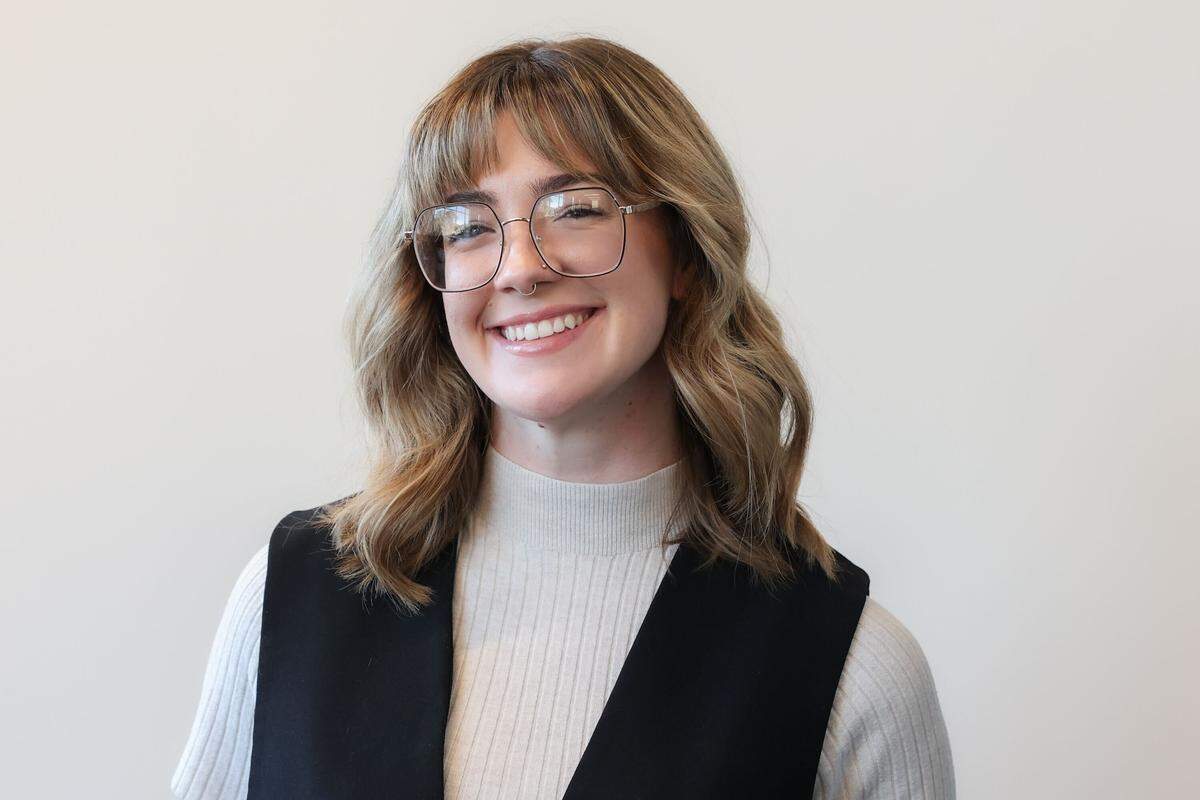
For the first time, a woman will hear federal cases on Charlotte’s top bench
Susan Rodriguez was promoted into prominence this week when the U.S. Senate confirmed her lifetime appointment as the first woman to serve as a district judge in North Carolina’s federal courts in Charlotte and Asheville.
The U.S. District Court for the Western District of North Carolina has only had white men serve as trial judges — also known as district judges or Article III judges — in its 150-year history. As of 2023, that distinction was held by only four of the country’s 94 federal districts.”
Senators this week confirmed all four judges President Donald Trump had nominated in August to fill vacancies in U.S. district courts for the Western and Middle districts of North Carolina. District judges hold lifelong appointments and hear most trials. Three of the four judges approved for the role this week received bipartisan support.
Rodriguez will serve alongside Judge Matthew Orso in the Western District. Judges David Bragdon and Lindsay Freeman will serve in the Middle District.
One Western District seat sat open for three years while the state’s Republican senators came to a stalemate with the Biden administration, The Charlotte Observer previously reported. While the vacancies didn’t create judicial emergencies and unmanageable caseloads like those in California, Florida and Texas, they did strain the system and raised questions about why senators and the White House were unable to usher in at least one qualified candidate.
GOP Sens. Thom Tillis and Ted Budd prioritized filling the Fourth Circuit vacancy instead, the Observer reported. That vacancy, created by Judge James Wynn Jr., was reversed when he revoked his retirement.
New judges deciding NC federal cases
The U.S. District Court for the Western District of North Carolina includes growing urban areas such as Charlotte, Asheville, Gastonia and Statesville, and stretches from Charlotte to the Tennessee border. Its vacancies were created when U.S. District Judge Frank Whitney and U.S. District Judge Bob Conrad announced their moves to senior status and lighter caseloads.
The Charlotte Observer last year reported that Rodriguez had been floated as a possible successor. The Republican worked as a legal policy adviser at the Department of Homeland Security and in 2005 worked in the White House Office of the General Counsel, managing judicial nominations and assisting with responses to congressional investigations.
She has served as a magistrate judge in the district since 2023 and before that was a partner at McGuireWoods LLP. She also clerked for now-Senior Judge Whitney.
Orso was also a partner at Troutman Pepper Locke, where he represented people facing inquiries or enforcement actions from the government, according to its website.
He also clerked for Judge Robert J. Conrad Jr. in the Western District.
Freeman, in the Middle District, is currently an assistant U.S. attorney and previously clerked for the Sixth Circuit Court of Appeals.
Bragdon previously clerked for Supreme Court Justice Clarence Thomas and was the Department of Justice’s Resident Legal Adviser for the Philippines.
A progressive nonprofit, Alliance For Justice, wrote to the Senate Judiciary Committee about Bragdon’s stances on reproductive rights and capital punishment and said he “rejects” the responsibility to “safeguard the Constitution, protect individual rights, and deliver justice for all.”
“Bragdon was pretty controversial and didn’t get any Democratic votes, but the others all did — they were all bipartisan,” said University of Richmond law professor Carl Tobias, who has followed judicial processes for 25 years and unofficially consults with the White House.
He said it was reassuring to see senators work across the aisle to relieve pressure created by the vacancies, and he credited Tillis for long being willing to collaborate with Democrats.
Tillis and Budd in a Tuesday statement said that both Bragdon and Freeman were “exceptionally qualified” and applauded their confirmations.
Editor’s note: This article was updated to reflect which judges created North Carolina’s vacancies.
This story was originally published December 6, 2025 at 5:00 AM.