NC House grills Sheriff McFadden during hearing, keeps things cordial with Charlotte
North Carolina House Republicans focused their ire on Mecklenburg County Sheriff Garry McFadden in a hourslong hearing on safety in Charlotte Monday.
Other local leaders received a warmer reception despite months of consternation following a high-profile killing.
The House Select Committee on Oversight and Reform questioned McFadden, Charlotte Mayor Vi Lyles, Charlotte City Manager Marcus Jones, Charlotte-Mecklenburg Police Chief Estella Patterson and District Attorney Spencer Merriweather in a hearing Monday.
The Republican-controlled committee called the hearing months after the killing of Ukrainian refugee Iryna Zarutska on the Blue Line light rail ignited a flurry of local, state and national debate about Charlotte’s approach to crime prevention. A second stabbing on the light rail in December triggered more controversy.
The oversight hearing was previously scheduled for Jan. 29, but GOP committee leaders pushed it after a court ruling limited their ability to talk about the suspect in the Zarutska case, DeCarlos Brown. Committee leadership alleged in a court motion that ruling was unconstitutional, and a court hearing is scheduled for Wednesday.
Despite the focus on transit safety before the hearing, much of the day was involved committee members and McFadden trading barbs. The embattled sheriff faces four primary challengers in the upcoming March election while under investigation by the State Bureau of Investigations. The SBI’s effort was triggered by a since-dismissed petition to remove McFadden from office that alleged misconduct and mismanagement.
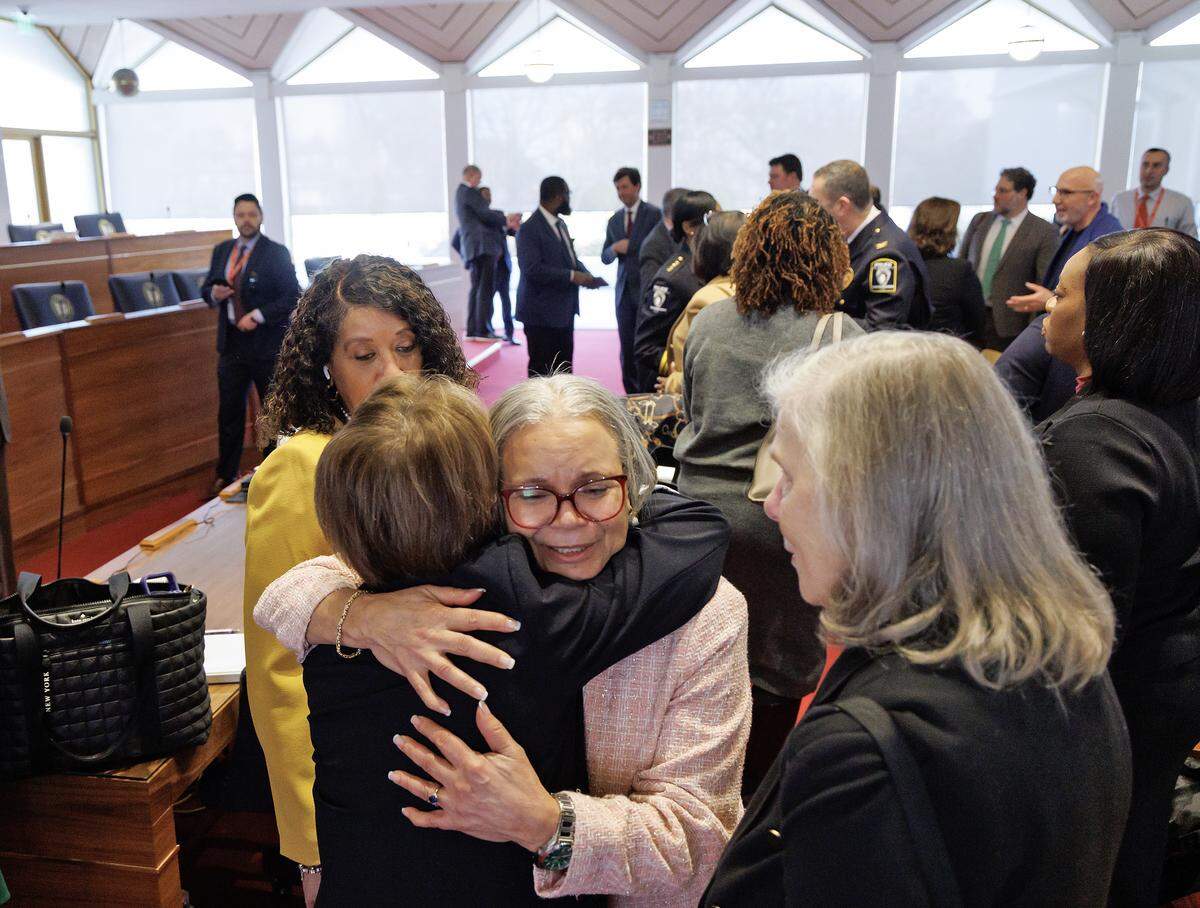
McFadden declined to answer multiple questions during the hearing, citing the ongoing investigation, in a move that appeared to frustrate committee members who accused the sheriff of deflecting blame. McFadden touted that sheriff’s office initiatives he’s launched became models for other state and national programs. McFadden said that, as a Black man and a Democrat, it’s been harder for him to develop relationships with legislators.
“I want a relationship with each and everyone of you all. But will you accept that relationship from me?” he told the committee.
Things were far more cordial when other Charlotte leaders took questions.
Patterson, who took over CMPD in December, said crime is down so far in 2026 after previously falling in 2025. City leaders also answered questions about preparations for other major events in Charlotte, including the 2027 Military World Summer Games.
Few questions were asked about the Zarutska case and safety on public transit.
Committee co-chairman Brenden Jones, a Republican who ran Monday’s hearing, told The Charlotte Observer his main question about transit involved the Charlotte Area Transit System’s spending on safety and security. City leaders told the committee Monday CATS’s security spending is up.
“He answered the question that they are doing more, so we’re going to give them the opportunity to prove themselves,” Jones said of the city manager’s answer.
The committee co-chair said his biggest takeaway from the hearing was that “Mecklenburg has a lot of problems with its sheriff’s department and security.”
A pair of Democrats on the committee, Eric Ager of Buncombe County and Maria Cervania of Wake County, called Monday’s hearing “cynical partisan theatre.”
“Charlotte is a symbol of the importance of our cities, and the legislature wishes to make an example of it to cow other cities into servile submission,” they said in a statement.
Interim CATS CEO Brent Cagle and Mecklenburg County Manager Mike Bryant were also invited to appear Monday but were not questioned by the House committee. Jones attributed that to the lengthy time spent on McFadden and said his committee “will probably absolutely come back to this.”
The Charlotte Observer provided live updates below from Raleigh.
2:35 p.m. City leaders talk safety initiatives, security for major events
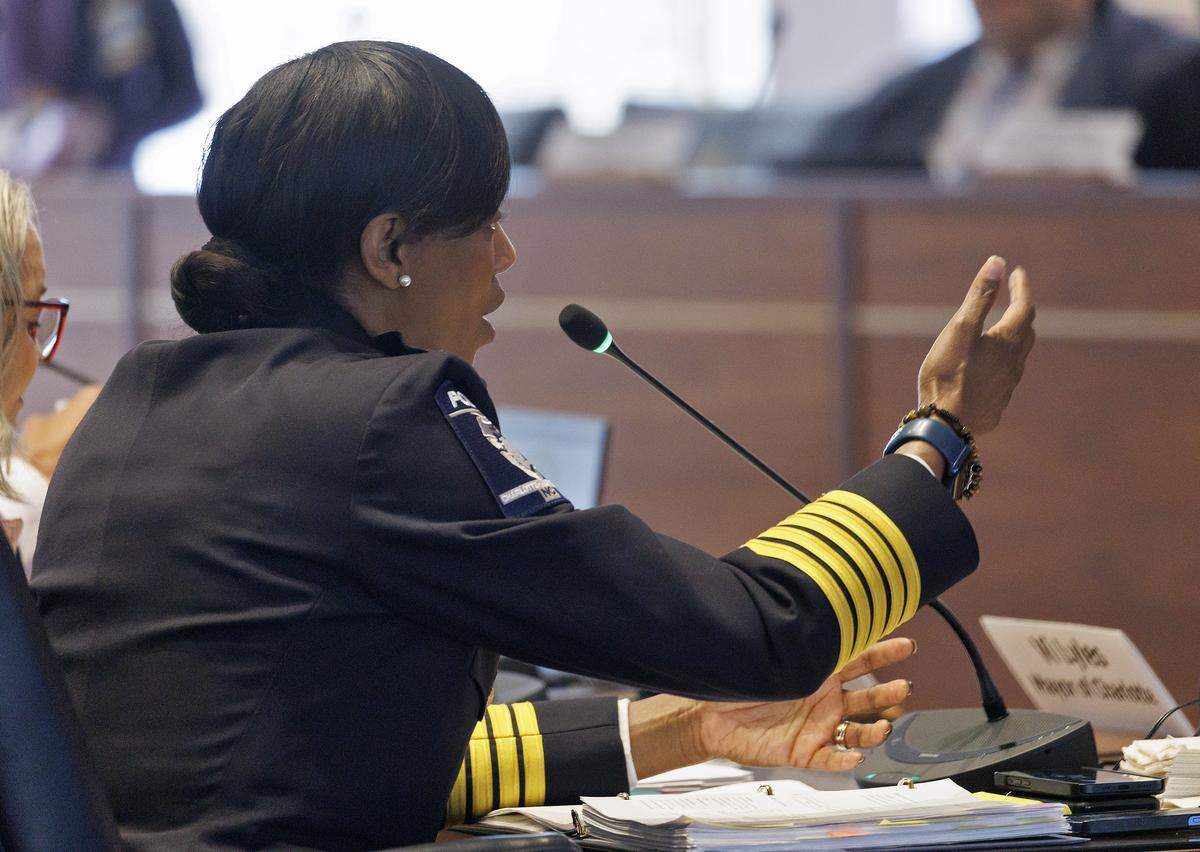
Committee members remained relatively cordial in their questions for Patterson, Lyles and Jones.
They talked about security plans for major events and Patterson’s Operation Safe Season, a December initiative in uptown.
The city team also received questions about the mayor’s Racial Equity Initiative and how it’s spent city dollars. City officials said much of that money went to infrastructure investments like sidewalks in underserved communities.
The House committee also asked about a $3.4 million public relations contract for CATS that raised questions about spending priorities in the wake of the light rail stabbing. The city manager said marketing is just a portion of CATS’ budget and that spending on transit security is up.
The committee adjourned about 2:40 p.m.
After the hearing, the Observer asked Rep. Jones about the tone of the Charlotte questioning — particularly because there had been such sharp GOP criticism of Charlotte for Zarutska’s stabbing and public safety. Jones said the main question about CATS involved funding discussions at the end.
“He answered the question that they are doing more, so we’re going to give them the opportunity to prove themselves,” Rep. Jones said about City Manager Jones. Jones also said the legislature will probably “come back to this” when asked about people invited to Monday’s hearing who didn’t speak.
2:10 p.m.: Patterson asked about ICE, Border Patrol
Cunningham asked Patterson what she would say to people who’ve started to follow ICE and Border Patrol agents during enforcement.
As the Trump administration has ramped up immigration operations in multiple cities, some residents have started following agents in cars and blowing whistles to alert others nearby, Cunningham said. Patterson said people should respect law enforcement and not interfere with police officers doing “lawful work.”
Cunningham said people shouldn’t “put themselves in harm’s way” or “antagonize” federal agents.
Asked by committee members about Border Patrol’s November operation in Charlotte, Patterson said while she wasn’t in office yet and that local law enforcement officers don’t enforce immigration law.
Moving forward, Patterson said she’d like to receive information beforehand from federal agencies planning operations in Charlotte. Patterson said CMPD regularly works with federal agencies on violent crime reduction.
1:40 p.m.: Hearing resumes with CMPD chief
Monday’s hearing resumed with questions for Patterson, who took over in recent months as head of CMPD from Johnny Jennings. Patterson, who previously led Raleigh’s police department, received a warmer reception as she addressed the committee’s questions. One member joked he would ask her which city she likes better.
Patterson said she wants to address staffing shortages and embrace technology and data to improve performance. Asked about her relationship with McFadden, Patterson said the sheriff is a friend but that they don’t tell each other how to run their offices.
Crime is down so far in Charlotte in 2026 after rates of violent crime and property crime fell in 2025, Patterson said.
12:30 p.m.: Committee breaks for lunch after grilling McFadden
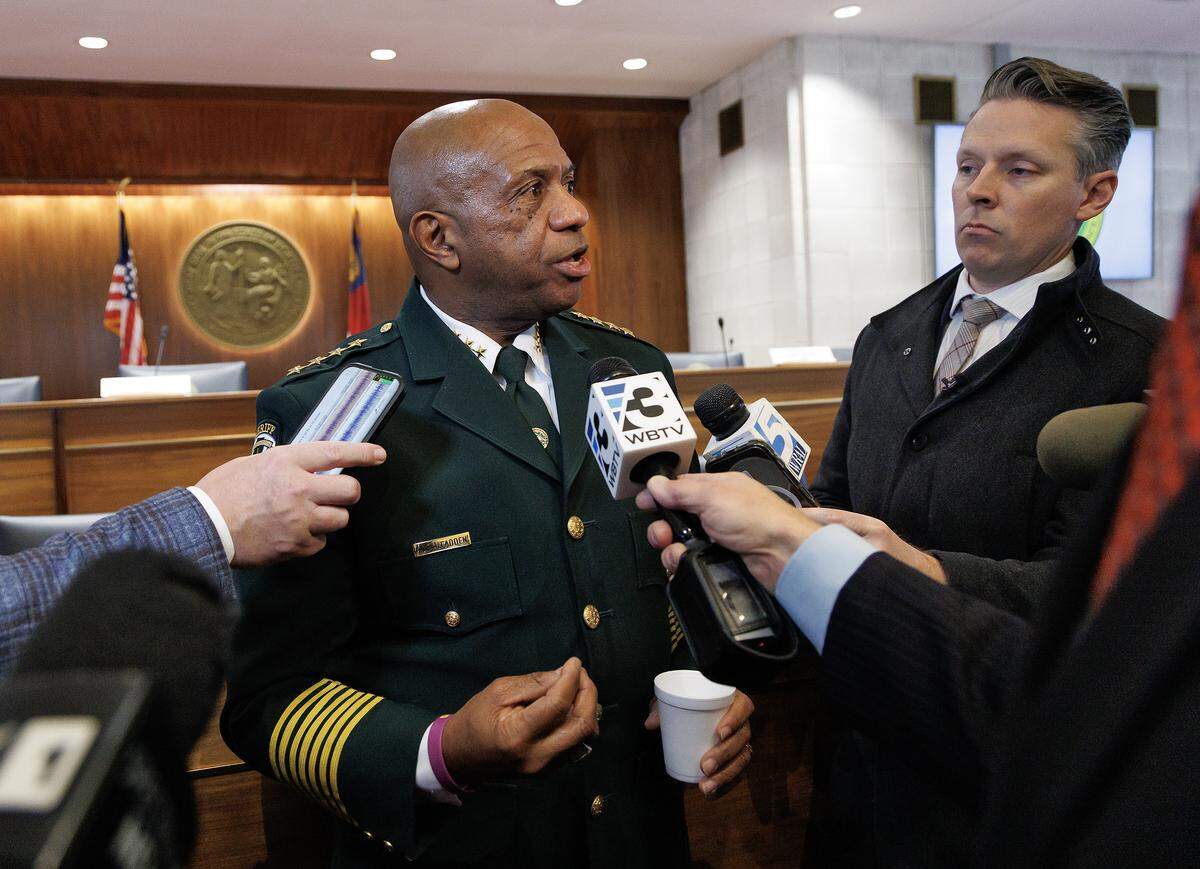
McFadden’s testimony wrapped up after more than two hours, with Jones saying the sheriff ignored the committee’s requests.
Throughout the two hours, the committee probed McFadden about common criticisms against him — at times quoting directly from former employees’ resignations.
Asked what branch of government his position falls under, he said Mecklenburg County. He then couldn’t answer a follow-up asking what the three branches of government are.
McFadden declined to answer some questions, citing an ongoing State Bureau of Investigation probe into his tenure and litigation over deaths at the jail.
He pivoted on multiple occasions to the services the MCSO provides to people in custody to help them transition back into the world after jail time. McFadden repeatedly said his office has been a model for other agencies across North Carolina and the country.
The committee recessed for an hourlong lunch break after concluding its questioning of McFadden.
McFadden told reporters during the break he felt he was painted in a bad light by a politically motivated committee. But he vowed to be more proactive in building relationships with legislators and said he hoped they’d do the same.
11:50 a.m.: McFadden, committee continue to clash
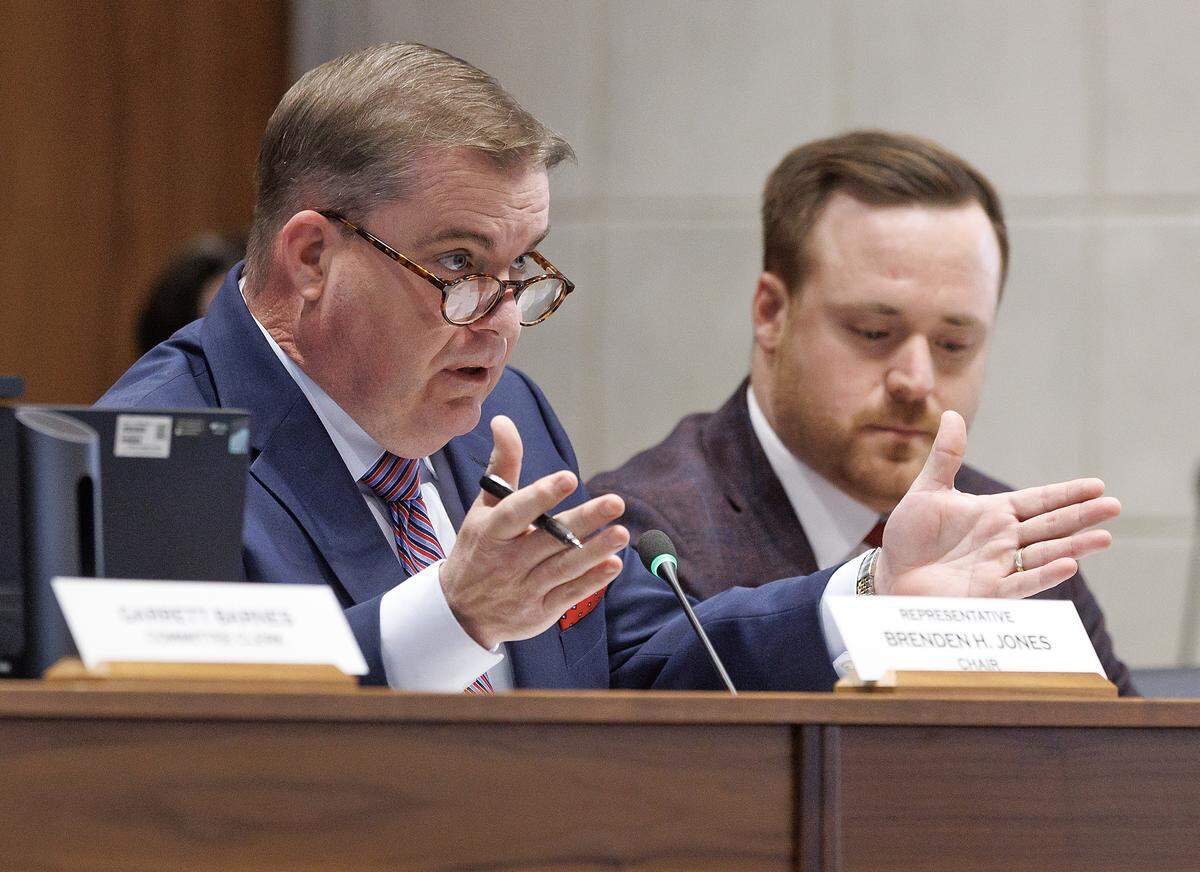
Tensions stayed high between McFadden and the committee as his hourslong testimony continued.
Committee members appeared frustrated with McFadden continuing to decline to answer some questions, citing the petition to remove him from office and litigation over deaths at the county jail. The committee briefly recessed for McFadden to confer with his attorney about what he can and cannot say in Monday’s hearing.
Some committee members accused McFadden of deflecting blame for issues within Mecklenburg’s criminal justice system and questioned him about state policies and laws, such as how frequently jail officers have to check on people in custody and what branch of government his position falls under.
McFadden said as a Democrat and a Black man, it’s been harder for him to build relationships with the GOP-dominated General Assembly than it is for other sheriffs across North Carolina.
“I want a relationship with each and everyone of you all. But will you accept that relationship from me?” he said.
10:35 a.m.: Cunningham questions McFadden about compliance, music studio
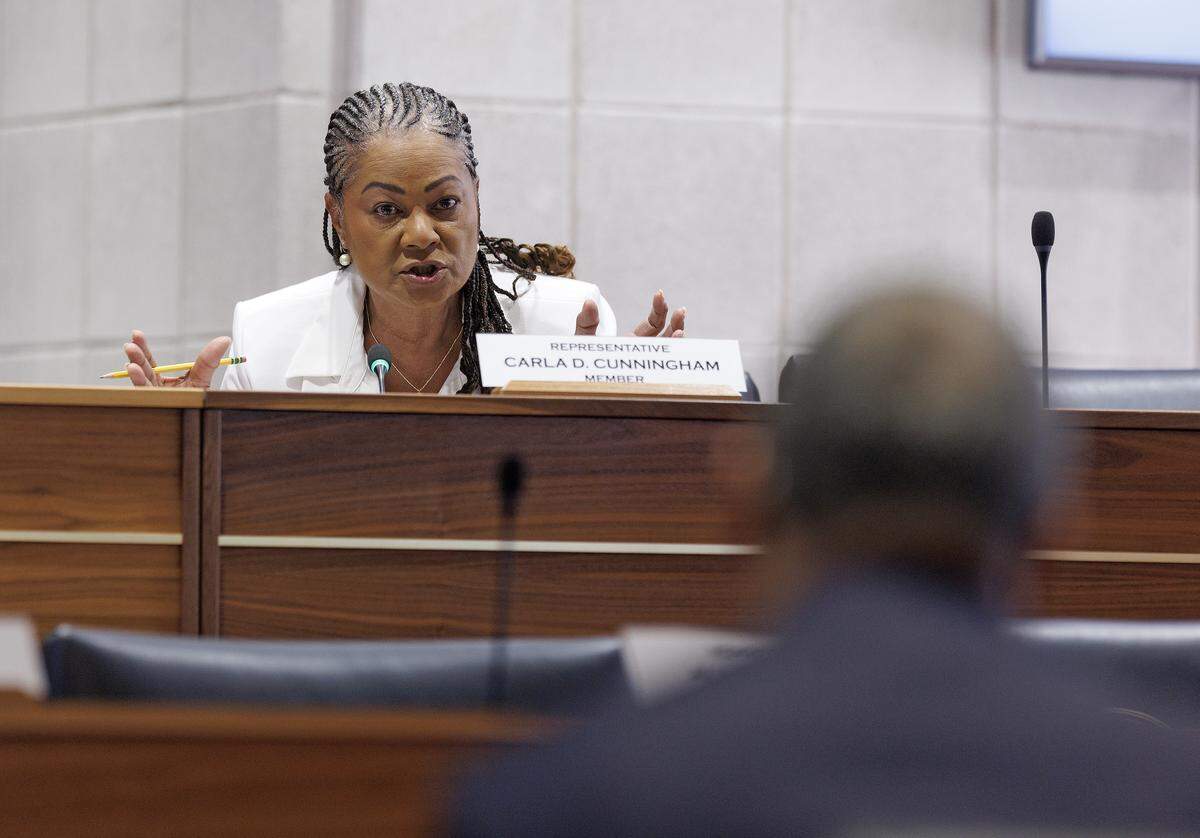
After initially declining to question McFadden citing their legal dispute, Cunningham asked McFadden about his jail policies.
McFadden said he couldn’t answer Cunningham’s question about whether his office is under a corrective action plan from the Department of Health and Human Services because it was part of the petition against him. Cunningham responded that the issue isn’t part of the petition and asked if the MCSO is compliant with DHHS policies, and McFadden said yes.
Cunningham questioned McFadden’s position on more jail inspectors, noting the number of deaths in the county jail during McFadden’s time in office. McFadden said a jail inspector previously “lied about inspections” in Mecklenburg.
Cunningham also asked about the music studio opened in the county jail during McFadden’s tenure and criticism of the program from some crime victims’ family members.
“It is part of rehabilitation. You can look at many studies and see music helps us,” McFadden said, adding he’s spoken with a victim’s family member who criticized the program.
10:20 a.m.: McFadden questioned about ICE
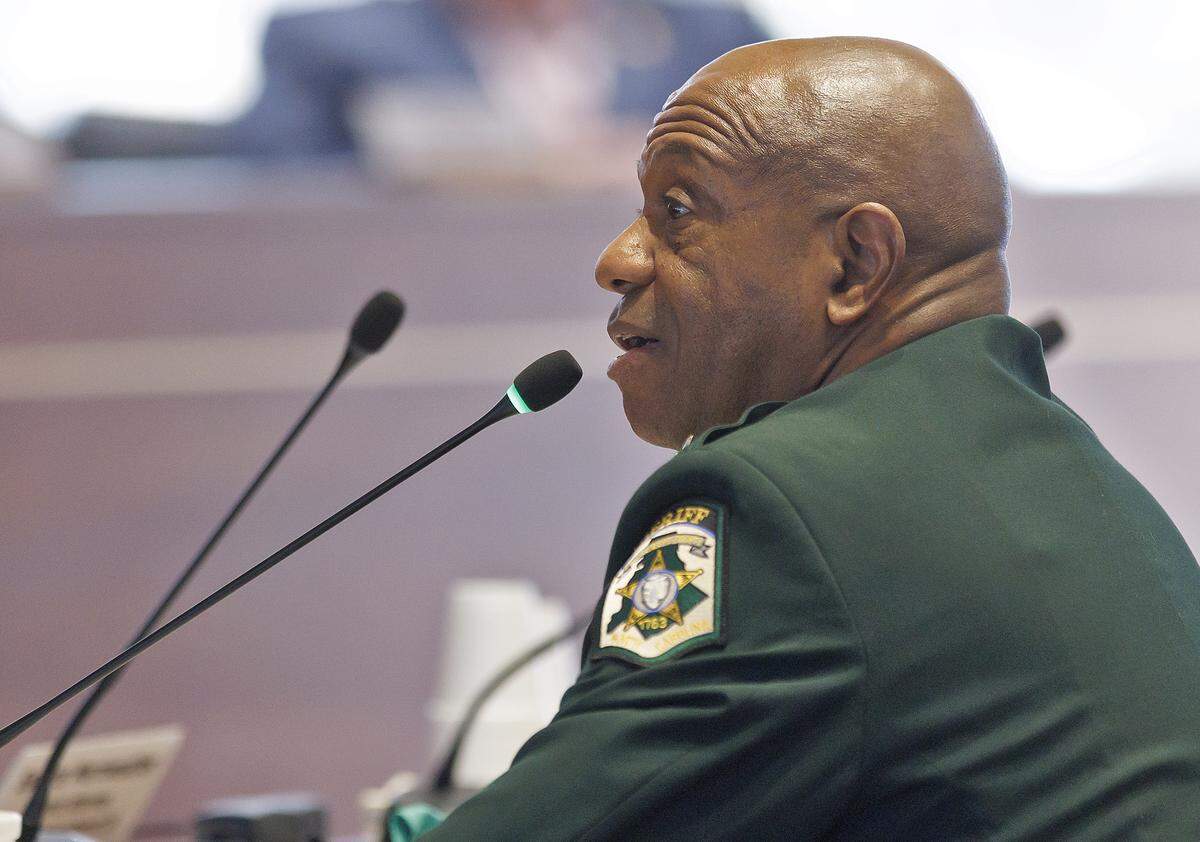
McFadden told the committee his office follows the law when it comes to working with federal immigration officials.
The sheriff has faced criticism from state and federal officials and about his relationship with Immigrations and Customs Enforcement and pushed back on state legislation meant to increase cooperation with ICE.
McFadden was asked about an email the committee said was written by an MCSO staffer that said the office was losing out on grant money because of its immigration policies and whether he’d change his policies to unlock more dollars.
“If my policies did not follow the law, I would change that policy. But my policies have followed the law,” McFadden said.
10:05 a.m.: McFadden questioned about petition allegations
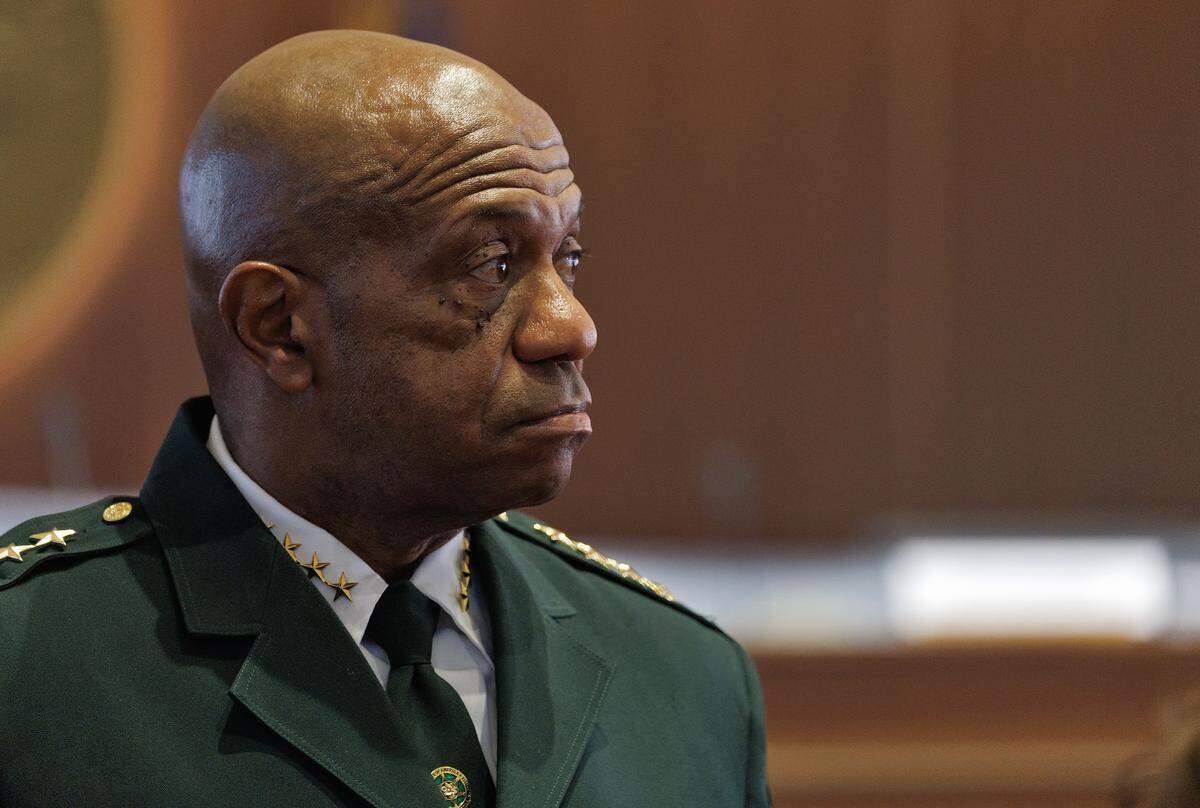
McFadden said he couldn’t respond to direct or hypothetical questions about a petition to remove him from office filed in January, citing an ongoing State Bureau of Investigations probe into the same allegations against him.
“I have to respect the process,” McFadden said.
He noted that one of the committee members, Charlotte Democrat Rep. Carla Cunningham, was among the complainants in the petition.
Cunningham and a group of former Sheriff’s Office employees filed the petition last month, alleging mismanagement and abuse by McFadden. The petition was dismissed in court for procedural reasons but could be revived following the SBI investigation.
Jones attempted to question McFadden about two specific allegations in the petition: that McFadden directed employees to transport dignitaries to bars and strip clubs and that he threatened Cunningham ahead of a vote on a controversial immigration bill.
Cunningham said she had no questions for McFadden, also citing the ongoing investigation.
9:45 a.m.: Merriweather kicks off testimony
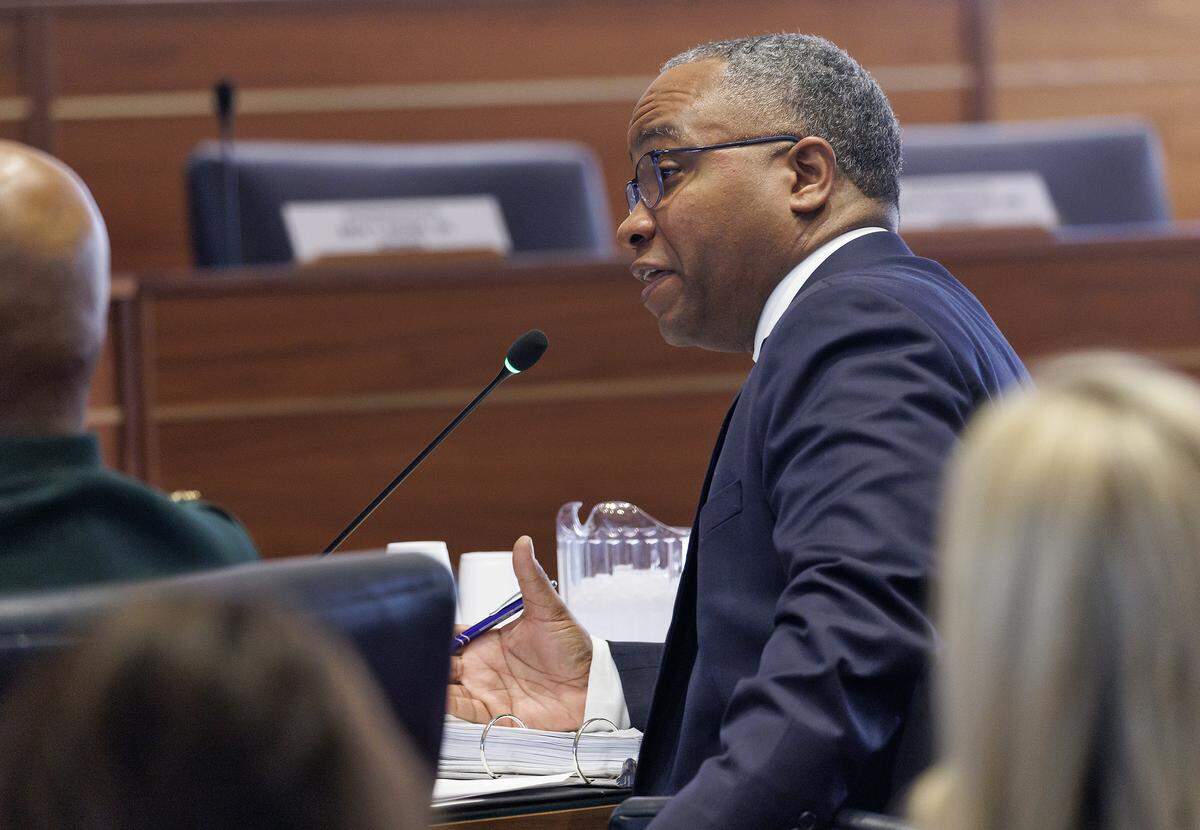
Merriweather was the first Charlotte leader questioned at Monday’s hearing. He was asked about his office’s staffing levels, the impacts of recent state legislation and his office’s handling of repeat offenders.
The District Attorney’s Office is still understaffed despite Iryna’s Law funding new positions, Merriweather told the committee. He noted Mecklenburg County also funds some positions in addition to state money, which he said is “rare” in North Carolina.
Merriweather says his office faces unique challenges compared to other parts of the state given Charlotte’s size. The sheriff’s office focuses mostly on jail and courts staffing rather than daily law and traffic enforcement, which is primarily handled by the Charlotte-Mecklenburg Police Department and other local police agencies.
“Right now we’re not built for the kind of community that we have in Charlotte and Mecklenburg County,” he said. “... It’s a heavy burden.”
Merriweather’s office works with local leaders to identify “hot areas” where criminal activity is higher than average and situations where mental health is a factor in case, he said.
Merriweather said his “default position” is that “people who have committed violent crimes” should be held in custody until their trial, but added that decision is up to a judge who must weigh multiple factors.
9:15 a.m.: GOP committee alleges ‘incompetence’ by Charlotte leaders
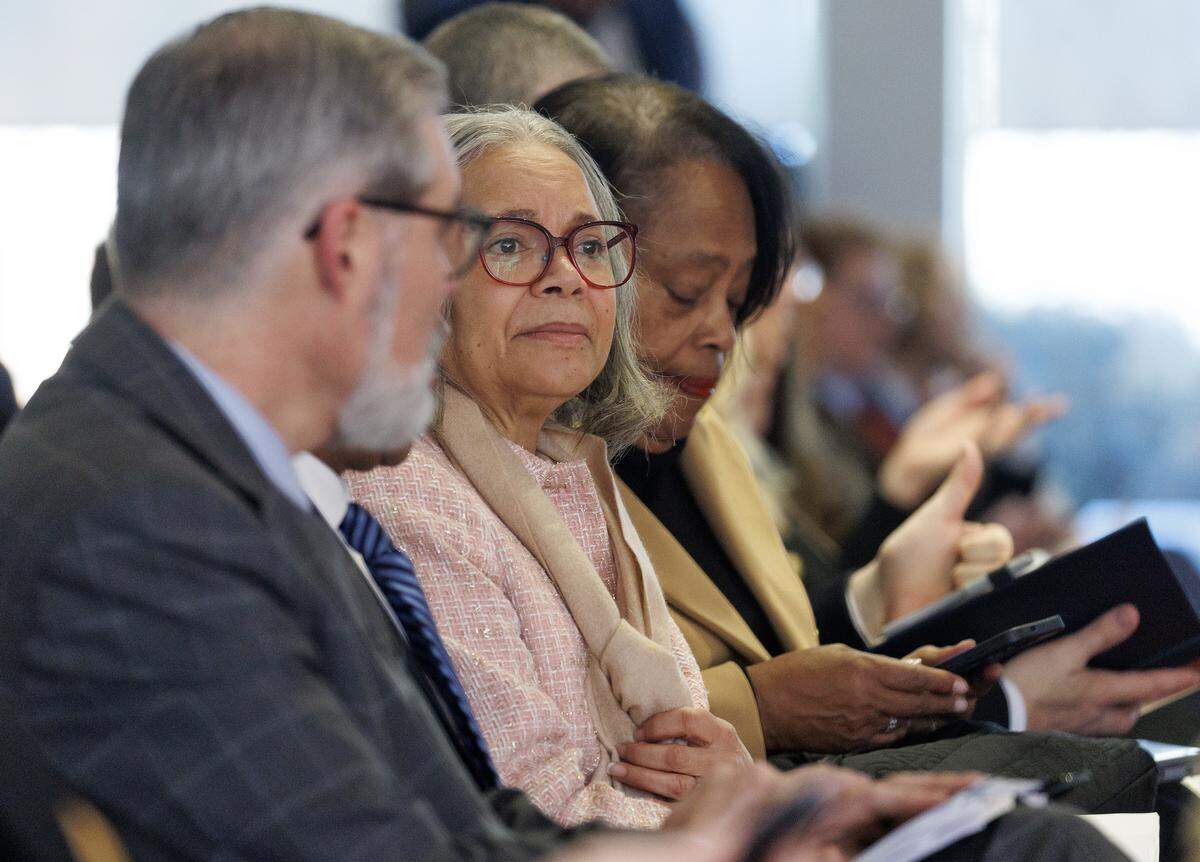
Monday’s hearing began with harsh words from the committee’s Republican leadership, with co-Chairman Brenden Jones accusing the Charlotte’s leaders in the room of “incompetence” that contributed to Zarutska’s killing.
Jones called Brown “a career criminal” and said Charlotte’s public safety policies prioritize diversity, equity and inclusion over safety.
“Her blood is on your hands,” Jones said of Zarutska.
8:50 a.m.: Charlotte leaders arrive for House hearing
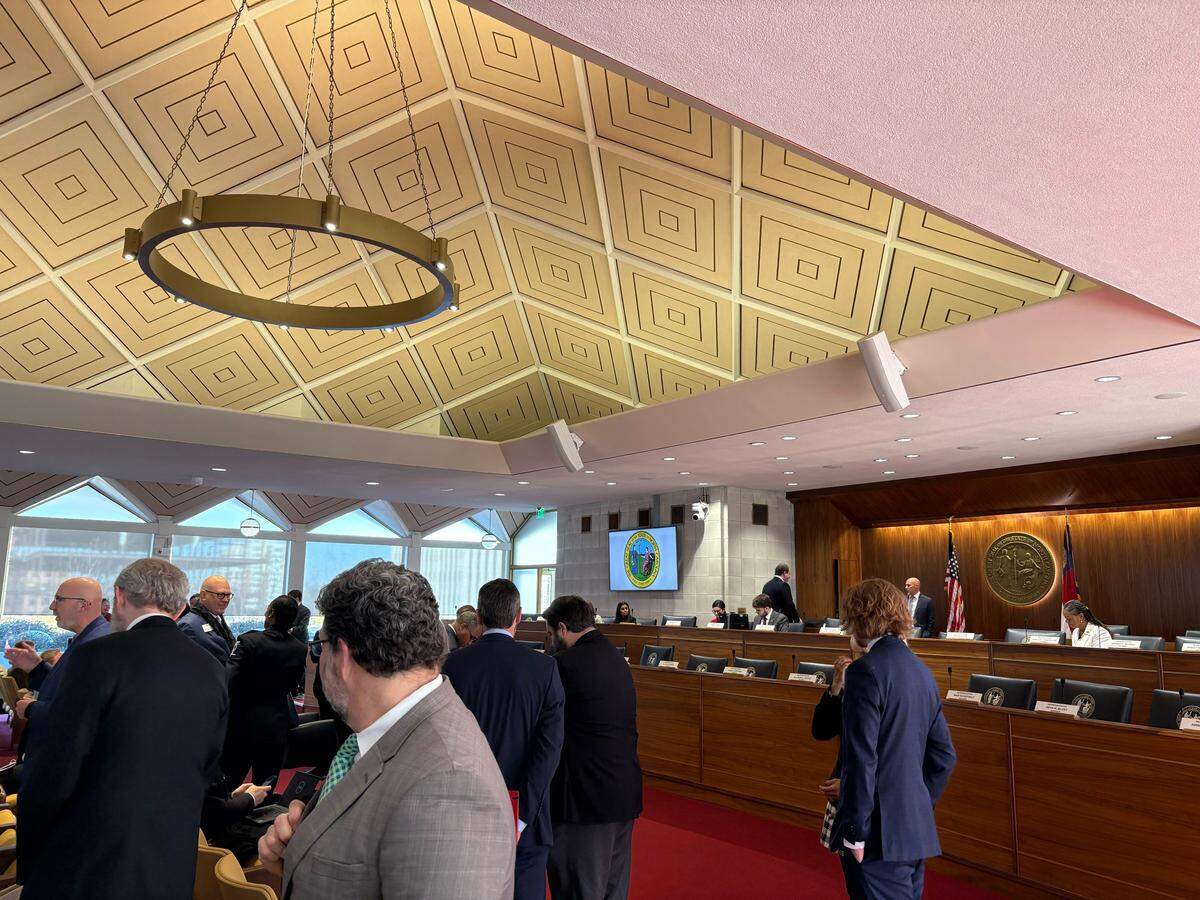
Charlotte-area leaders expected to testify Monday began arriving in the Legislative Building’s auditorium before the 9 a.m. hearing was scheduled to begin.
McFadden and Patterson were among the first to arrive.
Other officials in the audience include Charlotte City Council member Malcolm Graham and Mecklenburg County state legislators Becky Carney, Mary Belk and Julia Greenfield.
This story was originally published February 9, 2026 at 5:00 AM.