Fact check: Why were people with life sentences included in NC’s 2021 release deal?
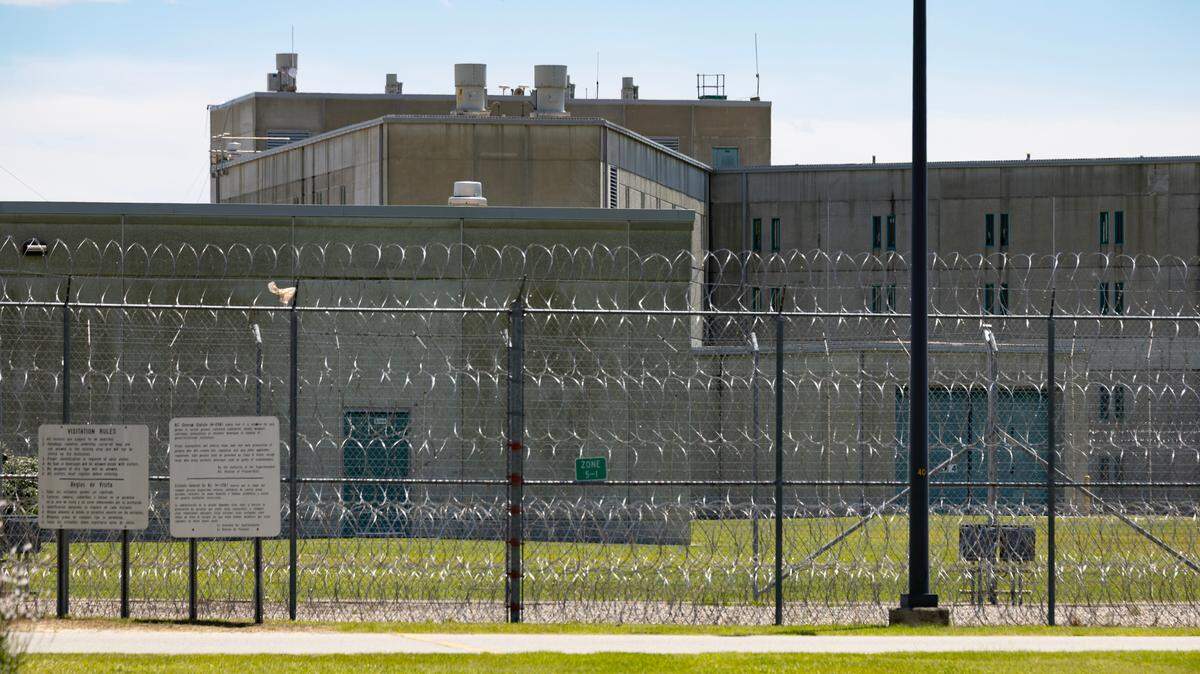
Fifty-one inmates serving life sentences were included among those released under North Carolina’s 2021 COVID-era prison settlement, and state officials say all were eligible for parole before the deal.
The list, first reported on last week by Fox News, quickly became the focus of Republican criticism of former Gov. Roy Cooper, with GOP leaders, including Republican Senate leader Phil Berger, arguing he chose to release violent offenders under the agreement. Fifty-one people sentenced to life in prison are listed on a document of 3,500 inmates who were included in the settlement.
The details of the settlement are the latest talking points in a Senate race that’s heating up before primaries are decided. Cooper is considered the likely Democratic nominee and could face Republican Michael Whatley in what could shape up to be the most expensive Senate race in history.
But prison officials say that any inmates on the list serving life sentences were already eligible for parole long before the settlement and were not made eligible because of it. The Post-Release Supervision and Parole Commission decides on whether people are released from prison on parole, the North Carolina Department of Adult Corrections said. The commission is appointed by the governor.
Former inmates sentenced to life on the list include Dravia Price, who pleaded guilty to two counts of second degree murder in a domestic case, and others who were convicted of crimes including first degree sexual offense and first degree murder.
Cooper’s campaign noted that five of the 51 inmates on the list were already released on parole before the settlement, and five of the 51 have died.
“Keeping the public safe is Roy Cooper’s top priority, which is why he refused to commute sentences when outside groups asked him to during the COVID-19 pandemic,” the campaign said in a statement to The Charlotte Observer. “Governor Cooper used all tools available to keep criminals off the streets, and after the state was court-ordered to adjust sentences, North Carolina law enforcement officials and parole officers looked to similar criteria President Trump used a year prior when his administration released thousands of federal prisoners due to COVID-19.”
The campaign said Cooper opposed broad inmate releases and tried to minimize the number of inmates released as part of the litigation. In April 2020, despite pleas from the ACLU of North Carolina and other advocacy groups, Cooper refused to use his authority to commute incarcerated people’s sentences amid the COVID-19 pandemic.
But in June 2020, a Wake County judge ruled in favor of incarcerated people and found the state may have violated the rights of as many as 32,000 inmates with prison conditions during the pandemic. After the ruling, officials entered into a settlement which agreed to expedite the release of 3,500 people, a move Cooper’s campaign describes as an effort to reduce the number of inmates released. Some of those released were added to the list retroactively to satisfy the agreed-upon number.
The ACLU of North Carolina told the Observer the settlement was intended to ensure incarcerated people did not lose their rights to medical care, life and dignity. The organization echoed comments from the DAC that those released were already eligible for release prior to the settlement.
“Inclusion on the list did not mean automatic release and did not override court-imposed sentences or other legal requirements,” the ACLU said in a statement. “People serving long or life sentences were often included because they are among the oldest incarcerated individuals and faced heightened medical risks during the pandemic, not because the seriousness of their convictions was being reconsidered.”
Still, Republicans say Cooper is responsible for releasing criminals from prison.
“His secret list of 3,500 criminals includes violent habitual felons, individuals with life sentences convicted of heinous crimes, and drug dealers and traffickers,” Berger said in a statement. “He could have fought to keep those individuals in prison to serve their time, but instead, he chose to kowtow to his radical supporters.”
Renewed attention on the COVID-era settlement includes claims made last week that Cooper released Decarlos Brown Jr., accused of fatally stabbing Iryna Zarutska aboard a Charlotte light rail train, early from prison. Republicans cited Brown’s inclusion on the settlement-related list as evidence Cooper was responsible for Zarutska’s death.
But the DAC said Brown was not released early and was not freed as a result of the settlement. In a fact check published last week, the Observer found Brown completed his mandatory minimum sentence and was released from prison custody months before the settlement was signed. Officials said he actually served two days beyond his minimum release date.
This story was originally published February 12, 2026 at 5:00 AM.