In Charlotte, mixed emotions for Iranian Americans during Persian New Year event
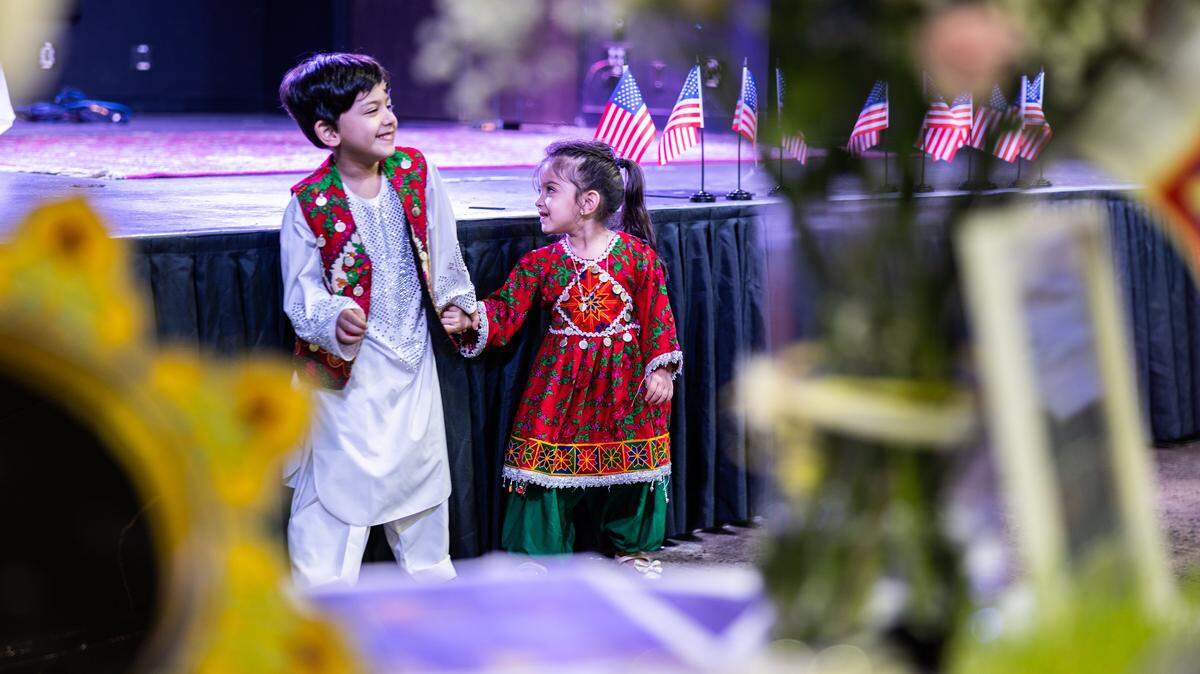
Usually, coming together in Charlotte for the Persian New Year is joyful.
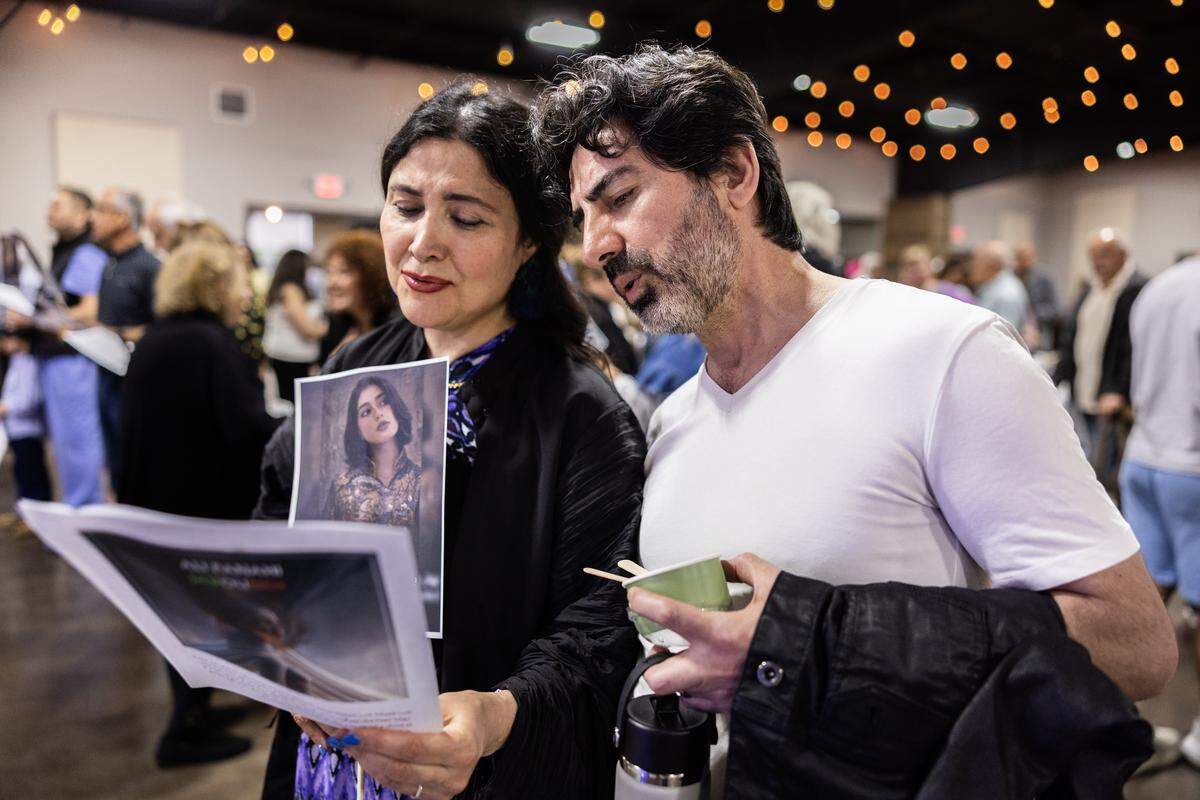
But this year, the hundreds of Iranian Americans who showed up at an east Charlotte gathering Sunday stood for a moment of silence. They held pictures of people killed recently for protesting their government in Iran.
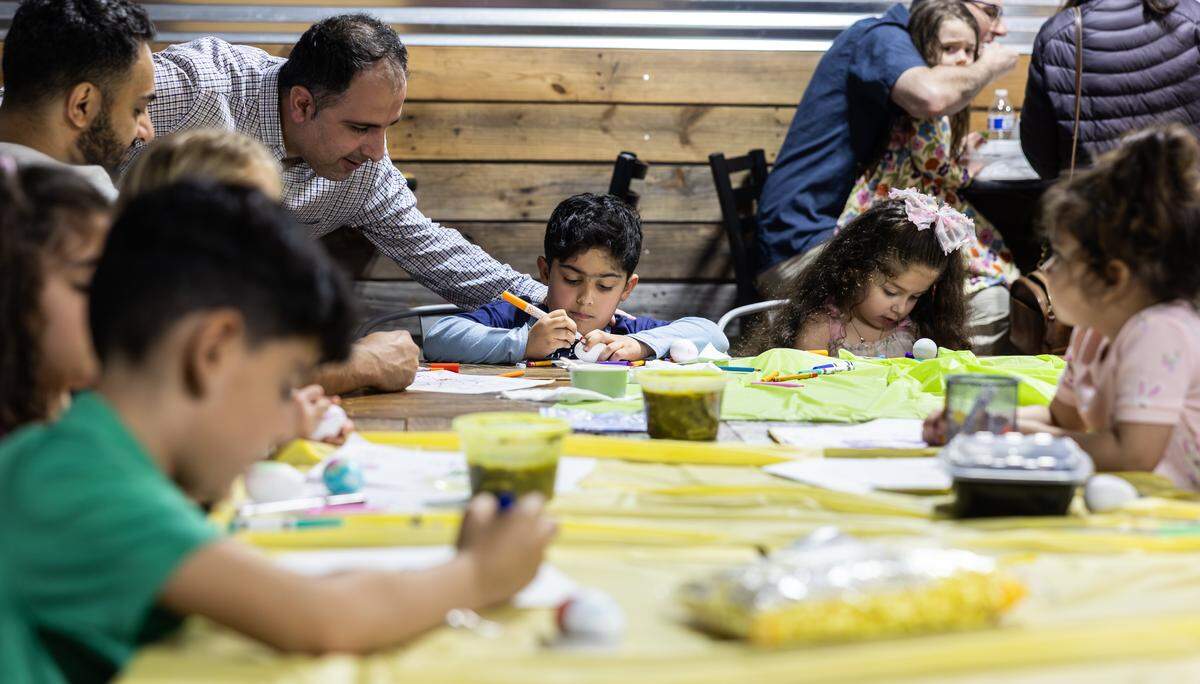
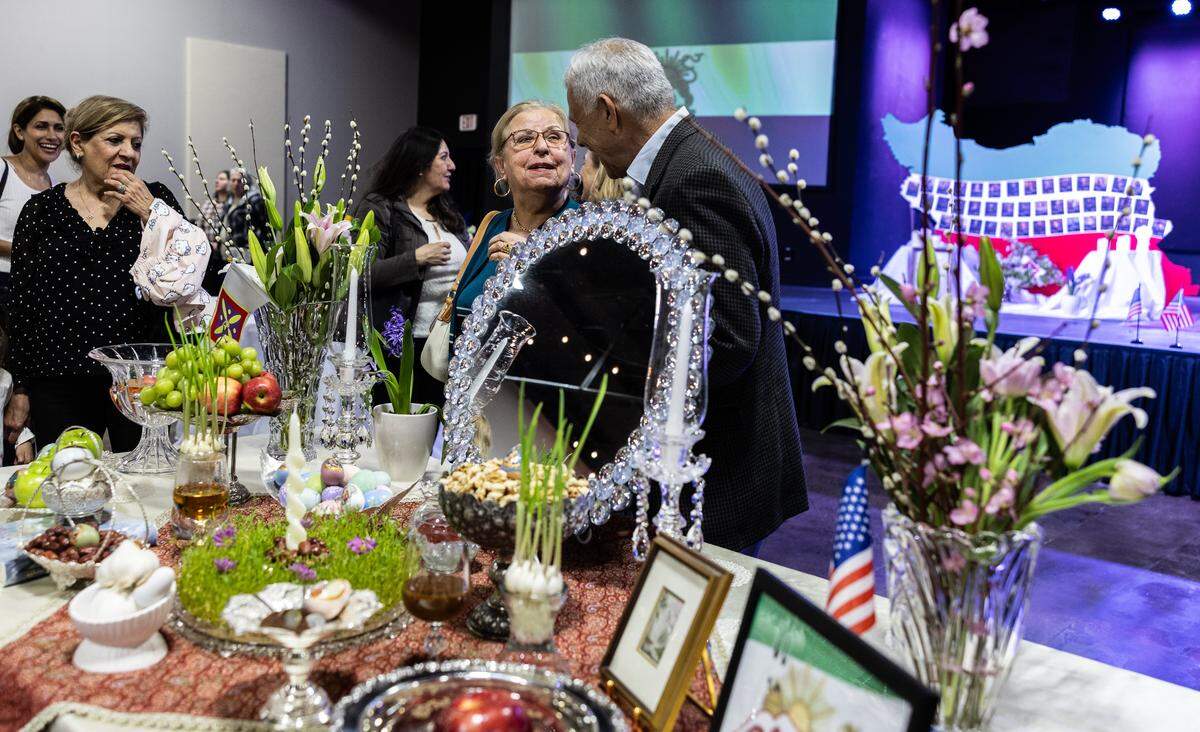
But signs of celebration were there too. During the silence, a little girl twirled on the tile floor by the stage. The bells that dangled off her red tunic jingled. Other kids inspected the eggs they’d decorated, as part of the annual holiday tradition.
About 400 people were on hand for Nowruz, a new year tradition celebrated for thousands of years. The holiday, which marks the first day of spring, originated from the Zoroastrianism religion, predating Islam in Iran.
A table at the head of the room was set with trappings symbolizing values such as hope, strength and love: garlic, sprouts, an apple, pudding, oleaster fruit, vinegar, sumac.
Narges Ahani, a 43-year-old Charlotte resident whose parents live in Iran, looked around the room when the silence broke. People were crying.
“Many people didn’t show up because they felt guilty,” she said. “They feel like our country is in grief, and they think we shouldn’t be happy. These events are usually happy.”
Ahani lost two friends who protested in Iran. Her mother, who can only call her from Iran once every several days, cries all the time, she said.
Attendance at the Nowruz event in Charlotte
The turnout was better than the organizer, Anahita Kaviani, expected.
Other Iranian events around Charlotte were canceled this year. Some vendors who usually attend Nowruz told her they weren’t coming this year.
Kaviani got attacked on social media for planning the event. She was asked if she would still be putting the event on if a member of her family had recently died in Iran.
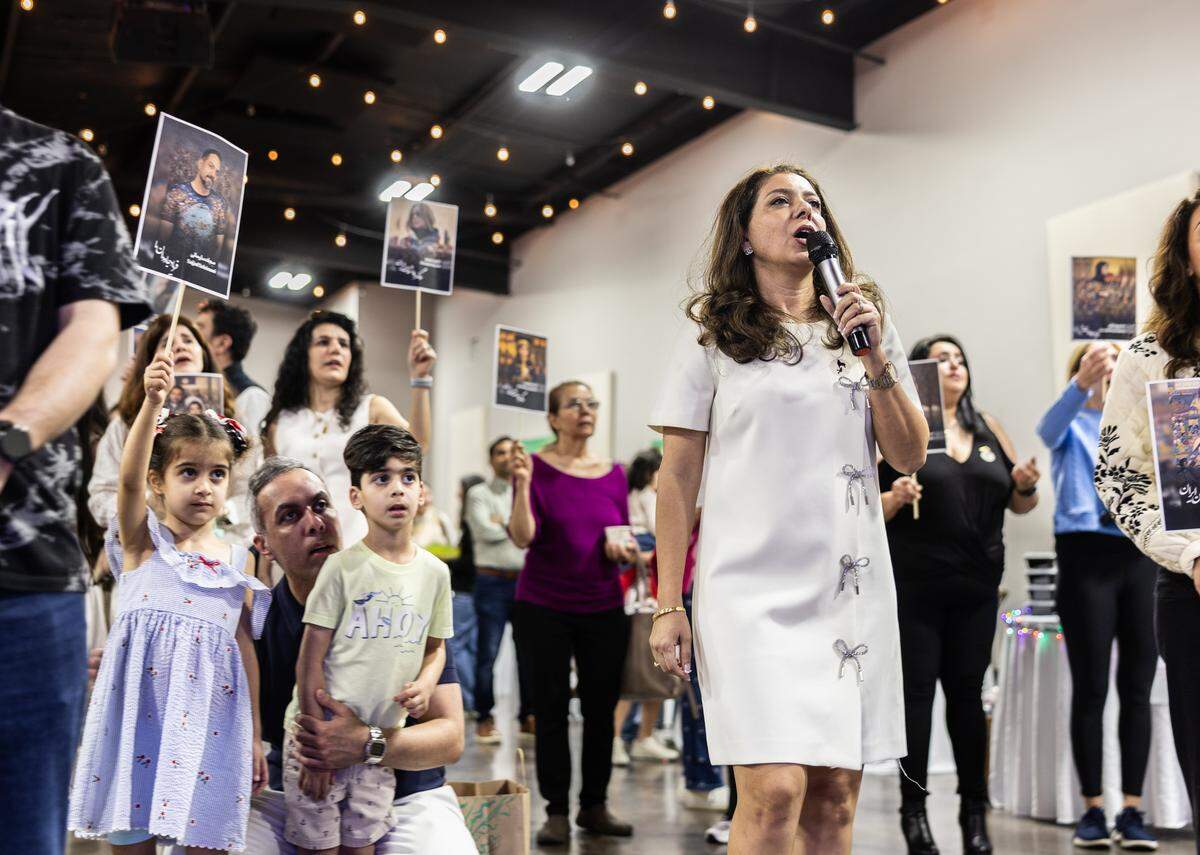
She would, she said. “I felt like we needed this togetherness. To pray together. We needed to sing together,” she said. “That’s what I actually needed.”
Violence in Iran
Tens of thousands of Iranians protested in the streets after their currency crashed at the end of last year. For days, they called for the end of the Islamic Republic system.
Security forces slaughtered them. And the government cut off internet access to its people. A network of medical professionals around Iran estimate that more than 30,000 protesters died, according to the Guardian.
On Feb. 28, President Donald Trump waged war on Iran, saying that he was eliminating an imminent nuclear threat. The U.S. and Israel hit Iranian military sites and killed leaders, including Supreme Leader Ayatollah Ali Khamenei. The Trump administration described its operation as “precise.”
But, per an ongoing military investigation, the same day the U.S. killed Khamenei it dropped a missile on a school. At least 175 people died, mostly kids.
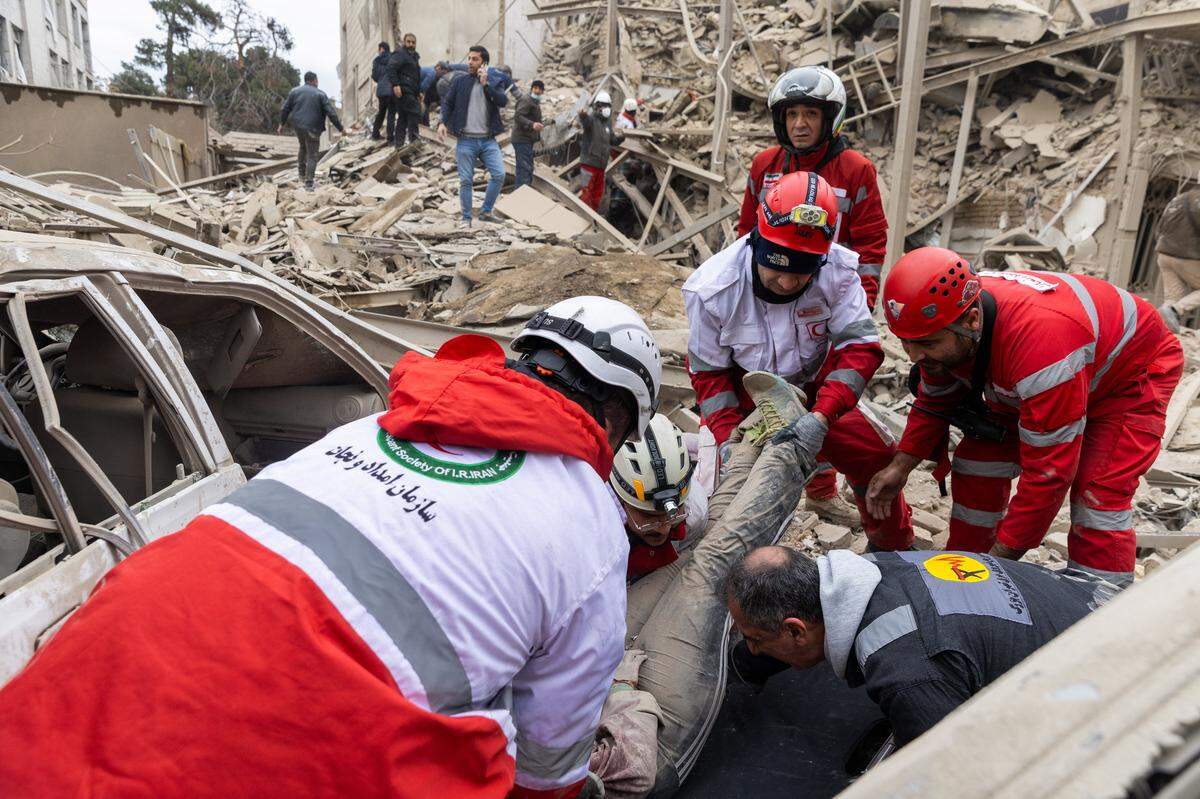
Israel has also struck oil facilities, causing toxic, black rain to fall and thick clouds of black smoke to billow around Tehran, affecting civilians. Iran responded by attacking U.S. military bases nearby and blocking traffic through the Strait of Hormuz, a critical shipping route for the world’s oil and natural gas market.
The Council on Foreign Relations reported that more than 1,800 people have died in the conflict so far.
Charlotte locals affected by war in Iran
Many people who attended the Charlotte Nowruz event are affected by the war. Several told The Charlotte Observer that they see the U.S.-led mission as an opportunity for regime change, as the only option, as a “rescue mission.”
One of the vendor tables sported hats playing off of Trump’s “Make America Great Again” slogan. They said, “Make Iran Great Again.”
Saeed Bajestani, 58, told the Observer he now has hope that decades of oppression at the hands of the Islamic Republic may finally come to an end.
“When you guys got your independence, the French helped you. Now these people back home, they do need our help,” he said, adding that he thinks Trump is doing the right thing. “I’m not a Trumpist. I’m a registered Democrat.”
But it remains unclear how or when change could come.
The regime replaced Khamenei with his son, who is reported to be more of a hardliner than his dad. Trump and Israeli officials have said Iran’s regime is unlikely to fall immediately. The Wall Street Journal reported that Iran residents feel betrayed.
Keeping hope through song
Mehdi Sharifi, another Nowruz attendee, has parents and a little brother in Iran. His cousin lost his only son in the protest massacre.
While his family is weathering the war, he’s grading his university students’ papers.
He anxiously looks out for his family’s calls each day. Like others the Observer interviewed at the Nowruz event, only they can call him, Sharifi can’t call them.
Their neighborhood was hit, but they tell him they’re ok. Safe for now.
“When we read the news that somewhere in the neighborhood was hit by the bombs, we feel very distressed. You never know how close the site was to the house or our family,” Sharifi said. “We listen and watch the videos. We wait until they call and say they’re safe.”
Sharifi said he wasn’t on the list to perform at the Nowruz event, but felt compelled to sing. With the organizer’s blessing, he spontaneously stepped before the crowd and as he sang, everyone in the room fell quiet. Several people wept and swayed.
The song, he said, was about keeping up hope that one day, something good will happen for all Iranians.