Getting NC approval to do hair braiding could soon get much easier. Here’s how.
AI-generated summary reviewed by our newsroom.
- Senate Bill 808 would reduce natural hair care training from 300 hours to 10 hours.
- The bill would end licensure and require a 10-hour certification on infection control.
- The Senate Regulatory Reform Committee voted to advance the bill to the Senate floor.
Instead of hundreds of hours of training to receive a license, hairdressers looking to only braid, twist and wrap hair might soon get to become certified in just 10 hours.
A bill moving through the North Carolina Senate would reduce the requirements for natural hair care services from 300 training hours to 10 hours focused on infection control. It would also do away with licensure for providing those services and only require certification earned through training and passing an exam.
While some lawmakers, cosmetology teachers and students are excited about the idea of expanding access to the profession, others are worried that the reduction in training could reduce hygiene standards and neglect public health.
Senate Bill 808 distinguishes between natural hair care and hair design services in their definitions. The Senate’s Regulatory Reform Committee voted last week to advance the bill.
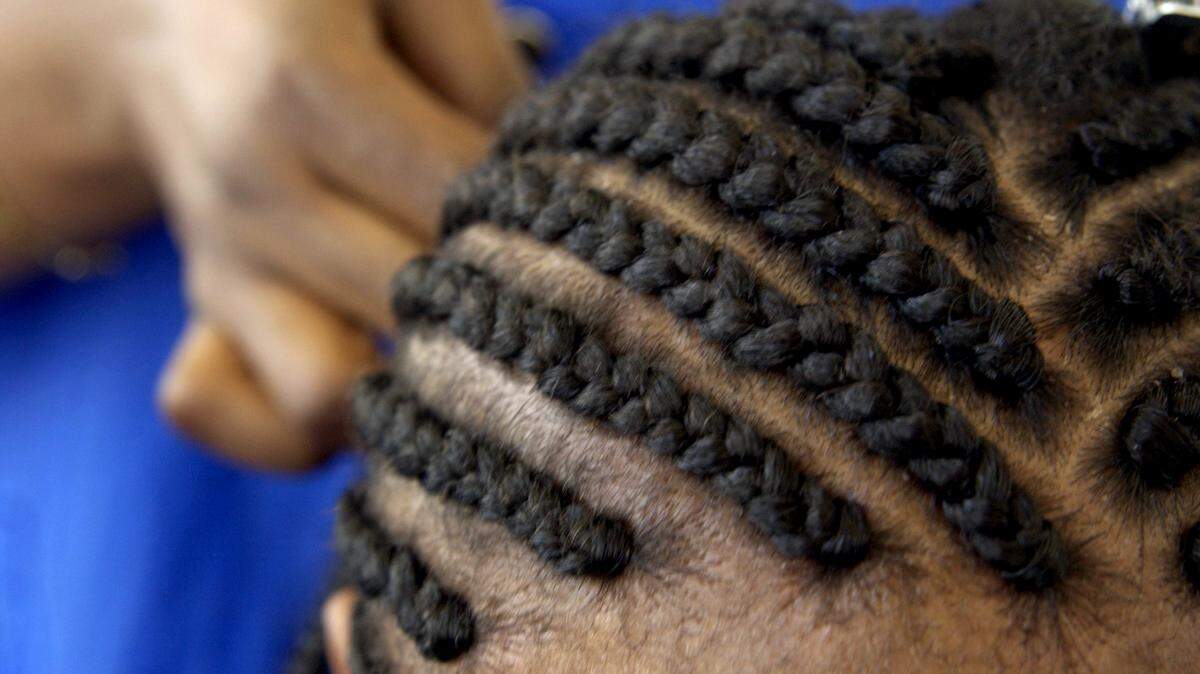
Natural hair care services include twisting, wrapping, extending or locking natural or artificial hair by hand or using tools, according to the bill. Hair braiding is included in this category.
The process of hair locking, which dates back thousands of years to areas like Africa and India, involves palm-rolling or twisting hair to create strands of locs.
Hair design is more comprehensive and includes bleaching and coloring hair, as well as using other chemicals for hair treatments. It also covers cutting, curling and cleansing hair.
Bill specifics
The bill, if enacted, would also separate hair design services from the broader cosmetology licensure. To become a licensed hair design specialist would require 900 hours of curriculum training in a cosmetic school and passing an exam administered by the N.C. Board of Cosmetic Art Examiners.
It would also reduce the total hours required to get a cosmetology license from 1,500 to 1,200.
The bill is primarily sponsored by three Republicans: Sen. Amy Galey of Burlington, Sen. Tim Moffitt of Hendersonville and Sen. Norman Sanderson of Minnesott Beach in Pamlico County.
Galey said at the committee meeting she has spoken with constituents who feel burdened by the current requirements of learning other cosmetology skills alongside natural hair care services.
She said separating hair braiding and other techniques that don’t require the same technical training as using chemicals or other skills will decrease those burdens and make the career path more accessible.
Galey said she has heard from cosmetology instructors at Alamance Community College who shared that some students would go to work, go to cosmetology training and then sleep in their cars.
“It’s just a real regulatory burden toward people, particularly women in this profession, who are seeking to open their own businesses, get training,” she said. “It’s really a workforce development issue.”
Opposition and support
Lynda Elliot, the executive director of the Board of Cosmetic Art Examiners, said the 200-hour decrease in training to earn a natural hair care certification brings “significant concerns for the board and stakeholders.”
She said the 10 hours of infection control training isn’t sufficient, particularly if they are completed online, and recommended that the requirement increase to 100 hours.
“Natural hair care applies to all textures and nationalities. People of every background seek these services, like braiding, twisting, locking and hair extension,” Elliot said. “So, someone that does not have any knowledge, or it’s not their heritage or ethnicity, they need to understand how to do this safely.”
Moffitt said Elliot has raised those same objections in a previous meeting, including at a committee meeting in February, and “we’ve looked into it, and we felt comfortable that the path we’re on is the appropriate one.”
At that meeting, Sen. Natalie Murdock, a Durham Democrat, noted that more than 30 states do not regulate natural hair care services, as first reported by NC Newsline.
“So many stylists I know who leave their jobs so that they can go to school and get all of the requirements have [given] feedback that they think it’s burdensome compared to other states,” Murdock said then. “I definitely think we can find a healthy medium.”
Heather Laws, who heads the cosmetology department at Alamance Community College, said the legislation has been a highlight in the industry in trying to get people into the workforce.
ACC cosmetology teacher Hilary Cook added that the bill’s modernization of licensure and certification requirements does not mean lower standards.
“You are removing barriers and expanding opportunity,” she said.
The bill is scheduled to hit the Senate floor on Tuesday, May 5.
This story was originally published May 5, 2026 at 5:15 AM with the headline "Getting NC approval to do hair braiding could soon get much easier. Here’s how.."