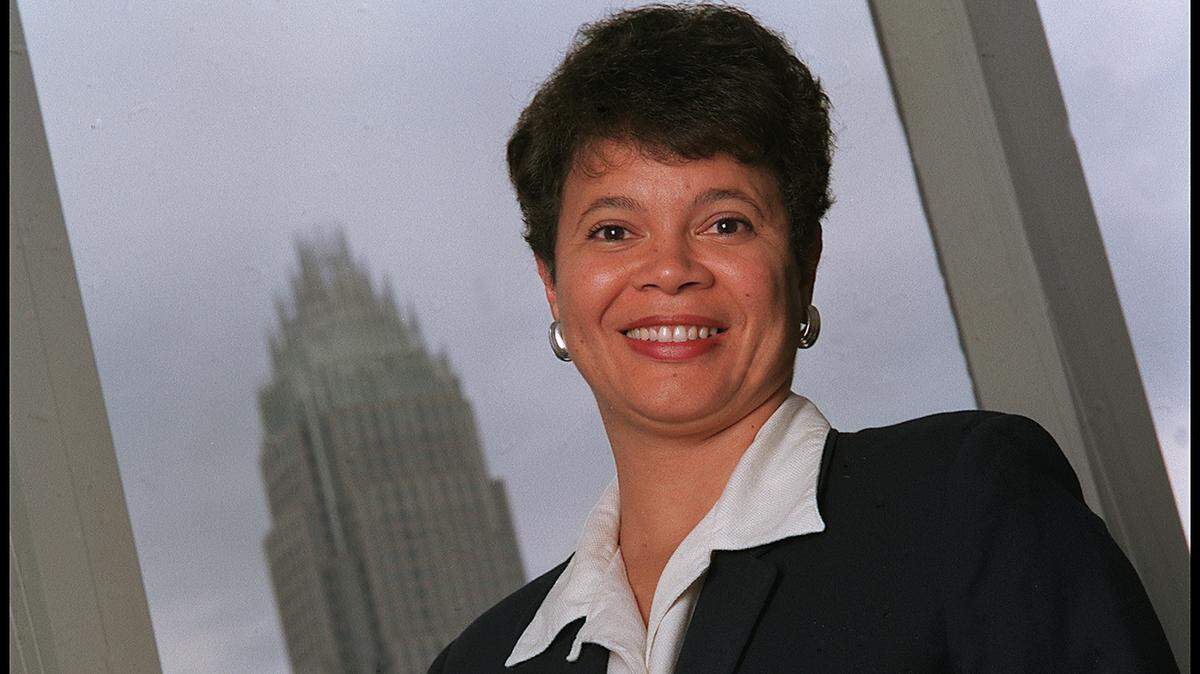
Charlotte City Council members are split on who should get interim mayor’s job
READ MORE
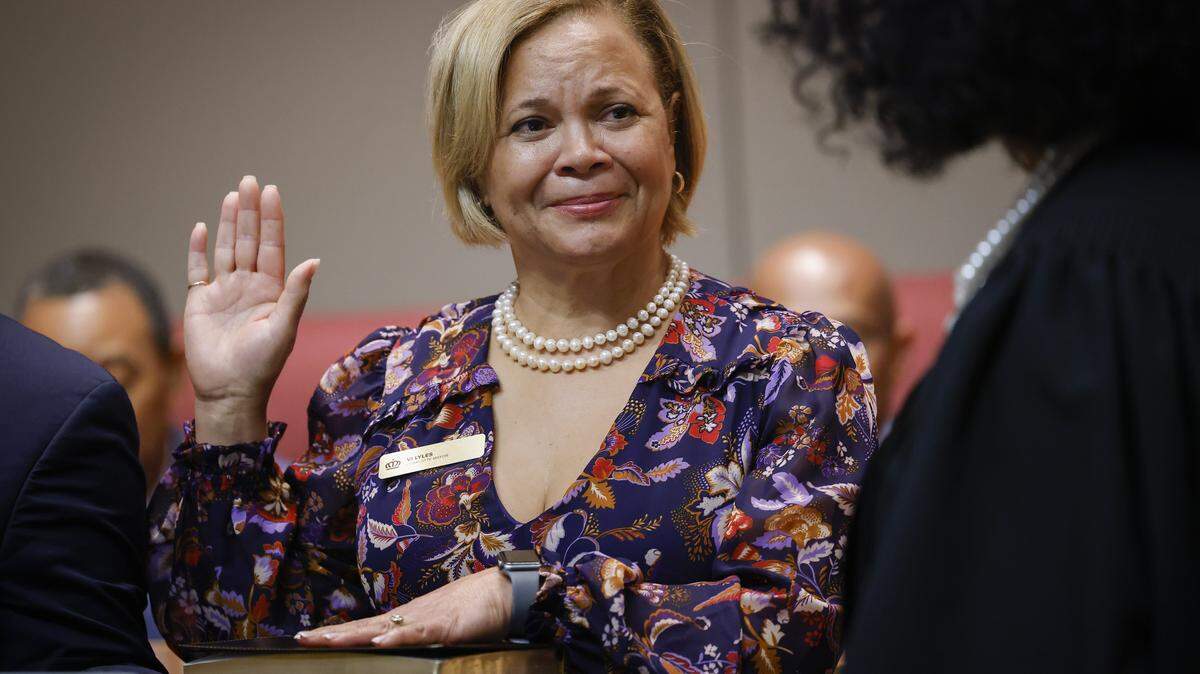
Mayor Vi Lyles steps down from office
Charlotte Mayor Vi Lyles announced that she will step down on June 30 and will not run for reelection in 2027. Here’s how the city is responding, and what could come next for the mayoral position.
Expand All
Charlotte Mayor Vi Lyles’ decision to resign a quarter of the way through her term will leave a vacuum atop the city’s highest elected office. It’s up to the City Council to decide how to fill it.
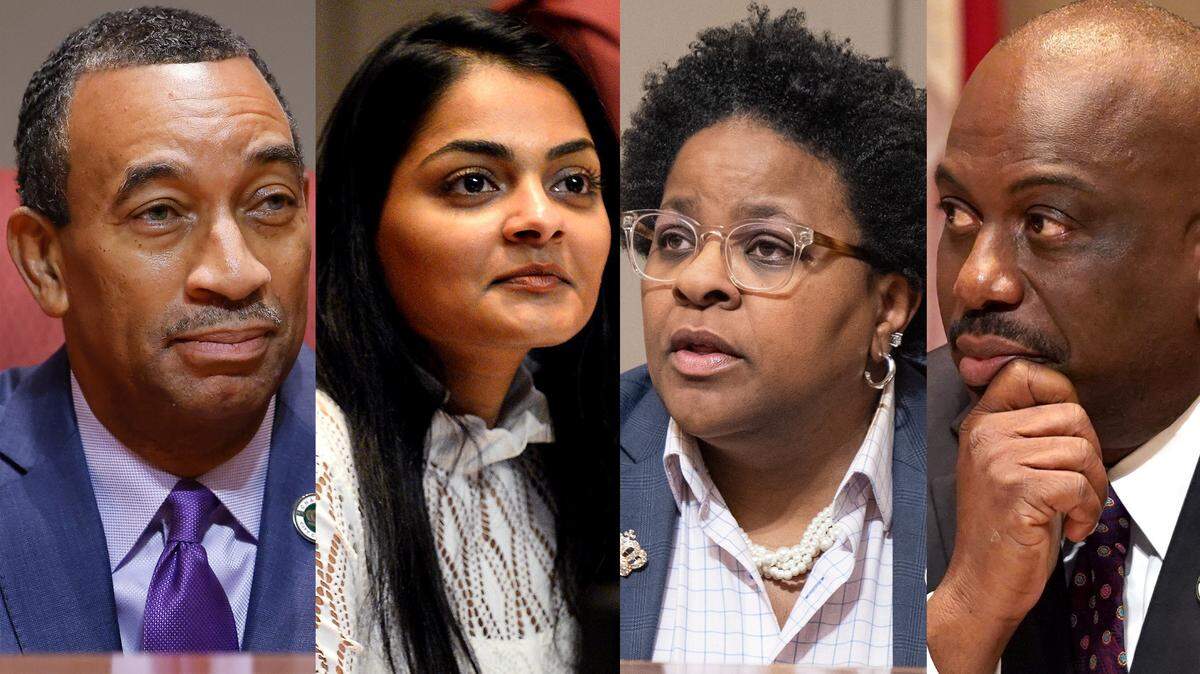
The appointment process could get messy with nearly half of the council eyeing a prospective run. Council member opinions vary on whether they should appoint one of their own.
Under state law, the appointee must be a Charlotte resident and a member of the same party as Lyles. That disqualifies Ed Driggs, the District 7 leader and the only Republican on council.
In the past, the council filled vacancies with the understanding that whoever gets appointed would not run in the next election because they would have an advantage, Driggs said.
Driggs has filled five vacancies during his 13-year tenure. Most of those appointees ran for a city office anyway.
“The track record is bad,” said former City Council member Edwin Peacock III, who was appointed to a District 6 seat last year before unsuccessfully running at-large. The council asked him in person and in writing if he intended to run for District 6 after the term ended. He answered no.
“Nobody said, ‘Are you going to run for anything else,’” Peacock told The Charlotte Observer. “It didn’t make others happy.”
The same is true of at-large City Council member Dimple Ajmera, who filled a vacancy in District 5 in 2017 before running for a different seat that same year. And mayoral appointee Dan Clodfelter, who replaced Patrick Cannon after his arrest, ruffled feathers when he decided to run for mayor in 2015 despite allegedly promising not to.
Before that, longtime Councilwoman Patsy Kinsey got the appointment to serve the remainder of Mayor Anthony Foxx’s term in 2013 when the Obama administration tapped him to lead the federal Transportation Department. Kinsey served for five months, then returned to her position as a district leader.
Driggs said he thinks the council should stick with an outsider who lacks greater political ambitions. Whomever they choose should be prepared to serve, and perhaps be an already recognizable leader in the community, he said.
Joi Mayo, the District 3 council woman, sees things differently. She wants a current council member to be the next mayor because they’re already familiar with the ins and outs of the job. Onboarding an outsider on all of the ongoing projects, from the Interstate 77 expansion to standing up the new transportation authority, would be a heavy task.
“Even if they plan to run, that’s fine,” Mayo said. “We’re going to get the most bang for our buck. I don’t want to lose momentum.”
District 6 Council member Kimberly Owens falls somewhere in the middle.
She doesn’t think sitting on council or intending to run in the future are disqualifying, but the candidate must be able to work effectively as mayor while also campaigning. And they’d have to be able to collaborate with the same council members who are running against them, which could create an unhealthy dynamic.
“This would be a very competitive landscape, and if somebody expresses interest in running both in the interim and next year, I’ll have questions,” Owens said. “I want somebody who is battle-tested and has run in competitive areas before. Somebody who can multitask. It’s less about the person, and more of a skill set lens.”
The council can set the terms of its appointment process. Applications could be open to everyone, as they were for other recent vacancies. State law does not specify a time frame for appointment decisions, and there’s debate over whether the council must make any appointment at all or can leave the seat vacant until the next election. No court case settles the question.
The 2027 mayoral race is already expected to be a crowded one with at least five current council members believed to be interested in the job. For that reason, Peacock thinks keeping the seat empty could be the City Council’s best decision.
“Whether we like it or not, the Charlotte’s mayors race has just begun. Today’s your in or out day,” Peacock said. “Appointing somebody on the dais is a direct nod to giving that person an advantage.”
This story was originally published May 8, 2026 at 5:00 AM.