What happens next in the Comey ‘86 47’ case? The key dates and decisions ahead
AI-generated summary reviewed by our newsroom.
- An April 28 indictment charges Comey with two felonies over the May 2025 Instagram post.
- Flanagan ordered a pre-conference by May 29, a June 30 plea hearing, and a July 15 trial.
- Comey’s lawyers plan motions to dismiss, citing vindictive and/or selective prosecution
It was an unusually warm spring day in North Carolina when former FBI Director James Comey spotted a message arranged in the sand: seashells and oyster fragments spelling out “86 47.”
“Cool shell formation on my beach walk,” Comey captioned the Instagram photo he shared with his nearly 200,000 followers.
A year later, that beach photo has placed North Carolina at the center of one of the country’s most closely watched criminal prosecutions, as Comey fights federal charges that experts say test the boundaries of free speech and presidential power.
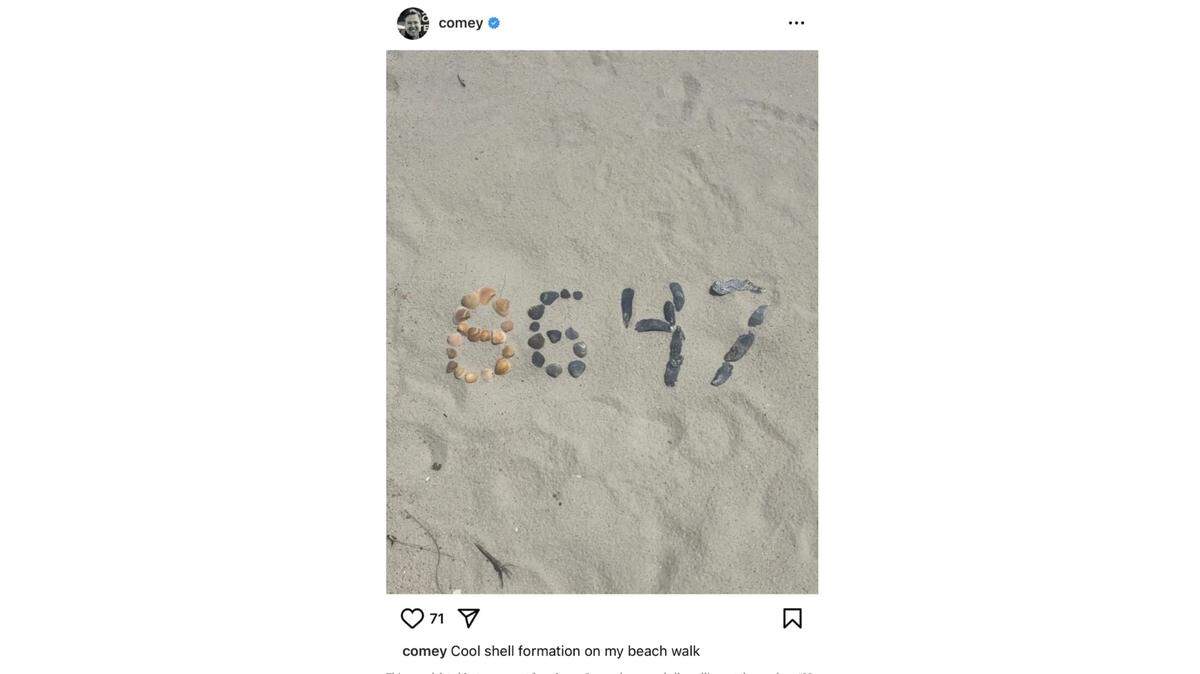
After an April 28 indictment out of the Eastern District of North Carolina, Comey faces two felonies accusing him of threatening the president a year ago with the Instagram post. Soon after posting the May 2025 photo, Comey took it down, claiming he didn’t know people associate the number 86 with violence.
Comey and Trump have a history of conflict. Trump ousted Comey as FBI director as he oversaw the investigation into Russia’s interference in the 2016 presidential election in support of Trump.
Trump has said 86 is a mob term for murder.
“86 him. That means kill him,” he said recently.
Last week, U.S. District Court Judge Louise Flanagan outlined the general court schedule for the case as it moves through the Eastern District of North Carolina.
Flanagan wants the attorneys to meet for a conference before May 29, then move toward a hearing June 30, at which Comey would plead guilty or not guilty, followed by a trial July 15. Those dates could change as the case evolves.

First comes the pretrial conference
It’s unclear whether the pretrial conference will be held in person or remotely, according to Flanagan’s court order.
Before then, the attorneys should meet on how to handle issues, such as how evidence from the case will be shared with Comey, said Seth Blum, a Raleigh attorney who also teaches at UNC-Chapel Hill’s law school. Any issues that remain by the pretrial conference could then be heard by the judge, said Blum, who practices in the Eastern District but isn’t involved in the Comey case.
Comey’s attorneys will likely challenge the charges of communicating threats against the president, according to interviews with North Carolina legal experts.
Under the judge’s schedule, all motions in the case must be filed by June 5 and responses by June 15.
Comey’s legal team is expected to seek dismissal of the case by arguing vindictive and selective prosecution. His team filed a similar motion challenging a September 2025 indictment in Virginia that accused Comey of lying to Congress about leaks to the press. That case was dismissed after two months.
Another expected motion will ask the judge to dismiss the charges on the grounds the indictment does not allege an actual crime because the First Amendment protects speech unless it’s a true threat, said Scott Holmes, an attorney and professor at North Carolina Central University’s law school.
Will the James Comey charges make it to a jury?
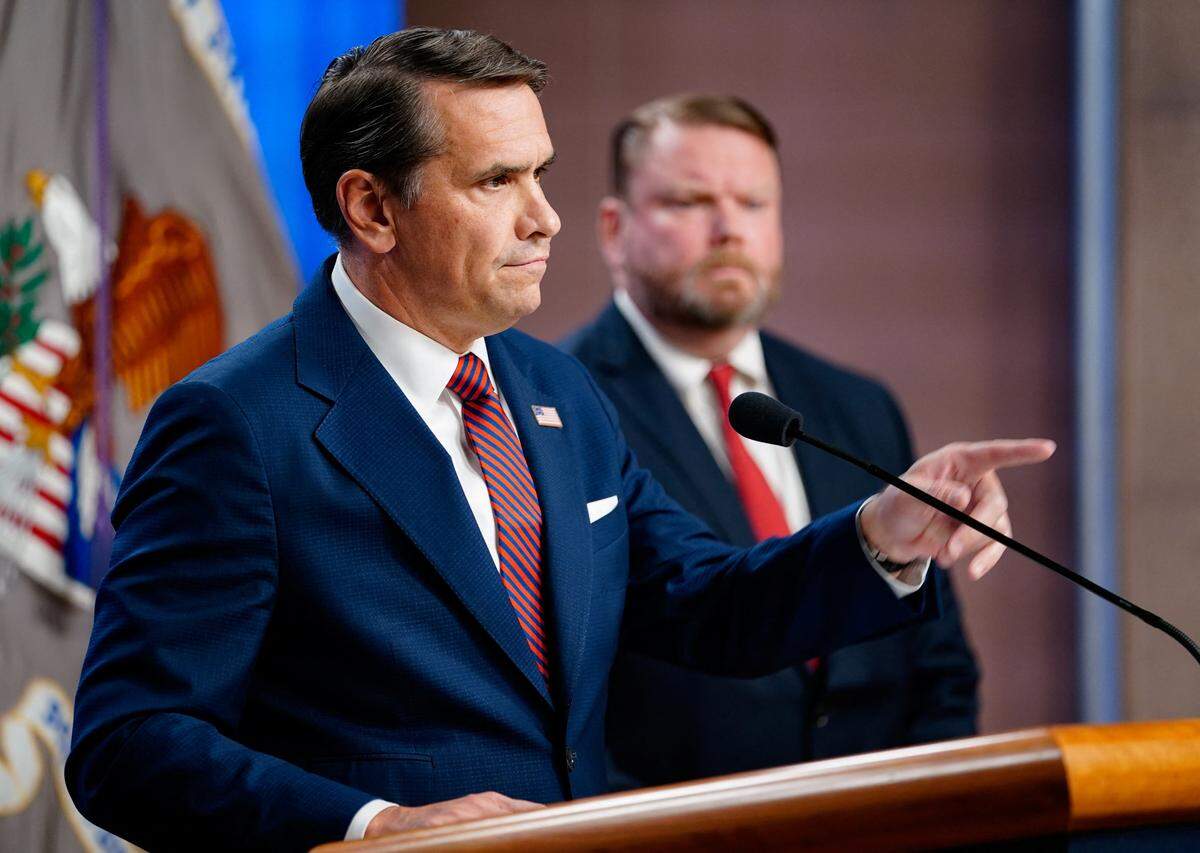
The upcoming court proceedings may answer whether prosecutors’ evidence goes beyond Comey’s May 2025 Instagram post and whether it will be enough to withstand expected legal challenges.
“Rest assured that it’s not just the Instagram post that leads somebody to get indicted,” Acting Attorney General Todd Blanche said in a recent interview.
Holmes believes the charges will be dismissed following Comey’s legal challenges.
Prosecutors must show Comey intended the post as a threat to the president or that he acted recklessly and knew people would read it as a threat, experts said.
“I don’t think a judge would let it get to a jury because of the multiple interpretations” of the meaning of the term “86,” Holmes said.
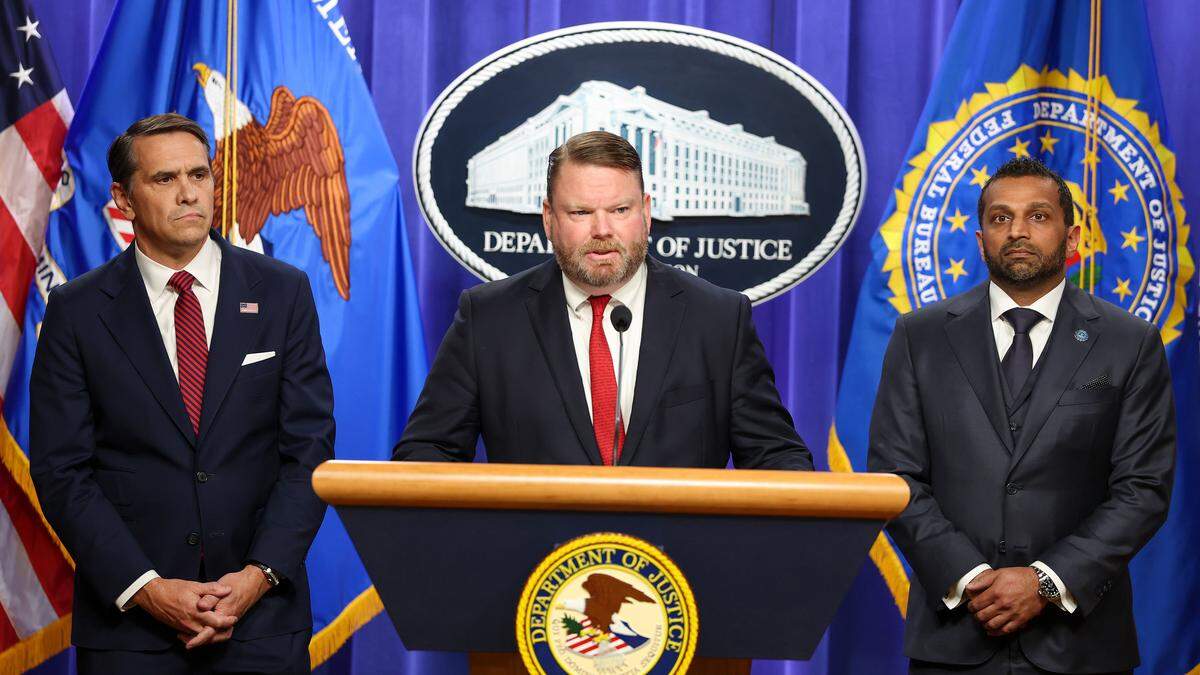
However, former Assistant Director for the FBI Chris Swecker doesn’t think a judge would toss the charges before trial in the conservative Eastern District of North Carolina, he said.
It is a district that U.S. Attorney Ellis Boyle, who signed Comey’s indictment, knows well, as his father has been a judge there for about 40 years, said Swecker, a Charlotte-based attorney who practices in the Eastern District.
Boyle’s father, U.S. District Court Judge Terrence Boyle, was nominated to the lifetime position in 1984 by President Ronald Reagan. Before he became a judge, Terrence Boyle once worked as a legislative assistant to then-U.S. Sen. Jesse Helms, who later unsuccessfully pushed for Boyle’s appointment to the Court of Appeals for the Fourth Circuit.
If the case reaches a jury, Swecker said, “it would be one hell of a trial.”
“This will be the most publicized, most closely watched trial in a long, long time,” Swecker said.
Still, Swecker doesn’t think Comey will be convicted on the charges.
“I just don’t think you can get into Jim Comey’s mind and say that he meant 86 to mean to kill, or to incite others to do that,” Swecker said.
NC Reality Check is an N&O series holding those in power accountable and shining a light on public issues that affect the Triangle or North Carolina. Have a suggestion for a future story? Email realitycheck@newsobserver.com.
This story was originally published May 18, 2026 at 5:30 AM with the headline "What happens next in the Comey ‘86 47’ case? The key dates and decisions ahead."