One of these people will be Charlotte’s next mayor. Many won’t even be considered
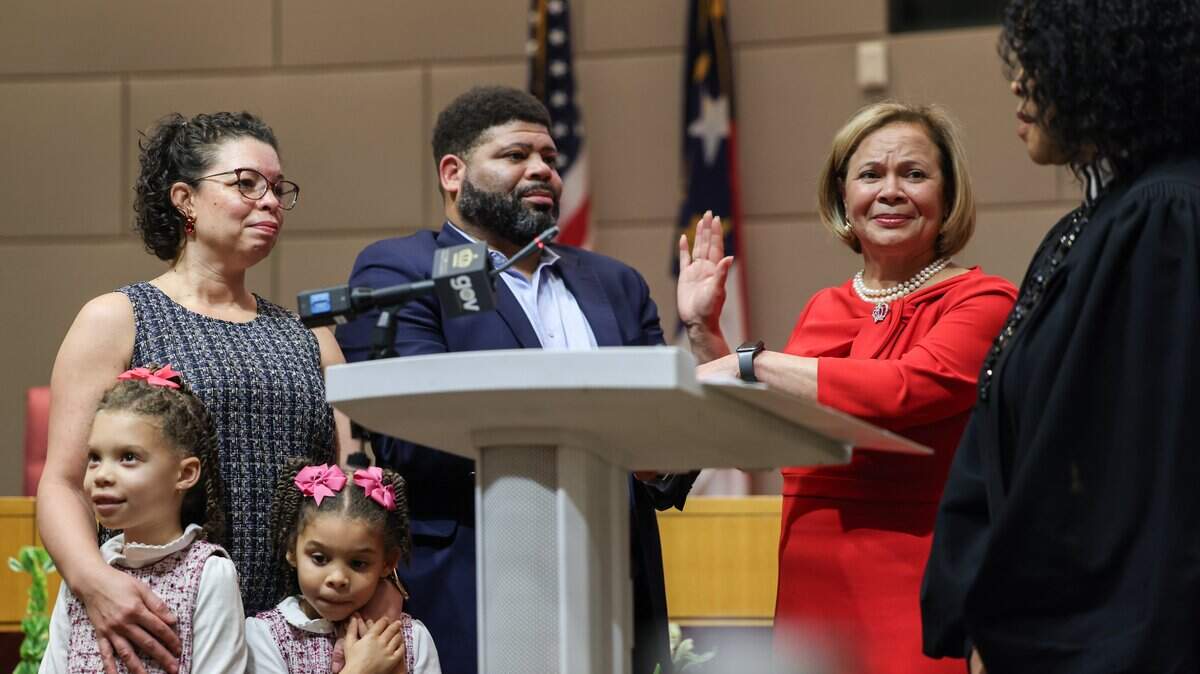
More than 110 people applied to be interim Charlotte mayor, including a handful of familiar faces in the political arena and plenty of new ones. Among them are a former mayor, a City Council member and a state senator.
Applications closed on Tuesday to replace outgoing Mayor Vi Lyles, who announced she would resign part way through her fifth term. The City Council will interview eligible applicants next week before voting on their choice June 22.
Here’s a breakdown of who could be the next mayor — and who won’t even be considered.
Who’s known?
Among the most recognizable names is Jennifer Roberts, the progressive one-term leader whom Lyles ousted in 2017. She was previously the chair of the Mecklenburg County commission, making her the only person to lead both offices.
Her mayoral term marked a tumultuous period for the city, which cycled through five mayors in as many years. Roberts went toe-to-toe with Raleigh over the General Assembly’s controversial “bathroom bill,” which sought to overturn the city’s protections for people using public restrooms that aligned with their gender identity.
She wouldn’t make “any bold changes in direction” this term or run to stay in office next year, she said.
“It would be a seamless and fairly quick transition,” Roberts said in a statement announcing her interest.
Mayor Pro Tem James Mitchell is the only current City Council member who applied for the job. He’s also the longest-serving member and second-highest ranking behind Lyles. His job as pro tem is mostly ceremonial, but he facilitates meetings in the mayor’s absence.
Mitchell pitched his vision to the council last month in a late-night email and PowerPoint that promised a spouses day at city hall, team bonding events at sports events, monthly TV shows and new vice chair positions on the five council committees. The pitch received mixed feedback from his colleagues.
State Sen. Caleb Theodros is the only applicant holding a state office. He would need to resign his seat in the legislature if appointed. Harold Cogdell Jr, an attorney, former Mecklenburg County commission chair and former City Council member, also applied.
Mike Evans is perhaps the closest applicant in Lyles’ orbit. He is the mayor’s former campaign manager who even stepped in for her during a primary debate last election, where he referred to himself as Lyles throughout the tongue-in-cheek performance.
Evans is a retired business professor and financial planner who helped found Park Sterling Bank, was treasurer for the Charlotte Regional Visitor’s Authority and served on the board for Central Piedmont Community College, according to his profile on the college’s website. He was also the president of the Financial Planning Association of Charlotte.
Who’s new?
Several City Council members have suggested they’d like a notable community figure in the role who is familiar with coalition building and leadership. At least two council members say they prefer somebody who already works in city government.
Some applicants straddle the line between new and old, offering fresh perspectives without being unfamiliar with the players or the game.
Carrie Cook and Robert Harrington are two lesser-known candidates with sizable resumes and networks, but who haven’t yet held public office. Insiders say both have strong cases.
Harrington has chaired the Charlotte Mecklenburg Library Board and the Arts and Sciences Council board; served as president of the North Carolina Bar Association, North Carolina Bar Foundation and Mecklenburg County Bar; and served on the board for multiple other groups, including TreesCharlotte and the Levine Museum of the New South.
Cook has roots in the city’s business community. She founded two nonprofits: EmpowHerment Inc, which builds leadership skills in young girls and women, and GreenLight Fund Charlotte, which works to address economic and racial equity gaps. She also held leadership roles at the Charlotte Regional Business Alliance.
Today, Cook is a vice president at the Federal Reserve Bank of Richmond overseeing community development strategy in the region.
The applicant list also includes attorneys, bankers, a motivational speaker, a chef and a real estate agent. Several people in creative fields also applied, including actors, creative directors, a percussionist and a sports videographer.
Ryan McGill, a real estate broker and retired military pilot, said he recognized the odds weren’t in his favor as a political newcomer. But people like him applied anyway because they want to change the status quo.
“When you are so entrenched in this, where you’ve been pretty much in politics your entire career, I feel like you’re caught in the same silo,” McGill said. “Maybe some outside thought, some thinking outside the box, would benefit the city.”
Who’s ineligible?
The City Clerk’s Office will likely toss a portion of applications before interviews begin.
Under state law, the interim mayor must be a Charlotte resident, meaning they must live within the city’s official boundaries. Somebody who lives in Davidson or unincorporated Mecklenburg County is not eligible, for example.
The interim mayor must also be a registered voter with the same political party as Lyles, a Democrat. Unaffiliated voters are not eligible.
Many names listed on the City Clerk’s applicant list don’t appear in the North Carolina State Board of Elections’ voter registration database, don’t live within city boundaries or — most commonly — are not registered to the proper party.
Among the slate of apparently ineligible candidates who records show are registered as unaffiliated are Cristiano Mendez, an immigration attorney and assistant public defender; Liam Rafizadeh, the founder of a right-wing, “anti-woke” social media company; and Christopher Monds, a Garinger High School teacher and stand-up comedian.
Mendez and Monds told The Charlotte Observer they believed they were registered Democrats despite what records show. The registration database is updated every morning.
People often don’t realize they are unaffiliated because North Carolina has open primaries, and they might cast their vote for the same party every election, said Kristin Mavromatis, the public information manager for the county’s Board of Elections. She encourages voters to check their registration online or look at their voter cards for their current affiliation.
This story was originally published June 11, 2026 at 5:00 AM.