Court order advances James Comey case. Could it reveal prosecutors’ evidence?
AI-generated summary reviewed by our newsroom.
- A federal judge approved an evidence‑sharing order in Comey’s federal case.
- The order limits defense use of discovery to litigation tasks, filings, sentencing.
- Prosecutors began investigating after Comey’s May 15, 2025 Instagram post reading “86.
A federal judge approved an evidence-sharing order Wednesday in the criminal case against former FBI Director James Comey Jr., a move that could give his lawyers their first access to evidence gathered during the government’s investigation.
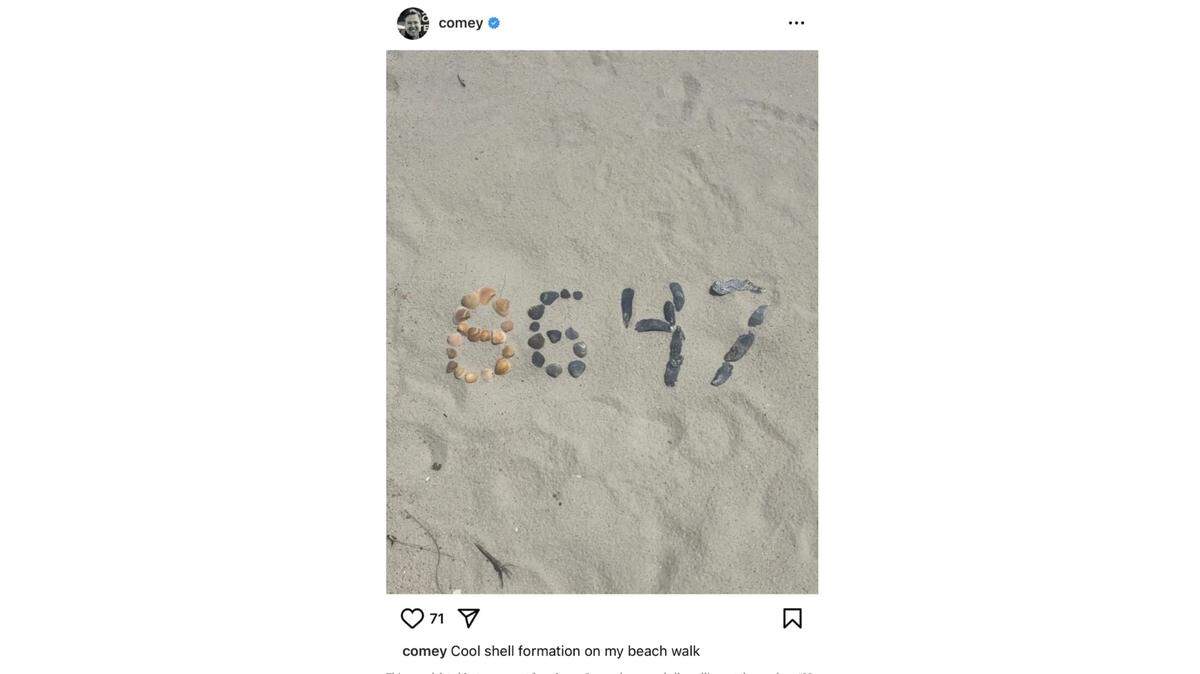
The order could help answer a lingering question since Comey’s April indictment: what evidence do prosecutors have that Comey allegedly threatened President Donald Trump beyond an Instagram post showing seashells arranged to read “86 47.”
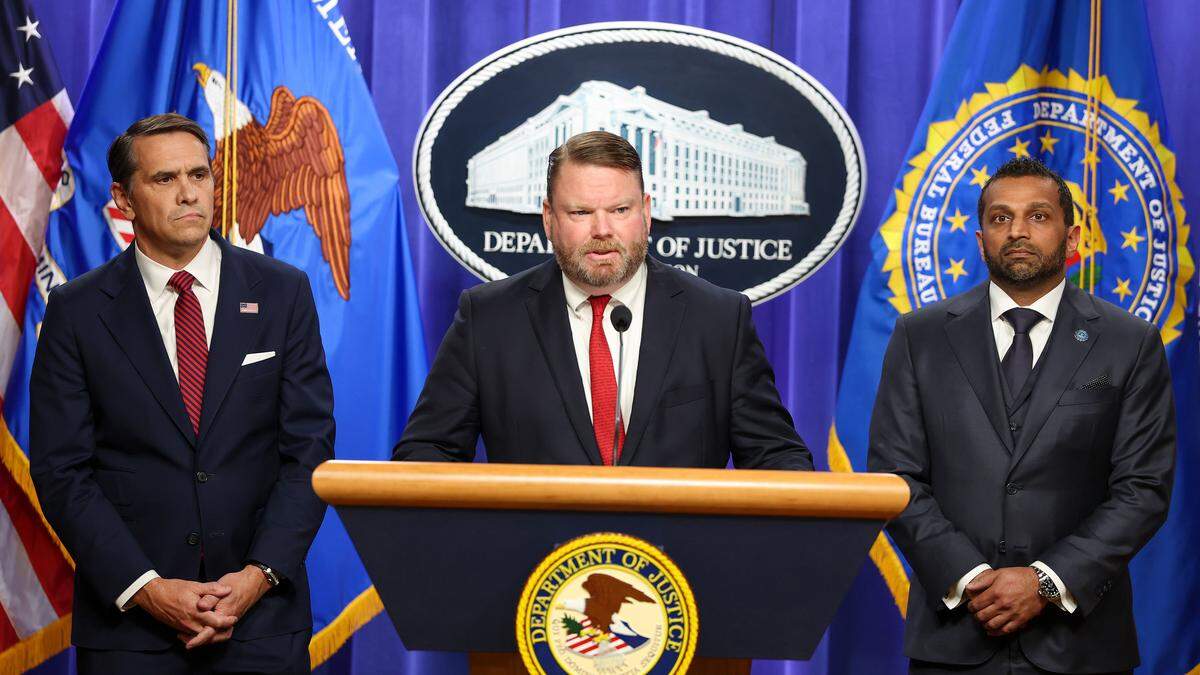
“Rest assured that it’s not just the Instagram post that leads somebody to get indicted,” Acting Attorney General Todd Blanche said in a May television interview.
The order, signed by U.S. District Judge Louise Flanagan, governs how evidence can be shared and used by the defense.
“It means they probably haven’t shared any of that information yet and will now that the order has been signed,” said Scott Holmes, a law professor at N.C. Central University.

How evidence can be shared in the James Comey seashell case
The order, filed in the federal Eastern District of North Carolina, limits what Comey and his attorneys can do with the evidence they are provided.
“Discovery material provided by the United States may be utilized by the defendant solely in connection with the litigation of this matter, including, among other things, preparation for trial, witness interviews, court filings, motion practice, sentencing (if any), appellate review (if any), and collateral attack (if any) of this case,” the order states.
Holmes described the order as generally routine but noted that it applies to all discovery materials rather than creating a process for designating only certain documents confidential.
While the order keeps the evidence from the public, Comey’s attorneys could still make some of it public through motions, Holmes said.
Sometimes defense attorneys use motions to get information to the public, Holmes said, but they may still need to confer with the government to determine whether material should be filed under seal to comply with a protective order.
What the filings say about the James Comey evidence
On May 15, 2025, Comey posted on Instagram a photo of seashells on a North Carolina beach arranged to read “86 47.”
Trump supporters alleged the numbers were a threat to kill the 47th president, and Comey took the post down, saying he wasn’t aware of the violent connotation.
The Merriam-Webster Dictionary defines 86 as ejecting, dismissing, or removing a person from a place, or an item from a menu.
Federal officials immediately began investigating the alleged threat, according to a motion filed by a prosecutor seeking the protective order.
“The government has compiled discovery in this matter, with the government’s investigation beginning on May 15, 2025, and continuing thereafter,” Assistant U.S. Attorney Timothy Severo wrote in the motion.
The motion, filed just before the protective order Wednesday, states that prosecutors consulted with Comey’s legal team, which consented to the proposed order.
The evidence includes documents that contain “personal identity information of third-party witnesses,” the filing states.
James Comey arraignment, trial set for fall
On April 28, a federal North Carolina grand jury indicted Comey on two felonies, accusing him of threatening the president with the post.
Comey’s attorneys are expected to argue the charges should be dismissed on constitutional grounds, including First Amendment protections.
They may also raise arguments about selective or vindictive prosecution. Comey’s team filed a similar motion challenging 2025 charges in Virginia.
Under the current schedule, attorneys’ motions are due July 28. Comey’s arraignment, a hearing in which he would plead guilty or not guilty, is set for 10 a.m. Sept. 30 at the federal courthouse in New Bern.
If the case proceeds to a jury trial, it is scheduled to begin Oct. 21, also in New Bern, where Flanagan is based.
This story was originally published June 25, 2026 at 5:30 AM with the headline "Court order advances James Comey case. Could it reveal prosecutors’ evidence?."