Charlotte, Mecklenburg, CMS all face turmoil. Can they weather it at once?
A mayor leaving her post less than halfway through her term and handing over power to an interim leader who has never held elected office.
A county social services department under state scrutiny over the gruesome death of a 6-year-old girl.
A school superintendent put on leave pending an investigation.
Any of those single news events would send shockwaves through a community. All three occurred in Charlotte since May, only about a year after the city faced questions over a secretive settlement with its outgoing police chief and the fallout from a heavily politicized murder on public transit.
The changes and controversies have roiled Charlotte at a time when trust in government at all levels is down. That could further drive down political engagement in a community that already has a reputation for low voter turnout, political scientist and pollster Michael Bitzer said.
“It’s simple human nature. If (voters) see a system that they don’t believe is working, especially for their benefit, they’re likely to say, ‘You know what, I don’t need to participate,’” said Bitzer, the director of Catawba College’s Center for North Carolina Politics & Public Service.
Longtime Charlotte political leaders and experts say it will be crucial for elected officials to focus on communication and the values that propelled them into office in order to weather their current issues and keep the community engaged.
“You have to come back to first principles, first principles being that your ultimate responsibility is to provide a service to the public, and taking that responsibility seriously, even when things are difficult,” former Charlotte Mayor and U.S. Transportation Secretary Anthony Foxx told The Charlotte Observer.
Controversies in Charlotte, Mecklenburg and CMS
Outgoing Charlotte Mayor Vi Lyles upended city government in May when she announced her intentions to step down June 30. She provided no reason for the move beyond wanting to spend more time with family. But she’s missed more than a third of council meetings since December, the Observer reported previously, marking the lowest attendance rate of her tenure amid whispered speculation about her ability to manage meetings.
While Lyles made history as the first Black woman to lead Charlotte and secured significant policy wins during her five terms as mayor, she faced questions about transparency and, at times, criticism for her handling of major issues such as public safety.
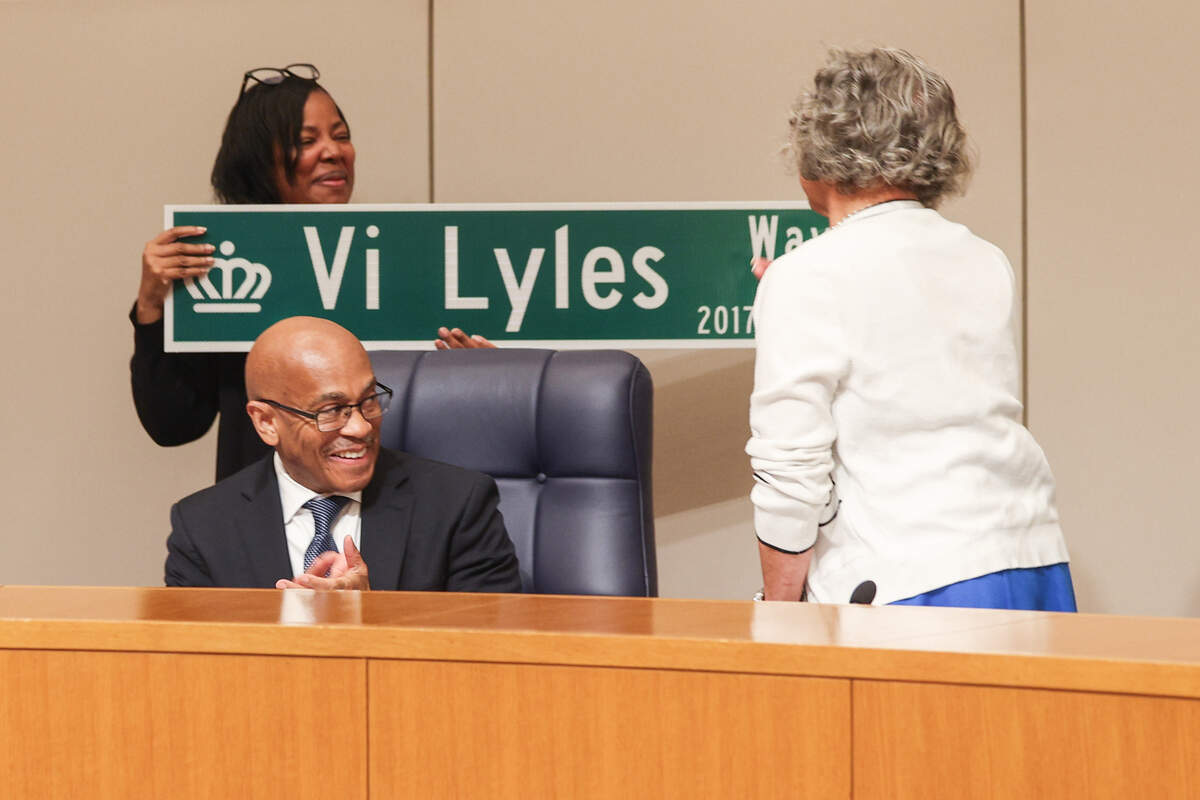
Robert Harrington, an attorney with a long history of involvement with civic and nonprofit boards but no experience as an elected official, becomes mayor Wednesday and will finish Lyles’ term. He’ll lead a city trying to stave off paying millions of dollars to get out of an unpopular highway project and City Council members likely to run against each other for a full term as mayor.
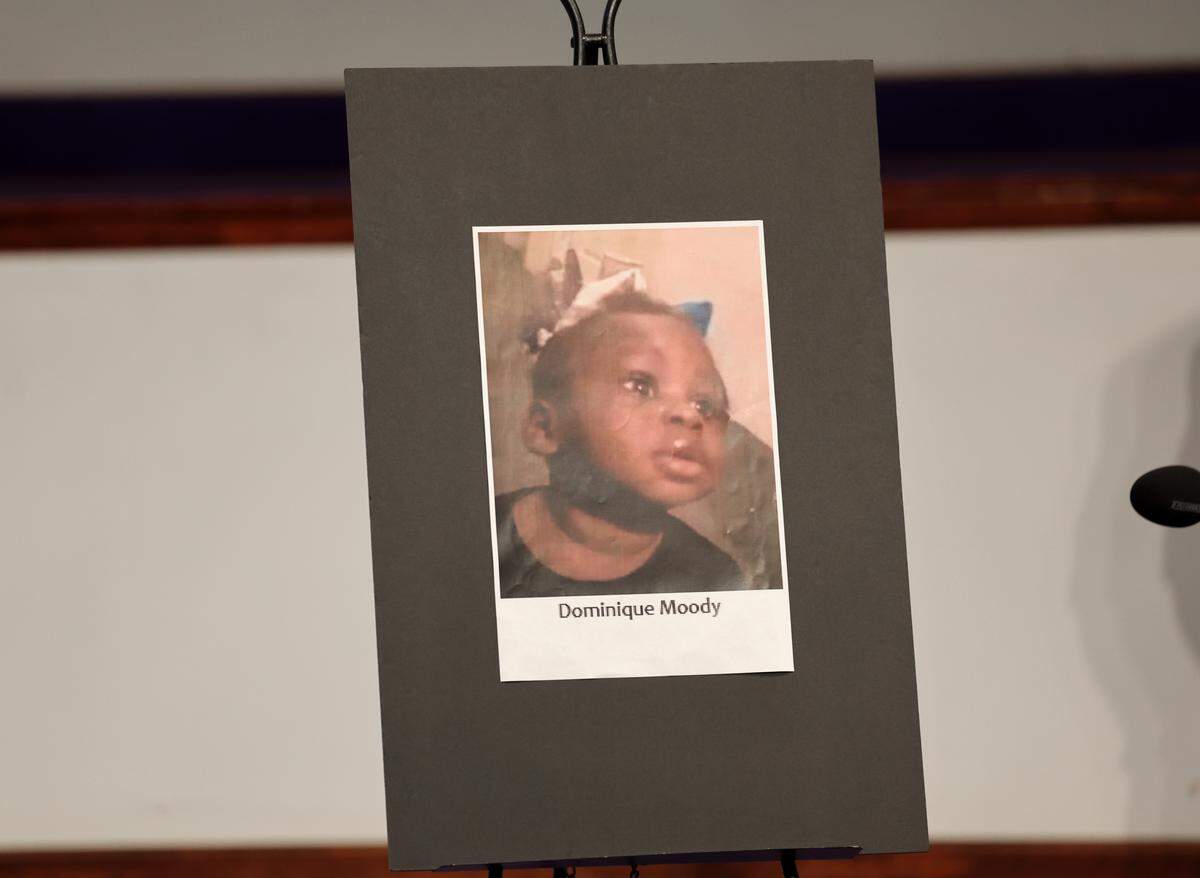
At the county level, the North Carolina Department of Health and Human Services ordered Mecklenburg to address problems with its social services department uncovered by an investigation into the death of Dominique Moody or risk a state takeover. The 6-year-old died in December showing signs of abuse and malnourishment.
Leadership of the North Carolina House Oversight Committee lambasted county leadership for their handling of the case at a June hearing and have since called for Mecklenburg’s district attorney to conduct criminal investigations into county social services employees involved with Moody’s situation. A bill named for the child to create a new statewide child abuse investigations team is included in the state budget proposal unveiled Tuesday.
And the Charlotte-Mecklenburg Board of Education announced in mid-June that Superintendent Crystal Hill was on paid leave pending an investigation into “matters involving administrative and operational oversight.” Hill has defended her record, saying she was “saddened” by the board’s actions but would cooperate with the investigation. The district has been plagued by frequent turnover in its top job in recent decades.
Can Foxx remember a time when all three main wings of local government in Charlotte were dealing with such big changes and controversies? Foxx said while there have “been periods of great tumult in local government in Charlotte,” they were “maybe not all these things happening at the same time.”
Will controversies drive disengagement in Charlotte?
Charlotte’s drama comes as voters across the country struggle with faith in their elected leaders. Only 2% of Americans said they trust government to do what is right “just about always” in Pew Research Center’s most recent polling. Just 15% said they trust government “most of the time.”
“While trust in government has been low for decades, the current measure is one of the lowest in the nearly seven decades since the question was first asked by the National Election Study,” Pew said in December.
Local governments have typically fared better than their state and federal counterparts in opinion surveys. But increased partisanship and polarization at the local level can drive up negative views of municipal government, Bitzer said. And controversies won’t help buck that trend, he added.
“When there is continued controversy kind of spread across multiple governing layers, the biggest hit is probably civic trust,” Bitzer said. “We know in general that trust in government is fairly low, especially at the federal level, but things of this nature tend to impact the level of government that has the greatest effect on the average citizen. I think that there would probably be some impact when it comes to trust in government at the local level.”
While most people still care about the aspects of local government that impact their daily lives, from trash pickup to the state of parks and schools, Bitzer said it’s easier for residents to disengage from what’s going on in the community in today’s fractured media environment where people can pick up and choose what news they want to hear.
“If people are seeing a system in controversy and chaos, is there much to blame them for saying, ‘You know what, I’m just going to tune out and focus on the World Cup or something else?” he said.
Mecklenburg County already struggles with typically low voter turnout, and Charlotte’s heavy Democratic lean likely won’t help draw people back into local politics, Bitzer added.
“It’s just another reason for voters to maybe consider throwing up their hands,” he said.

Former Mecklenburg County Commissioner Pat Cotham offered a slightly more optimistic view on whether recent controversies will increase the number of people tuning out local politics.
“I think there are people who check out, but I don’t know if they’re people who were really involved in the beginning,” said Cotham, who spent 12 years on the Board of County Commissioners and has been involved in local politics even longer.
Cotham worries about people avoiding difficult but necessary conversations about government and politics in an era of hyperpartisanship.
“The biggest thing I see that I worry about is so many people are in a bubble, and they’re in an echo chamber,” she said. “And you have to talk to people who think differently.”
How can local leaders rebuild trust in community?
Elected officials need to prioritize communicating with their constituents and helping lead those complicated conversations to get through tumultuous times, Cotham said. She recalled, for example, going out with a clipboard during her county commission tenure to collect opinions from hundreds of residents when deciding how to vote on whether to allow people to carry weapons in parks.
“If you talk to the people, and then people see you, then you start gaining trust,” she said.
Matt Lehrman, who works with local governments across the country to help them learn how to talk through sensitive issues, offers similar advice.
“I always start by asking local leaders to think about their oath of office and what the promise was that they made,” Lehrman said. “Because you know we campaign with all the fierceness and wedge issues and ferocity and all the things that are designed to get people to turn out, but when you win an election and you take the oath of office, and you actually stand there and make a promise. The oath actually means something.”
It’s important for elected officials and community members to talk about their values and how they “expect to engage with each other” in addition to talking about issues themselves, Lehrman said.
“I would argue to the elected bodies, to elected officers that they own the process and that their job is to establish values that make people know what they should expect when they come and visit with their school board or their city council or their county board,” he said.
Foxx echoed the calls for a focus on communication and for local leaders to be “driven by a desire to be truthful to the public and true to the mission.”
“You try to make sure people understand that not only do you understand the dimensions of the problem at issue, but you also have ideas about how to solve that problem,” he said. “And as you’re working to solve the problem, you’re also communicating about how that’s going. Sometimes you have to make mid-course adjustments in the course of trying to tackle a very difficult, thorny issue. But communication is such an important aspect of it.”
Foxx also hopes residents understand the difficulties officials face in their work in an era of political division and misinformation.
“Leading is hard right now … But you know the other side of that is that for all of those problems, it’s still extraordinary that we have people who want to come in and try to do that work and do it honestly,” he said. “... It’s still a noble venture.”
This story was originally published July 1, 2026 at 10:36 AM.