‘Don’t let them take your voice away’: Domestic violence survivors face voting challenges
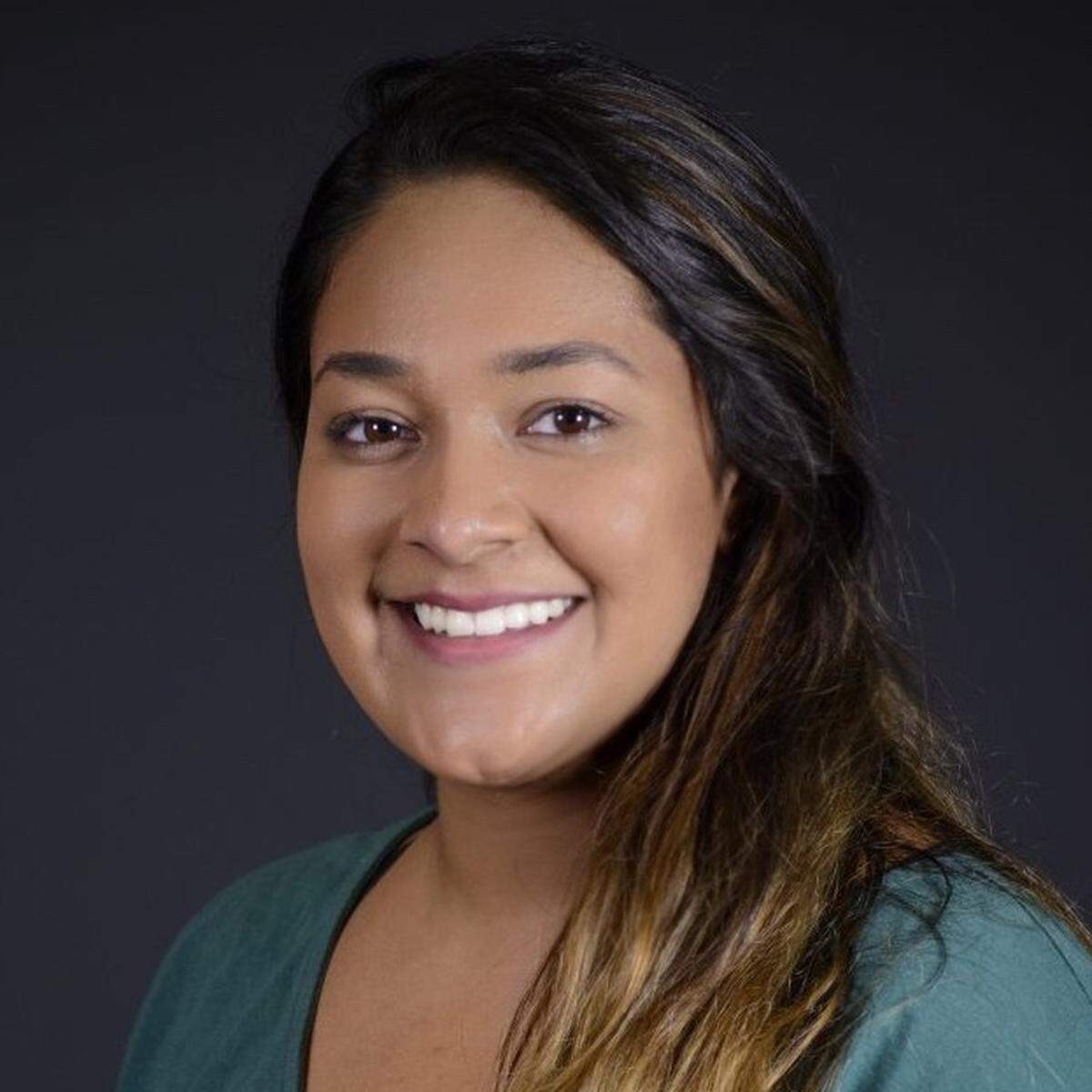
Midori Davidson distinctly remembers the fear and paranoia she felt while registering to vote in 2008, several months before the presidential election.
“I was afraid to vote, but I went on ahead and registered,” she said. “Even while sitting there, I was thinking about what could happen in the back of my head.”
She had just fled to Michigan from Charlotte a few years prior to escape an abusive relationship. Her partner of nearly two years had held her at gunpoint and strangled her, and when she managed to get away from him, she drove 12 hours that night to her grandmother’s home.
As she waited for her name to be called to register to vote, her mind raced.
“What if he finds me online? I was scared, paranoid and anxious,” she said. “And I felt alone. Because for the first time I had the freedom to do something that I’m supposed to do, but I didn’t want that freedom to be snatched.”
Experts say domestic violence can be a form of voter suppression. Friday is the last day to register to vote in North Carolina for the Nov. 3 election. (Limited same-day registration is available in person at early voting sites).
Domestic violence survivors like Davidson face unique voting challenges, both when trying to register and voting. Some have privacy concerns — your address becomes publicly available when you register to vote, which can be dangerous for survivors. And others might still live with their abusers, who might try to prevent them from voting as an abuse tactic.
Nationally, 20 people are physically abused by an intimate partner every minute, and the North Carolina Council for Women and Youth Involvement fielded 112,860 crisis calls from July 2018 to June 2019.
With more people at home because of the pandemic, domestic violence rates have spiked nationally and locally since March. According to the Charlotte-Mecklenburg Police Department, domestic abuse was up 18% in March.
And domestic violence disproportionately affects women of color, particularly Black women, an already disenfranchised group with potentially huge sway in the election, experts say.
‘The tip of the iceberg’
Karen Parker, president and CEO of Charlotte’s Safe Alliance, a family services organization that serves survivors of domestic violence and sexual abuse, said crisis calls to the organization went up about 50% during the first few weeks of the pandemic.
Though calls remain up about 20%, she thinks it’s still not representative of how widespread domestic violence is and how the pandemic has perpetuated it.
“We’re probably only seeing the tip of the iceberg at this point,” she said. As the voter registration deadline looms, she said, calls about voting have increased this week.
Though voting is a major issue for domestic violence survivors, she said it’s not talked about enough.
“When you’re dealing with domestic violence, you want to vote. But when you’re looking at if it’s safe to fill out the ballot and leave the house and risk being seen, many will choose safety first,” she said. “But many don’t talk about it that much because when people are dealing with violence, the violence itself is the primary issue. There are so many things they face.”
Parker said if a domestic violence survivor wants to vote, they have to work preemptively to get ahead of the situation.
Domestic violence survivors who no longer live with their abusers still might not want their address public because of stalking and other concerns. If a survivor has a restraining order against their abuser, they can request their address remain confidential as a voter. Others can enroll in the state’s address confidentiality program, which Parker said is an underutilized tool.
“Even after domestic violence victims separate from their abuser, that’s often when violence (the) level tends to go up because that’s when the perpetrator has lost control of the survivor,” Parker said. “We work with victims who move house to house, state to state. It’s very common to see stalking, and abusers will use any tool they can find. One of those tools is public records.”
The North Carolina Coalition Against Domestic Violence’s LGBTQ services specialist Molly Marcotte said only about 900 are currently registered in the program statewide. It doesn’t require a protective order, which many marginalized survivors might not be able to access, whether because of discrimination or a choice to not engage with the criminal legal system due to a lack of trust.
Treanna Wilson, who serves on the Charlotte-Mecklenburg Domestic Violence Speakers Bureau, said she thinks many don’t take advantage of the program because they don’t know it exists, and it can be utilized beyond election time.
Survivors can request absentee ballots to avoid voting in person, but beyond requesting their address remain confidential, many still want to vote in person. Absentee ballots for Black voters already are being rejected at higher rates than those from their white counterparts in North Carolina because of incomplete information. Despite accounting for less than 16% of overall ballots returned in North Carolina, Black residents account for more than 40% of those rejected.
Marcotte said some survivors might “feel more comfortable and certain their ballot would get received and counted if they go vote in person,” while others might want to vote in person because it feels empowering.
But safety planning is essential, they said, and one option is voting early, which increases survivors’ options of polling places, dates and times. Survivors can choose a precinct that is unaffiliated with their home, work or shelter location. If they know their abuser’s schedule, such as work hours, they can vote during that time, decreasing the likelihood of seeing them.
“You have more days to go and be less predictable in daily patterns that might be tracked,” Marcotte said. “Survivors have to be so creative and strategic in their daily movements.”
They can also bring along someone from their support network.
Davidson, who now serves on the Charlotte-Mecklenburg Domestic Violence Speakers Bureau and is the board treasurer for a national domestic violence organization called Breaking the Silence Against Domestic Violence, said it feels like the survivor has no privacy.
“It really is such a hurdle because of exposure. That’s the thing we are afraid of — being exposed, being seen,” she said. “And in communities like Charlotte where everybody knows everybody, God forbid someone’s working the polls who knows your abuser.”
If someone is still living with their abuser, the perpetrator might withhold an absentee ballot from them or prevent them from voting in other ways as an abuse tactic. Parker said the best option is to call a support hotline, like Safe Alliance’s. Experts can help survivors prepare early and create a safety plan.
Getting her voice back
Davidson can still feel the tears on her cheeks and harsh northern air biting her face as she trudged through snow to vote in the 2008 election in Michigan.
A few days prior, she had called her grandmother. Davidson excitedly shared she was planning to go vote, though a part of her was still scared because of her experiences with her abuser, and her grandmother, Davidson said, “got really quiet.”
“Granny, you OK?” Davidson asked.
“Yeah,” she said. “I’m just so happy you’re getting to go vote.”
Her grandmother explained she wasn’t allowed to vote in Jim Crow-era Mississippi where she grew up.
“Let me tell you something. You’re not a punk. You’re going to go vote, and you’re going to do it for the people who couldn’t vote,” she said. “Don’t let anyone take away your power. You define who you are — no one else. Don’t let them take your voice away.”
Davidson said as she stood in line to vote, she thought of her grandmother’s words.
“I remember how heavy my legs felt, and as cold as it was, I was sweating bullets,” she said. “But I realized I had this freedom to do something that was my natural right. I needed to vote for policies to protect women.”
Wilson said the votes of Black women, who are most affected by domestic violence, could change this presidential election.
“Black women are the demographic that can really push and move a person’s chance of winning, so when Black women are disenfranchised, it’s a disservice to all of us as citizens,” she said. “Black women are on the ground, especially in this particular presidential election, and doing the work.”
When Davidson cast her vote, she said she felt liberated, like she got her voice back. She’s looking forward to voting in this election, too.
“With Black women in particular, we have poor resources in all arenas. And there’s a huge mistrust with the political system. We never had any trust for politics because we always felt it was a system that was set up to never be inclusive to us,” she said. “But now seeing more women of color coming to the forefront of politics, I think it’s going to change the trajectory.”
Davidson’s abuser no longer occupies all corners of her mind, and she has returned to North Carolina as an advocate for those who are experiencing what she went through 15 years ago because she knows the work is important.
“Going to vote is like taking a Band-Aid off a raw wound that hasn’t healed. It hurts,” she said. “Survivors, surround yourself with wise counsel. Talk it through and look at options that will best protect you. Healing is a long journey, and you can’t do it alone.”
Here are some state and local resources if you or someone you know is in need:
- Safe Alliance: 980-771-4673 (crisis line) and 704-336-4126
- Mecklenburg County Community Support Services: 704-432-7233
- North Carolina Coalition Against Domestic Violence: 919-956-9124
- Atrium Domestic Violence Healthcare Project: 704-446-3999
This story was originally published October 9, 2020 at 6:00 AM.