
The 2020 elections will decide the makeup of NC’s top courts. Here’s what’s at stake.
Eight statewide races could change the makeup of North Carolina’s two highest courts and affect voting rights, education and how government agencies enforce regulations.
Three North Carolina Supreme Court seats and five Court of Appeals seats are up for grabs on Nov. 3, and the outcomes could be far-reaching for voters, families and businesses.
“What’s at stake are the laws that are going to govern North Carolinians for at least the next four years,” said Jon Guze, director of legal studies at the Raleigh-based conservative think tank the John Locke Foundation.
Cases expected to come before the Supreme Court include a challenge to the program that seeks to expand school choice through private school vouchers; voter redistricting; and death penalty litigation.
The Supreme Court
The North Carolina Supreme Court includes one chief justice and six associate justices who serve eight-year terms. The court has exclusive jurisdiction over some appellate cases, such as those involving the death penalty and termination of parental rights, but also hears cases in which the Court of Appeals was split.
The court decides whether challenged laws should be struck down and sets precedents for a variety of legal issues that affect criminal trials, child custody battles, business liability and others.
The current makeup of the court includes six Democrats and one Republican, Paul Newby. If all Republican candidates win, Democrats’ majority would shrink to a 4-3 split. If all the Democratic candidates win, the liberal majority would sweep the court.
Newby, who has been on the Supreme Court since 2004, is challenging Cheri Beasley for the chief justice seat. Beasley served as an associate judge for seven years before Gov. Roy Cooper appointed her as chief justice.
.jpg "Chief Justice Beasley_2 (1).jpg")
Two Court of Appeals judges, Phil Berger Jr. and Lucy Inman, are running for associate justice Seat 2.
Berger, the son of state Senate leader Phil Berger, was elected to the appellate court in 2016 after serving as an administrative law judge for two years and a district attorney for eight years for Caswell and Rockingham counties.
Inman was elected to the Court of Appeals in 2014 after serving four years as a special superior court judge appointed by then-Gov. Beverly Perdue.
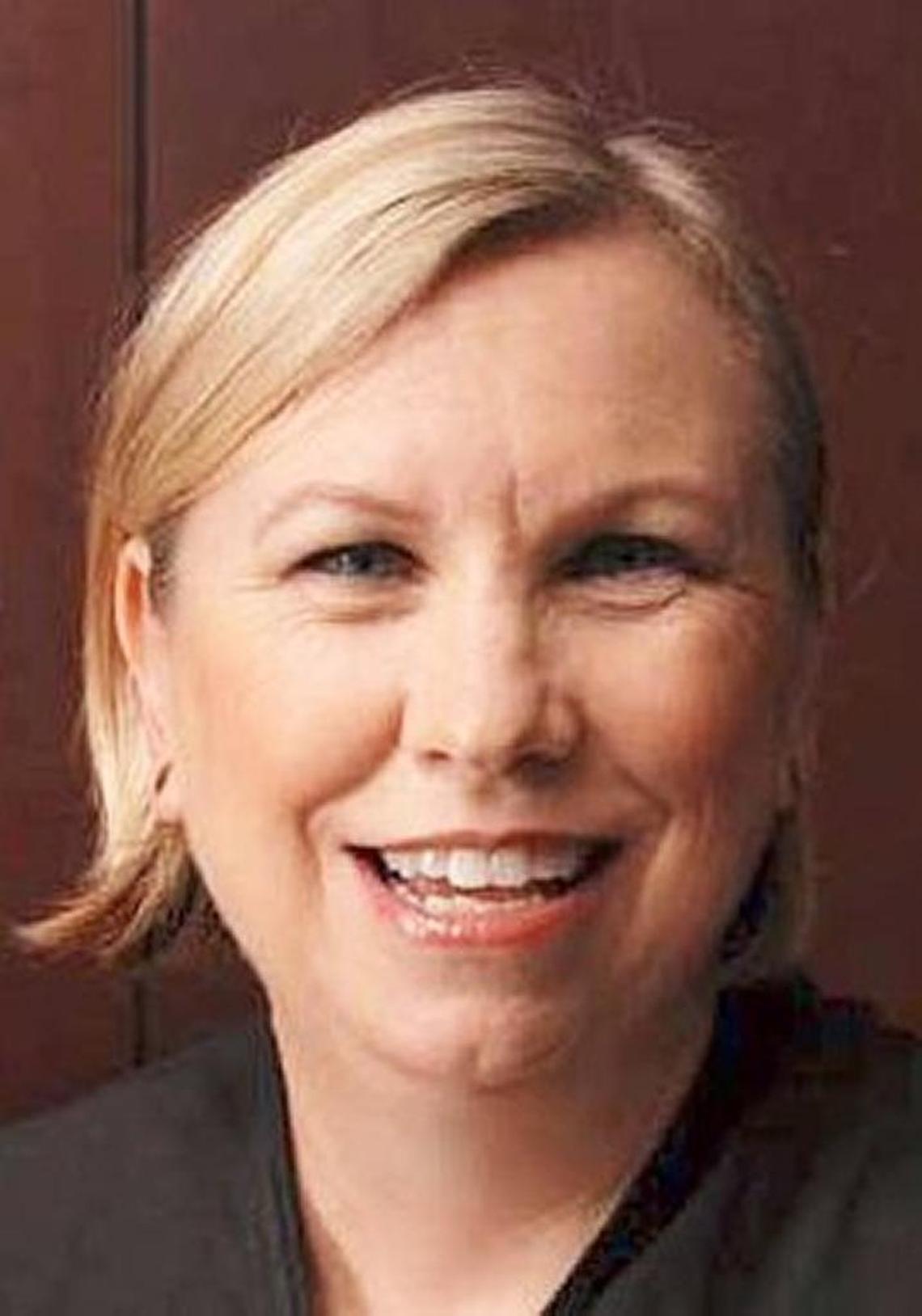
In the third race, Republican Tamara Barringer, an associate professor at UNC-Chapel Hill’s Kenan-Flagler Business School and former state senator, is challenging Mark Davis, who was appointed to the Supreme Court by Cooper to fill the vacancy left by Beasley’s chief justice appointment.
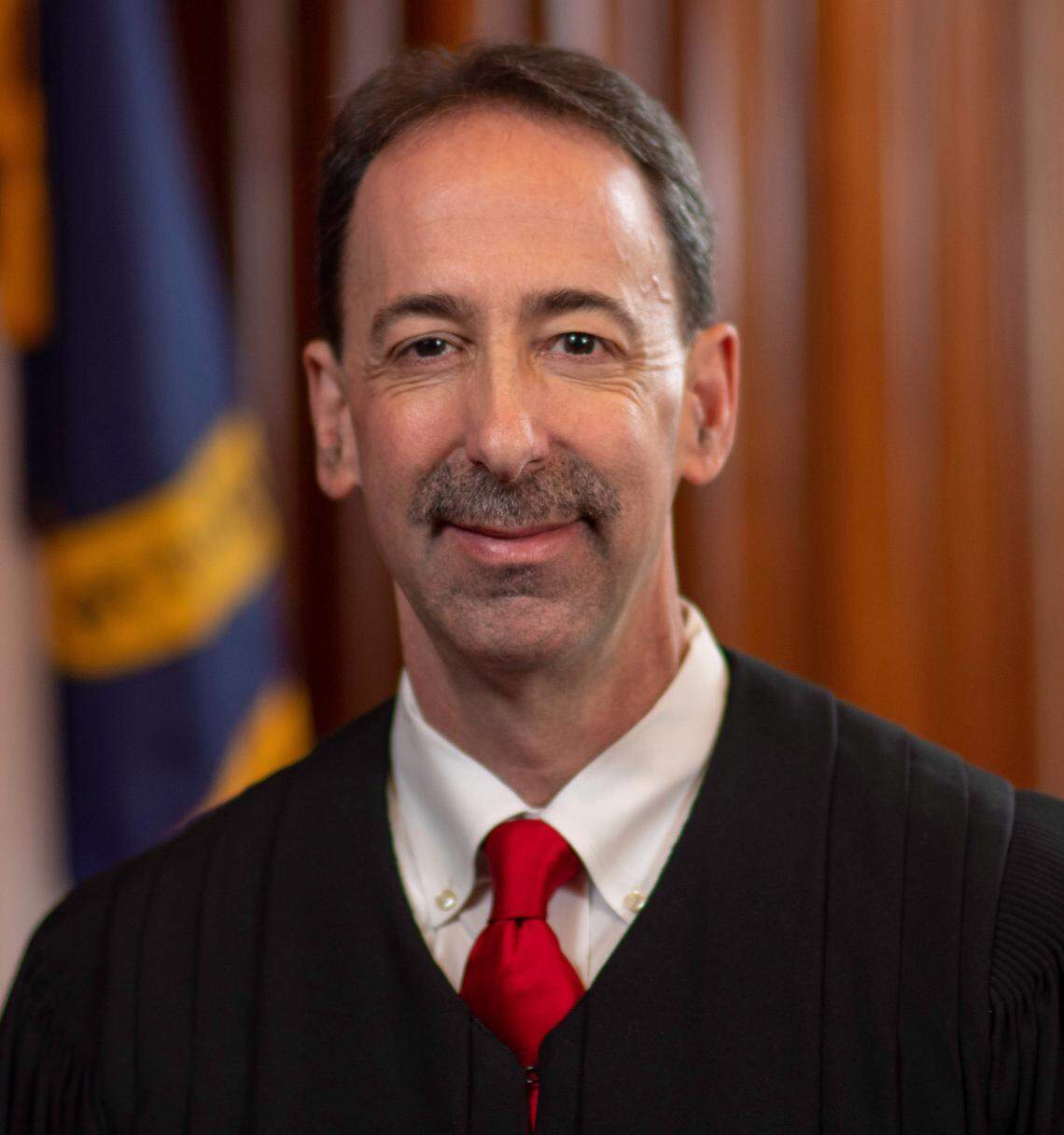
Davis served on the Court of Appeals for seven years after serving as general counsel to Perdue for two years and as a special deputy attorney general for five years.
Barringer, who lives in Cary, was a state senator for eight years until she lost her reelection bid in 2018.
In the race for the three Supreme Court seats, candidates have raised more than $4 million, with Democrats raising nearly twice as much as Republicans in the reporting period that ended June 30, according to campaign finance reports.
Beasley, who raised more than $1 million, brought in the most followed by Inman and Davis, who both raised more than $760,000.
Political parties
Linking the courts and partisan politics is problematic for some attorneys and judges, including former Supreme Court Justice Bob Orr, who points to judicial standards that decisions be made free of fear or favor.
Orr, a Republican, said he doesn’t put as much emphasis on party affiliation as many do, noting a shift from a Democratic to a Republican majority court while he sat on the court from 1994 to 2004.
Regardless of the majority party, the wheels of justice continued to turn effectively, he said.
Judges understand they are supposed to be neutral, he said, and their job isn’t political. More important than party, he said, are qualifications and whether they are conscientious about the work and trying to make the right decisions.
“We damage the view of an independent judiciary if we on the outside view everything the court does through a partisan lens,” he said. “That is just not the way the court works.”
But millions of dollars in fundraising and actions by the General Assembly over the years indicate there’s a lot at stake.
Supreme Court and Court of Appeals races were nonpartisan for 14 years until a Republican-led state legislature approved a law in 2015 that made them partisan again starting in 2018. Party affiliations were listed for Court of Appeals candidates in the 2016 elections, but the races was still technically nonpartisan.
Orr said judicial elections were partisan for 136 years in North Carolina, when the Democratic Party dominated the state. The Democrats changed judicial elections to nonpartisan elections in 2004 as Republicans gained momentum with voters, he said.
“We are always stuck in the ‘well, this isn’t about political parties,” said Nana Asante-Smith, president of the North Carolina Association of Black Lawyers. “I guess it is not, but we have to be willing to recognize the implications of politics, not just within these type of races but in much of what happens in society.”
Judicial candidates’ party affiliation signals their approach to interpreting laws and the state constitution, Asante-Smith and others said.
Republican judges tend to apply a more originalist interpretation that focuses on the original understanding and intent of the law at the time it was adopted.
Democratic judges tend to approach the law and constitution as a living document that reflects societal evolution.
Critics of originalism question the fairness of laws that haven’t kept up with or adjusted to societal evolution.
The approach provides, “very little, if any, wiggle room for interpretation of these laws that were written by white men for white men in a time when people of color, Black people in particular, had been rendered less than human,” Asante-Smith said.
Critics of the living document approach, including Guze, say such thinking results in “activist judges” turning the court into a “super legislature.”
“They can decide for themselves which laws will be enforced and which ones will be rejected,” on the basis of their policy preferences, he said.
Orr described the discussion of those philosophies as an over-generalization of how federal judges interpret the U.S. Constitution and said it had limited application in the state.
“It is something that people in think tanks talk about, not what people in the North Carolina courts talk about,” Orr said.
Court of Appeals
Fifteen judges on the North Carolina Court of Appeals, in panels of three, hear most of the appeals from the state’s District and Superior courts. Five of those seats are up for election.
The Court of Appeals is the workhouse of the appellate system, Orr said, as it gets the most volume but not as much of the political attention.
In the fiscal year that ended June 30, the Court of Appeals disposed of 1,892 appeals and petitions, more than three times the Supreme Court, according to North Carolina Judicial Branch data.
“They are crucial in terms of forecasting what people can expect in terms of how their rights will be interpreted,” Asante-Smith said.
Currently, the court includes eight Democrats and seven Republicans, so the five races could shift the makeup of the court.
In the 2016 election, Republicans won all five contested seats.
This year Democrat Tricia Shields, an attorney and Campbell University Law School instructor, and Republican April Wood, a District Court judge from Davidson County, are running for Seat 4.
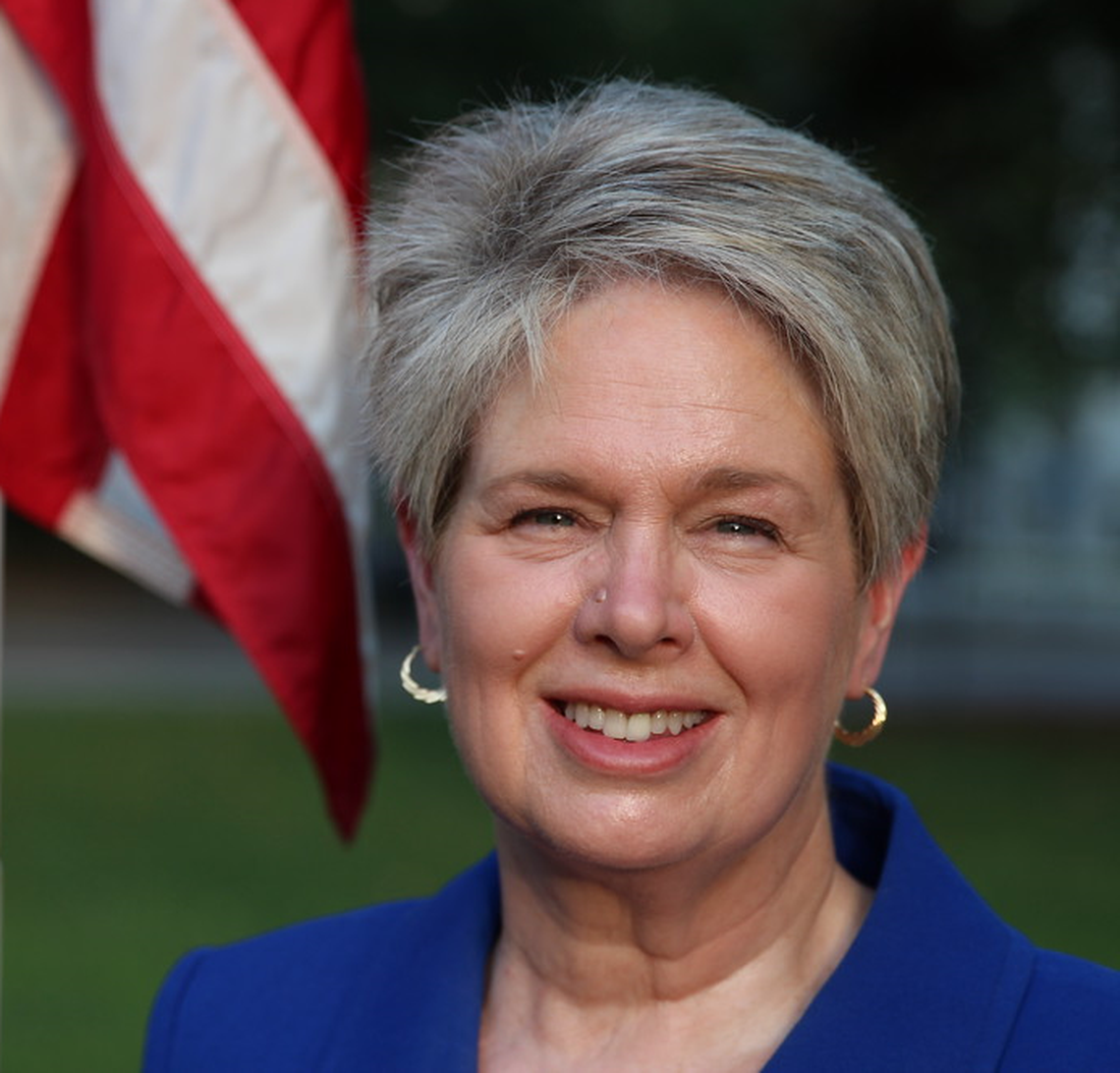
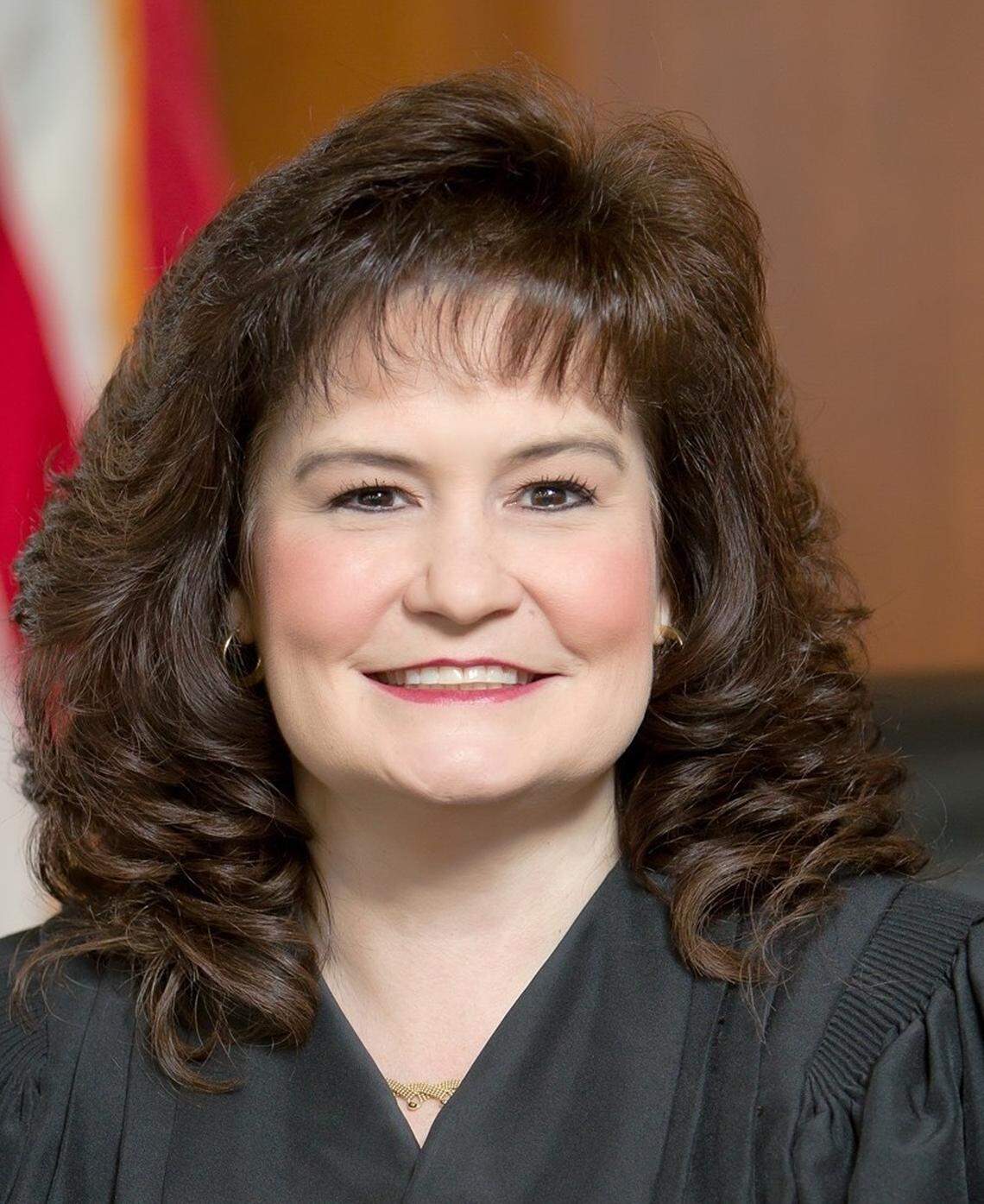
District Court Judge Fred Gore, a Republican from Brunswick County, and Democrat Lora Christine Cubbage, a Guilford County Superior Court judge, are vying for Seat 5.
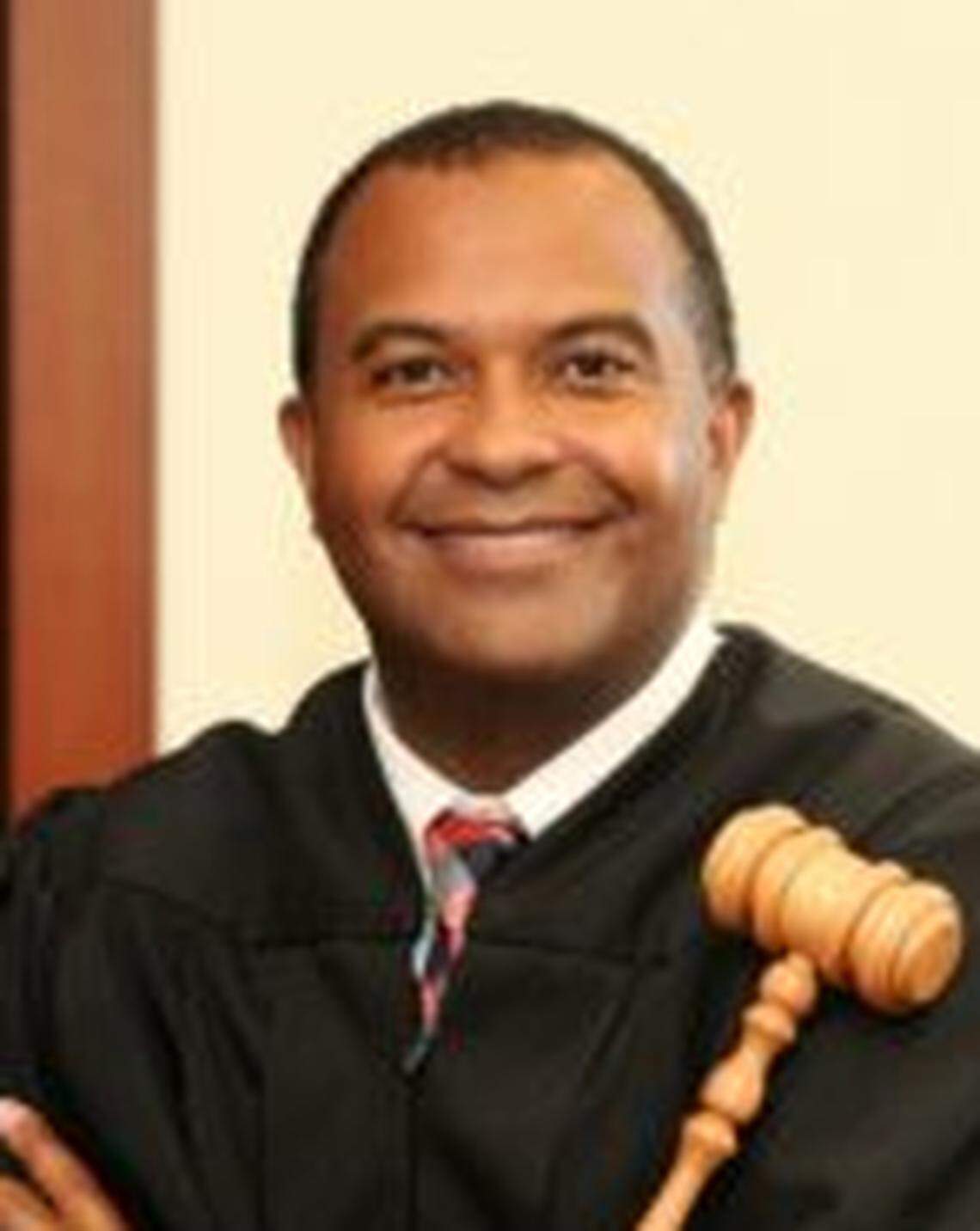
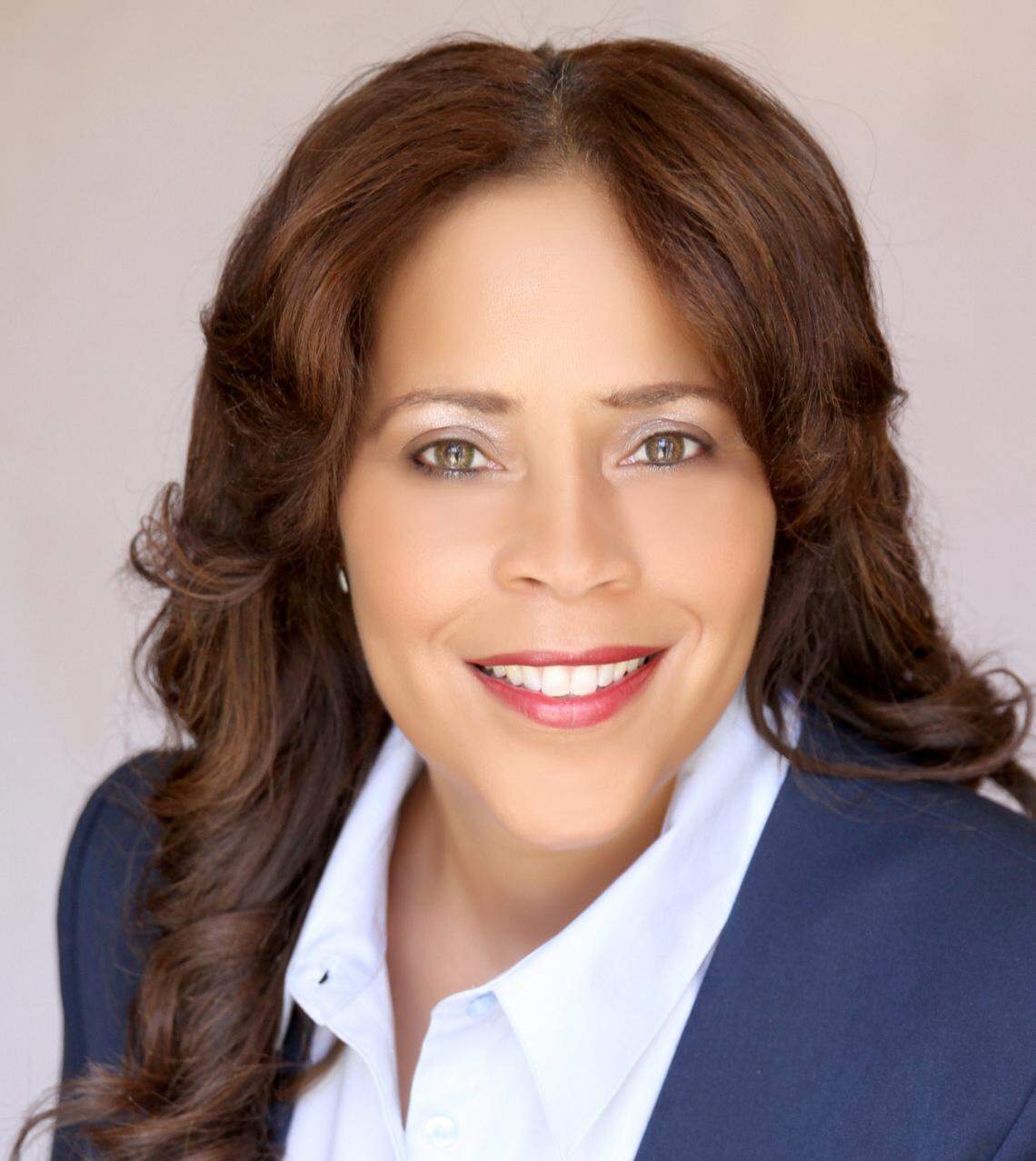
Gray Styers, a Democrat and Raleigh attorney, is challenging incumbent Republican Judge Chris Dillon for Seat 6.
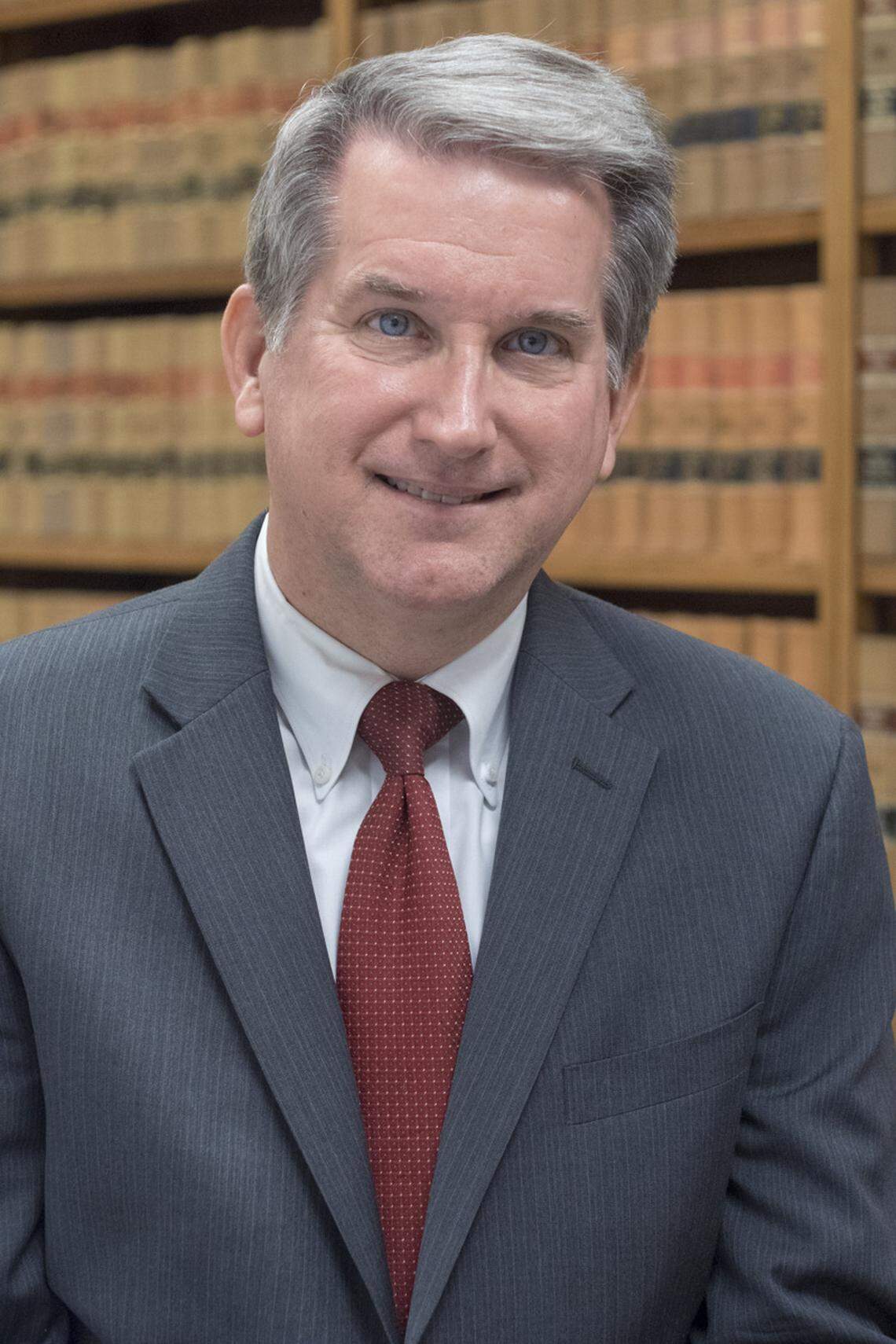

Union County Superior Court Judge Jeff Carpenter, a Republican, is challenging incumbent Judge Reuben Young, a Democrat who was appointed by Cooper in 2019, in a race for Seat 7.
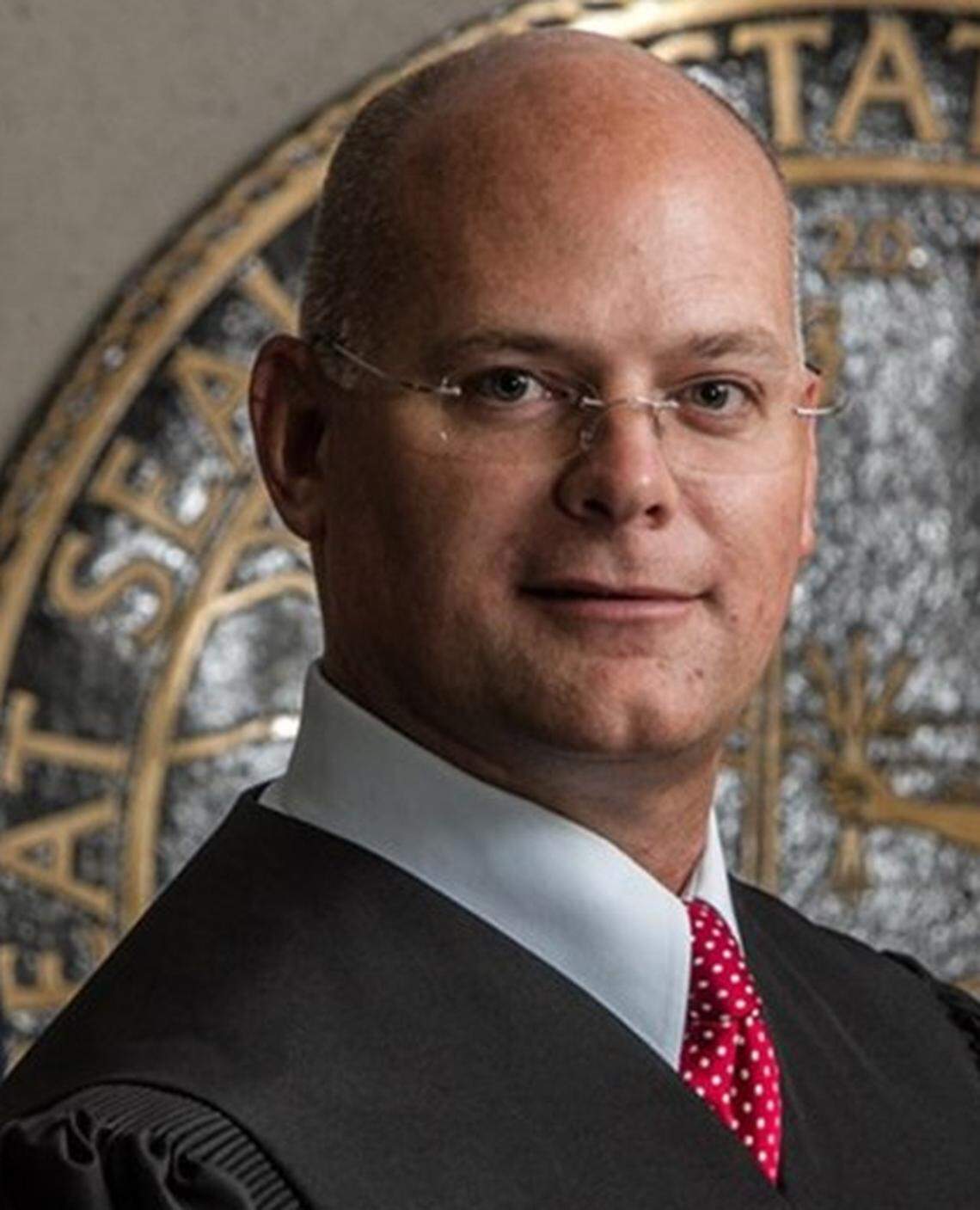
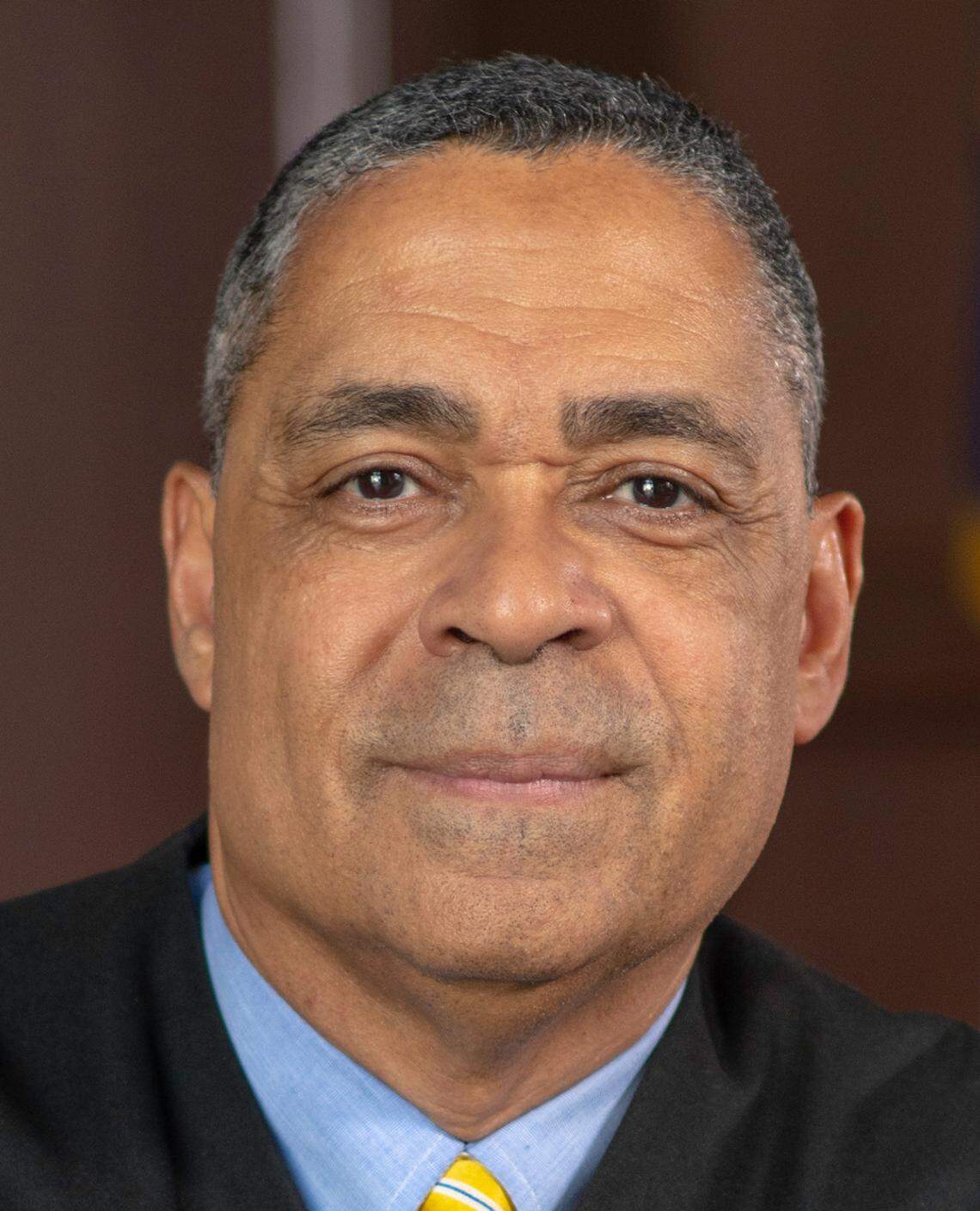
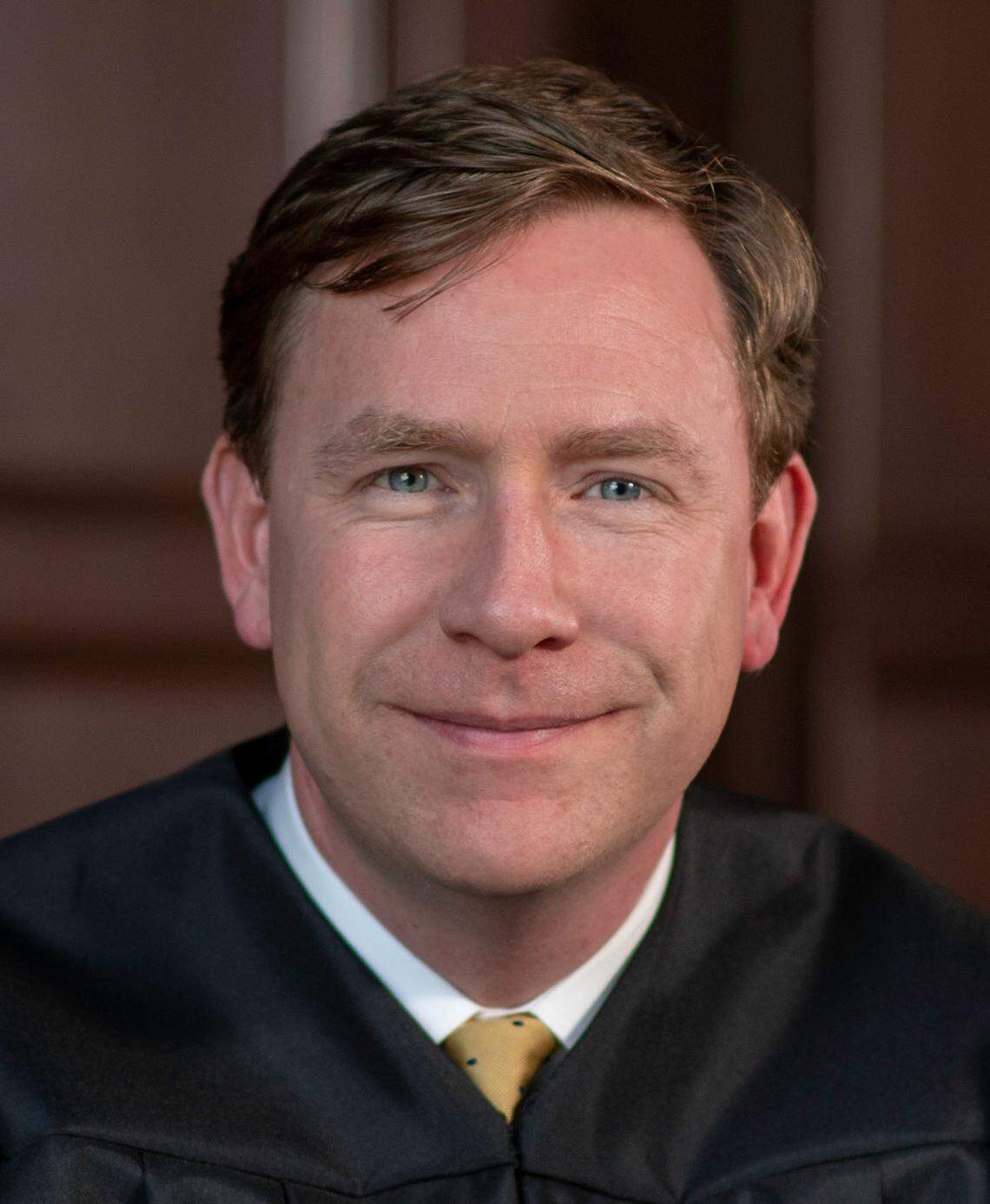
Jefferson Griffin, a Republican and Wake County District Court judge, is challenging incumbent Judge Chris Brook, a Democrat appointed by Cooper in 2019, for Seat 13.
This story was originally published October 11, 2020 at 3:08 PM with the headline "The 2020 elections will decide the makeup of NC’s top courts. Here’s what’s at stake.."
