Trump takes lead in tight race in NC with boost from suburbs and rural counties
President Donald Trump continued to lead over Democrat Joe Biden in North Carolina Wednesday, after boosts from strong support in rural and suburban counties.
With virtually all precincts reporting, Trump led 50% to 48.6%, according to the State Board of Elections. The numbers included the results of a historic early vote that saw more than 4.5 million North Carolinians cast ballots before Election Day.
Though early votes traditionally favor Democrats in North Carolina, Trump took 50.2% of that vote and was winning the Election Day vote easily. Biden won absentee mail-in ballots by about 375,000.
A New York Times/Siena College Poll last week showed that 76% of N.C. Democrats said they’d already voted compared with 58% of Republicans.
The final margin will come down to uncounted absentee votes and provisional ballots.
On Tuesday there were nearly 137,000 absentee ballots that had not been returned. Some of those voters could have voted in person on Election Day, mailed their ballots in by then or decided not to vote. Officials have until Nov. 12 to count any ballots postmarked by Tuesday. Biden won two-thirds of the absentee vote already counted.
While Biden was rolling in urban areas and traditionally Democratic counties in the northeast on Tuesday night, Trump was winning most everywhere else. He jumped out front the same way he did in 2016: By turning the state’s many rural and suburban counties into a Republican red sea.
In nine visits to North Carolina, Trump worked to boost turnout in these counties by holding rallies not in the state’s big cities but in places like Hickory, Greenville and Fayetteville.
These voters, many of whom cast their ballots on Election Day, eventually outnumbered those in the urban counties, who went big for Biden.
In Gaston County, the margin was 63.4% to Biden’s 35.4%. In Catawba, where Trump held a rally in the final days of the campaign, he had 67.9% to Biden’s 30.7%. In Johnston County, near Raleigh, Trump was up 59.3% to Biden’s 39.2%. And in Cabarrus, the race was closer, but Trump was still ahead, 53.3% to 45.3%.
A New York Times exit poll showed Trump won suburban areas by 19 percentage points. It also showed that while Biden won college graduates, Trump captured those with no college degree — and they made up two out of three voters.
Nine Trump visits
With 15 electoral votes, North Carolina was a battleground for both candidates. But most analysts say it’s particularly crucial for Trump.
Amy Walter of the Cook Political Report said Trump needs to run the table with North Carolina and five other “tossup” states to have a chance of winning, and he’d still need a state where Biden was ahead in the polls.
North Carolina’s importance to the president was reflected in his travel.
The president’s visit to Fayetteville Monday was his 9th to the state since late August when he spoke at the GOP convention in Charlotte, and second in two days after Sunday’s rally in Hickory. Vice President Mike Pence and members of Trump’s family also have made multiple visits to the state. First Lady Melania Trump appeared in Huntersville Monday afternoon.
By contrast, Biden visited the state only twice since the end of August. Vice presidential nominee Kamala Harris made three trips.
The presidential campaigns and their allies have spent more than $147 million on ads in North Carolina, according to Advertising Analytics. That’s more than in all but Florida, Pennsylvania and Michigan.
Polls consistently showed a razor-close race with each candidate within the margin of error. Trump led Real Clear Politics polling average by less than a point Monday.
On Tuesday, Biden was outperforming Clinton’s margins in urban counties. The former vice president was getting 67% of the vote to Trump’s 31% in Mecklenburg County. In 2016, Clinton won the county including Charlotte, 62.3% to 32.9%.
In Wake County, too, Biden was doing better than Clinton did four years ago. Biden was ahead of Trump, 65% to 33%, in the county including Raleigh. Four years ago, Clinton’s victory margin in the county was 57% to 37%.
But in the three “bellwether” counties that have voted the same way North Carolina has in the last three presidential elections, Trump won Hyde, Caswell and Jackson counties.
And Trump was way ahead in Robeson County, long a predominantly Democratic county that went for Trump in 2016. Both Trump and Biden wooed the Lumbee tribe, which is headquartered in a county where 42% of the population is Native American. Robeson has voted for the White House winner in the last three elections.
Gender gaps
Biden voters in North Carolina identified racial inequality, COVID-19, and health care as their most important issues, according to the exit poll. For Trump voters, the top issues were crime and safety and the economy.
Like many Democrats, Biden enjoyed strong support from female voters. The New York Times exit poll had Biden ahead with N.C. women, 53% to 45%.
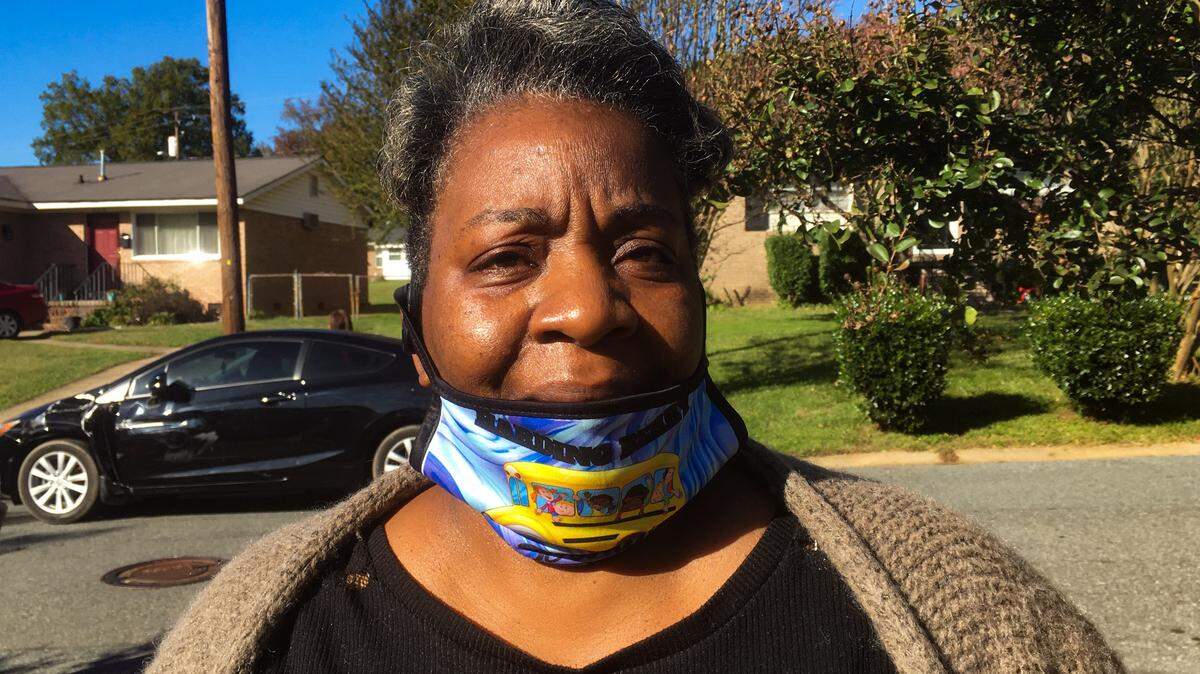
Treangela Mayes, 51, of Charlotte, said she voted for Biden on Tuesday “because we need a change,” especially when it comes to handling COVID-19.
“Getting control over the coronavirus — that’s my main concern,” said Mayes, a transportation supervisor with Charlotte-Mecklenburg Schools. “I have a close friend who’s dealing with it and has been out of work for months.”
Her view of Trump: “He’s a very rude person.”
Catawba College political scientist Michael Bitzer said Sunday that 64% of all registered women had cast an early vote compared to 59% of men.
“What is particularly striking is that two-thirds of all the urban-suburban women early-voted, the group with the largest percentage of early votes of any in the state,” he said.
The flip side of the gender coin is Trump’s lead among men, who favored Trump in North Carolina, 53% to 44%, according to the exit poll.
“Donald Trump is for all the things I’m for,” said Charlotte’s Pete Boyer, 59, a retired cook and musician who voted for Trump on Tuesday. “He’s taking care of Social Security and Medicare. And I think he’s been doing a great job on the economy.”

Biden also needed a strong turnout of Black voters. And in early-voting, they were under-performing their registration. Black voters made up 19.5% of early voters; they comprise 20.6% of registered voters. According to the exit poll, 91% of Black voters favored Biden to Trump’s 7 percent.
White voters in the state opted for Trump, 66 percent to 32 percent, the exit poll said.
Seventy-two percent of Black voters in last week’s New York Times/Siena poll said they’d already voted, compared with 64% of white voters.
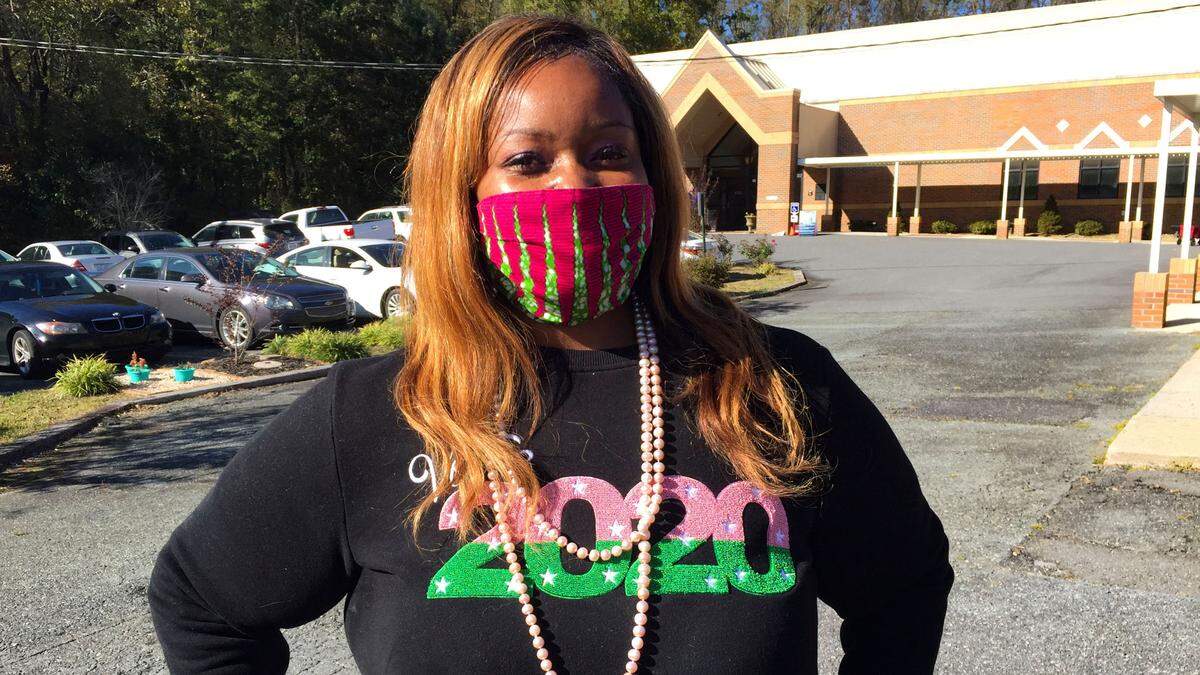
Danielle Sanders is an African American voter from Charlotte. She said she was excited to vote for Biden.
“I wanted somebody who could appeal to . . . those who voted for Trump in the past,” said Sanders, 40. “I think he has.”
A bigger turnout among young people, many of whom sat out the 2016 election, was also part of the Biden game plan.
On Tuesday, Saniya Higdon, 18, of Charlotte, cast her first-ever vote — for Biden.
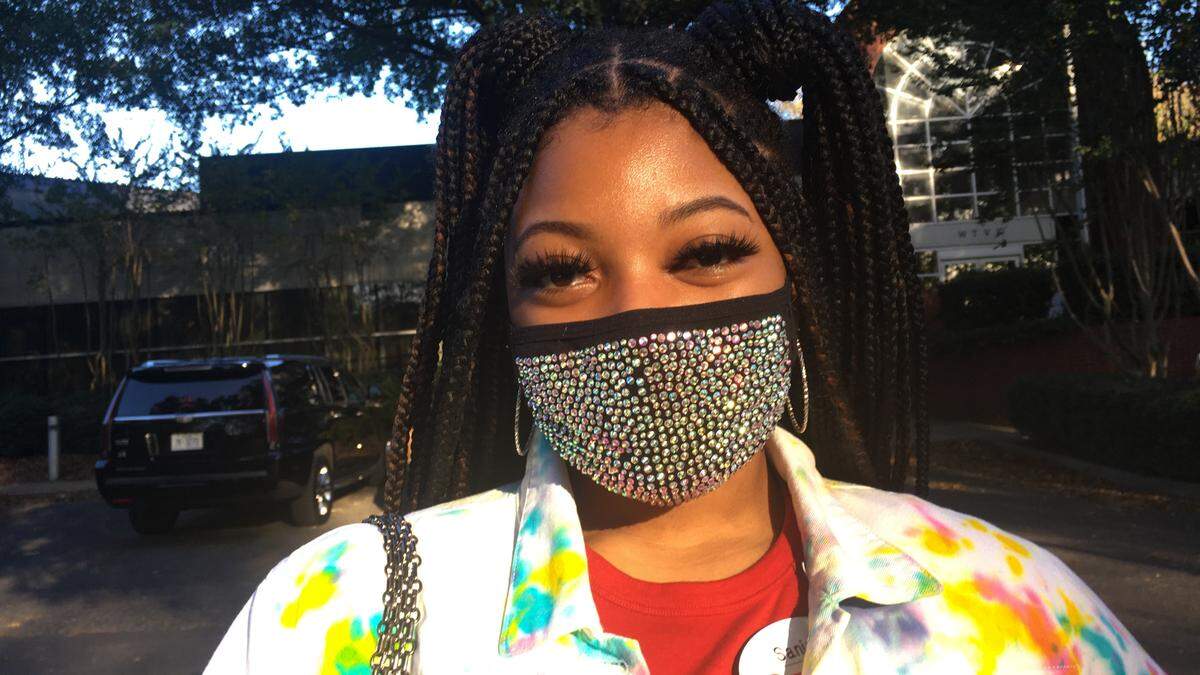
“Based on some things I’ve seen about him online, I’m hoping he’ll make change happen,” said Higdon, a student with Job Corps. She cited education, housing and roads as areas that need the next president’s urgent attention.
N.C. voters 18 to 29 years old supported Biden, 56% to 38%, according to the exit poll. But the exit poll estimated Trump won among N.C. seniors, those 65 and over, 58% to 41%.
Fight for the suburbs
A battleground within the battleground is North Carolina’s suburbs — including those surrounding Charlotte and Raleigh.
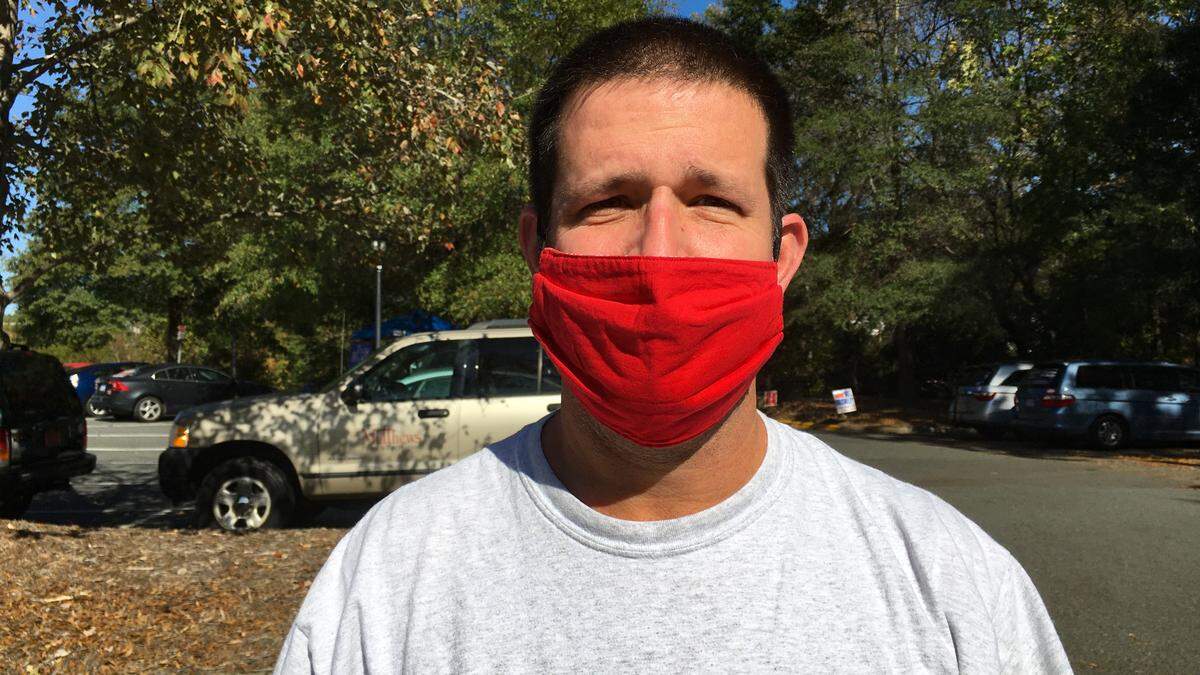
On Tuesday, Gabriel Baker, 44, of suburban Matthews in Mecklenburg County, said he voted for Trump because “I’ve been happy with the way the economy has been going the last few years.”
Baker, who works for an outdoor equipment company, also said he agrees with Trump’s emphasis on law and order in the wake of the looting and violence that erupted in some U.S. cities last summer. “I just believe there should be a stronger security presence across the country,” he said.
In 2016, Trump carried suburban and ex-urban counties like Union, Cabarrus and Johnston counties by sometimes large margins.
Chris Cooper, a political scientist at Western Carolina University, told Politico that even small changes in Trump’s 2016 performance in the suburbs could make a big difference.
“(M)oving a county from red to pink could be the difference between a Biden victory and a Trump victory in North Carolina,” Cooper said.
Biden was trying to become only the second Democrat in 44 years to carry North Carolina. Barack Obama won the state by 14,000 votes in 2008. He was the first Democrat since Jimmy Carter in 1976 to carry the state.
Jack Rorick, an unaffiliated Charlotte voter, said he usually votes a split ticket. This time he voted all Democratic.
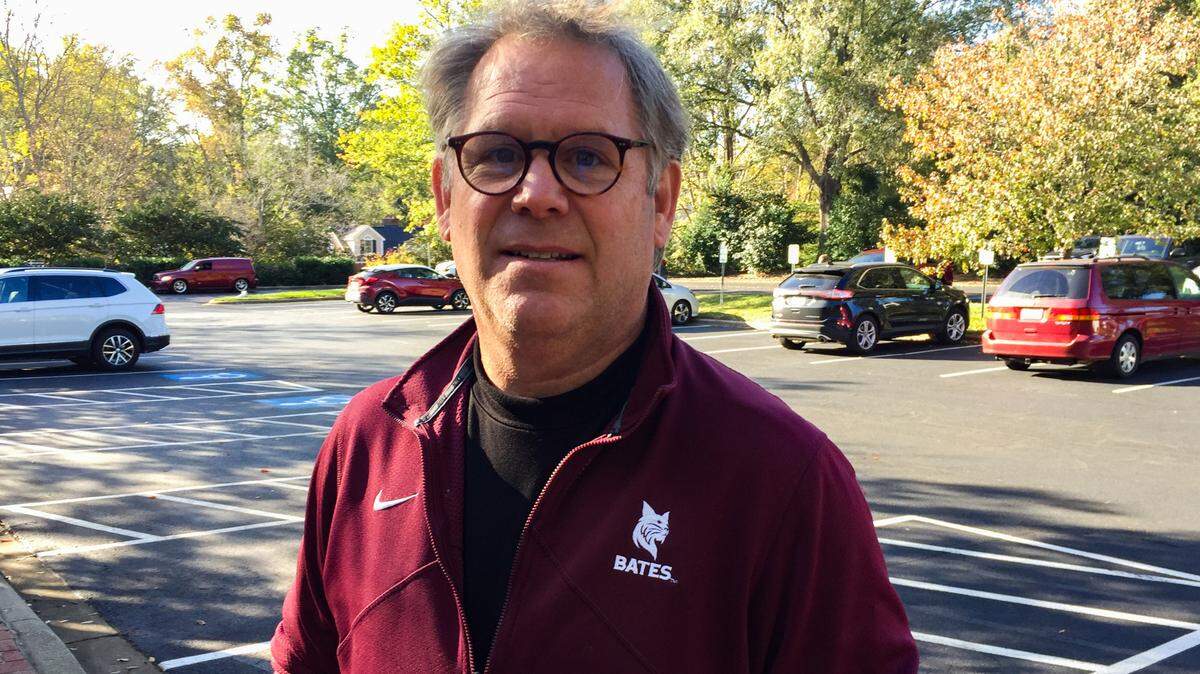
Why? Because of Trump, he said.
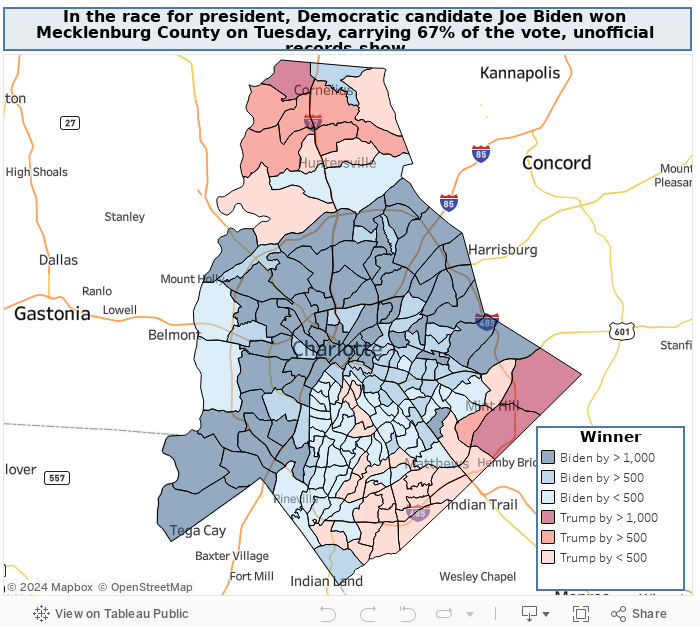
This story was originally published November 3, 2020 at 8:25 PM.