Ever wondered what poll workers do on Election Day? These are their responsibilities
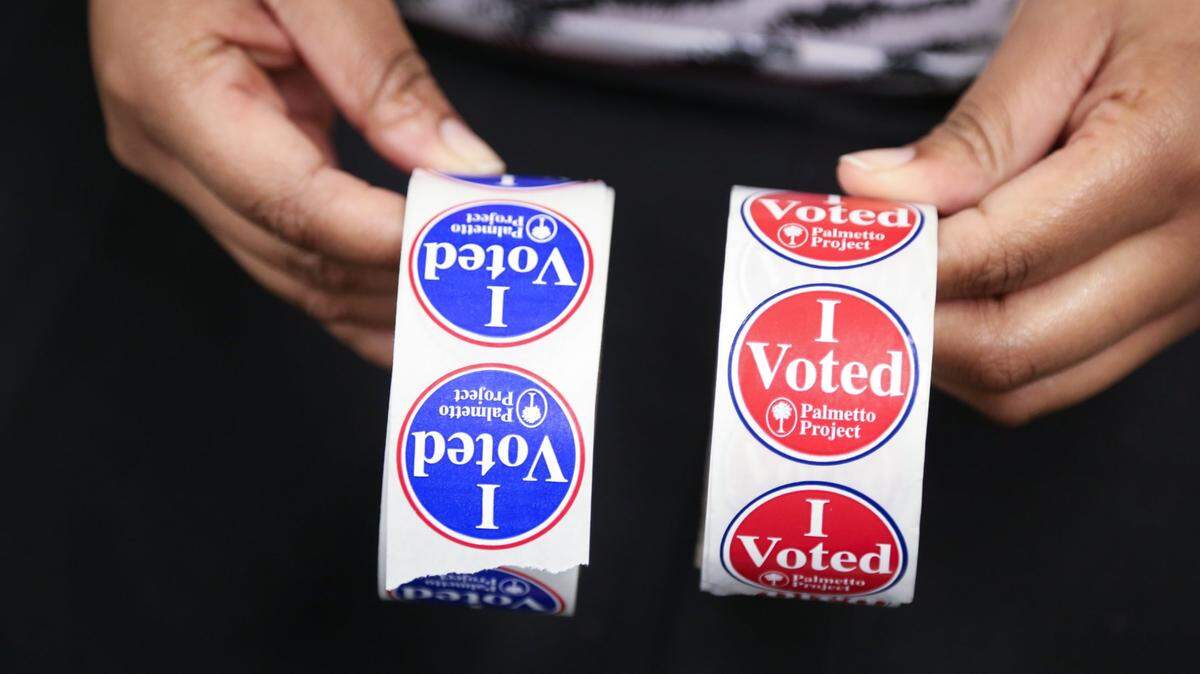
Election workers in North Carolina are an essential part of the voting process.
Generally, they are responsible for staffing polling locations, setting up voting stations and assisting voters, according to the N.C. State Board of Elections.
Before Election Day, workers are required to attend mandatory training sessions to ensure they are properly prepared to handle hundreds of voters looking to cast their ballots.
Here are the roles and responsibilities of election workers, who are eligible to become one, and how much they are compensated.
What is the role of an election worker?
Each precinct must be staffed with a chief judge, party judge, provisional assistant, equipment assistant and general assistant, according to the Mecklenburg County Board of Elections. Judges are appointed by the board of elections to serve two-year terms beginning in August of odd-numbered years.
Here is the role of each position:
Chief Judge: The head official in charge of contacting precinct staff to make arrangements for each election. They are also responsible for handling Election Day activities, delegating duties and delivering returns to the board of elections office.
Party Judge: Democrat and Republican judges are responsible for conducting elections in the Chief Judge’s absence, signing official documents and assisting with resolving any challenges.
Provisional Assistant: The official in charge of handling provisional and transfer votes. Typing and customer service skills are required for this position.
Equipment Assistant: Equipment assistants must be comfortable with touch screens and show proficiency in opening, operating and closing voting equipment.
Assistant: Assistants receive direction from the Chief Judge and must help with set up on the day before Election Day.
Election officials are not allowed to wear political clothing or discuss politics at the polls, according to the Mecklenburg County Board of Elections.
Who is eligible to become a poll worker?
According to the NCSBE, prospective election workers must:
Be a registered voter or a high school student who is at least 17 years old and in good academic standing
Live in the precinct they wish to serve
Not be a candidate or relative of a candidate who is running for office
Not be an elected government official or hold office with a political party
Are poll workers compensated?
Here’s how much election officials are paid on Election Day, according to the Mecklenburg County Board of Elections:
Chief Judge: $200
Party Judges: $150
Provisional and equipment assistants: $125
Full-day assistant: $100
Half-day assistant: $50
Election officials also receive $25 for mandatory training sessions and $15 for election set up before voting begins.
For early voting, pay ranges from $12-$18 per hour depending on the position, according to the Mecklenburg County Board of Elections.