Who is Alisia Bergsman, Huntersville Board of Commissioners candidate?
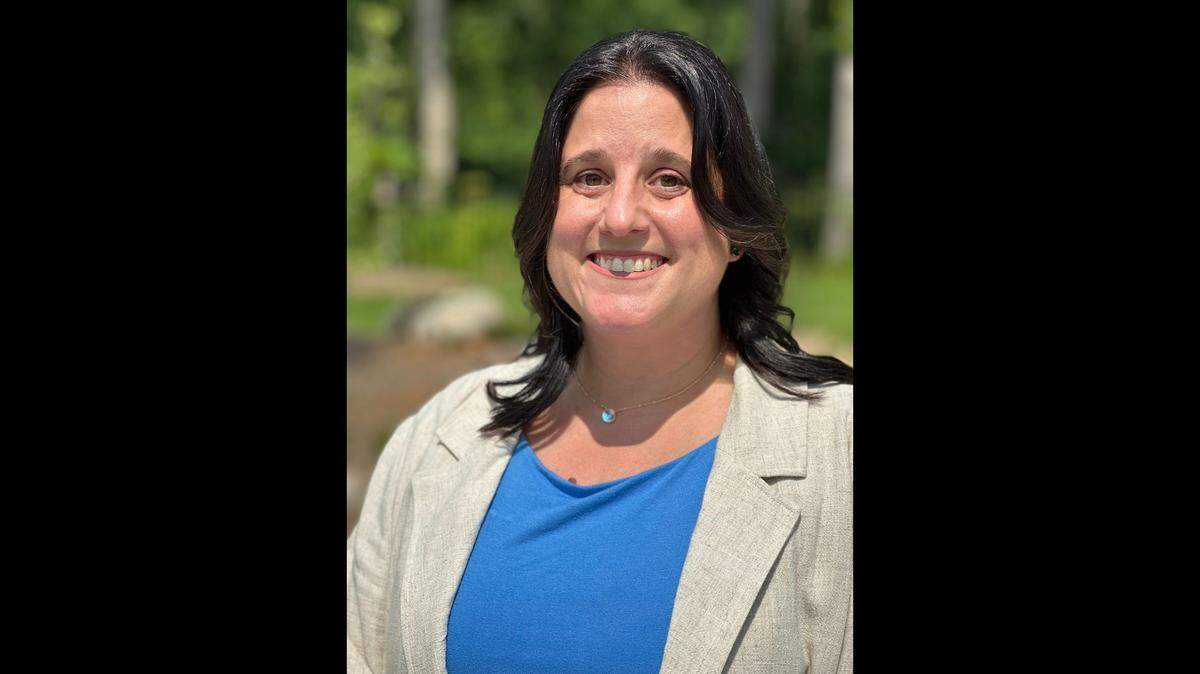
Name: Alisia Bergsman
Age: 44
Campaign website or social media page: electalisia.com
Occupation: Nonprofit consultant
Education:
Bachelor of Science in Psychology
Bachelor of Arts in Anthropology from the University of Pittsburgh
Masters in International Relations from the University of Queensland
Have you run for elected office before? (Please list previous offices sought):
No.
Please list your highlights of civic involvement.
2020 - present: Vice-Chair, Huntersville Parks and Recreation Advisory Commission
2022 - present: Vice President, North Meck High School’s Band Booster Club
2023 - present: Board Appointed Member, CMS Community Equity Committee
2022 - present: Precinct 207 Chair, Mecklenburg County Democratic Party
2019 - 2021: School Leadership Team, Piedmont Open IB Middle School
2015 - 2018: School Leadership Team, Grand Oak Elementary School
2018: League of Women Voters Civics 101 Graduate
2015: Huntersville 101 Graduate
What one professional or political accomplishment are you most proud of?
I take great pride in my work as a social justice and human rights advocate. During my time as the Director of the Refugee Claimants Support Centre in Brisbane, Australia, I received a noteworthy nomination from former Prime Minister Kevin Rudd for a prestigious national award. This nomination recognized my dedication and success in safeguarding and championing the human rights of community-based refugees and asylum seekers.
More recently, in response to the fall of Kabul in 2021, I was a community organizer with the C.A.L.M. Afghan Refugee Project. I coordinated a pop-up medical clinic in collaboration with local healthcare providers, aimed at addressing the urgent and overwhelming needs of Afghan refugee families as they arrived in Charlotte.
Beyond these accomplishments, I remain actively engaged in efforts to secure essential human rights protections for the LGBTQ+ community in North Carolina. I am deeply committed to advancing initiatives that contribute to a safer more equitable world for marginalized and underserved communities, and I am one of only two Huntersville Commissioner candidates to be endorsed by Equality NC this year.
Traffic is an issue in Huntersville while a few critical road projects, such as the widening of N.C. 73, have been delayed by NCDOT. How would you tackle the town’s traffic problem?
Huntersville has multiple pressing infrastructure needs to help manage the rapid population growth that has occurred over the last decade. With the right approach, Huntersville could make advances toward being a more vibrant, livable, and walkable community. Research shows that widening roads only provides a short-term solution for traffic congestion. I will tackle transportation and mobility problems through a multi-pronged approach that prioritizes: sidewalk and greenway connectivity between residential areas and commercial activity centers; managing growth in a sustainable manner; critical roadway improvements; advocating for additional public transit services, and exploring innovative alternative transportation options that will improve the quality of life for all who travel within Huntersville.
What are your ideas about how the town should recruit and retain more police officers specifically? And all town employees more broadly?
The Huntersville Police Chief recently stated that 70% of Huntersville law enforcement officers used to live within the same community they serve, that number is down to 30% presently. As housing prices have skyrocketed, our teachers, nurses, and first responders are no longer able to afford to live in the same community they serve and protect. To retain more police officers, I believe Huntersville can ensure we are providing all town employees a livable wage. As commissioner, I plan on working to establish a Crisis Intervention Team (CIT) program so that mental health professionals can respond alongside police officers when there are individuals experiencing a mental health crisis. Research has shown that CIT programs give police officers more tools to do their job safely and effectively, and keep their focus on public safety and crime prevention. In Memphis, the CIT program resulted in an 80% reduction in officer injuries during mental health crisis calls. I also believe Huntersville should explore collaborative workforce housing programs so the people who protect our neighborhoods can live in the community they serve.
Huntersville has experienced rapid population growth over the last few decades with the approval of hundreds of new homes. Do you think the town should control growth in some way or keep expanding? Why?
It’s important to maintain Huntersville’s small-town character and natural resources while managing population growth and development. Huntersville continues to be a desirable place to live, and by adhering to smart growth principles and regional collaboration, we can work to uphold high standards while meeting the needs of a growing town. One way this can be accomplished is by revitalizing existing neighborhoods and buildings. New developments should address existing needs or gaps in services, with planned connections to retail activity centers, greenways, community open spaces, and parks to help Huntersville become a more walkable, sustainable community.
Why should voters choose you over others who are in the race?
Huntersville is in need of fresh perspectives on the Board of Commissioners. With my extensive background in nonprofit management, I’ve fine-tuned the skill of achieving significant outcomes with limited resources. My track record in public service underscores my unwavering commitment to improving our community, and I am dedicated to fostering greater public engagement, transparency, equity, and inclusion in Huntersville.