James Mitchell, Charlotte City Council at-large candidate, answers our questions
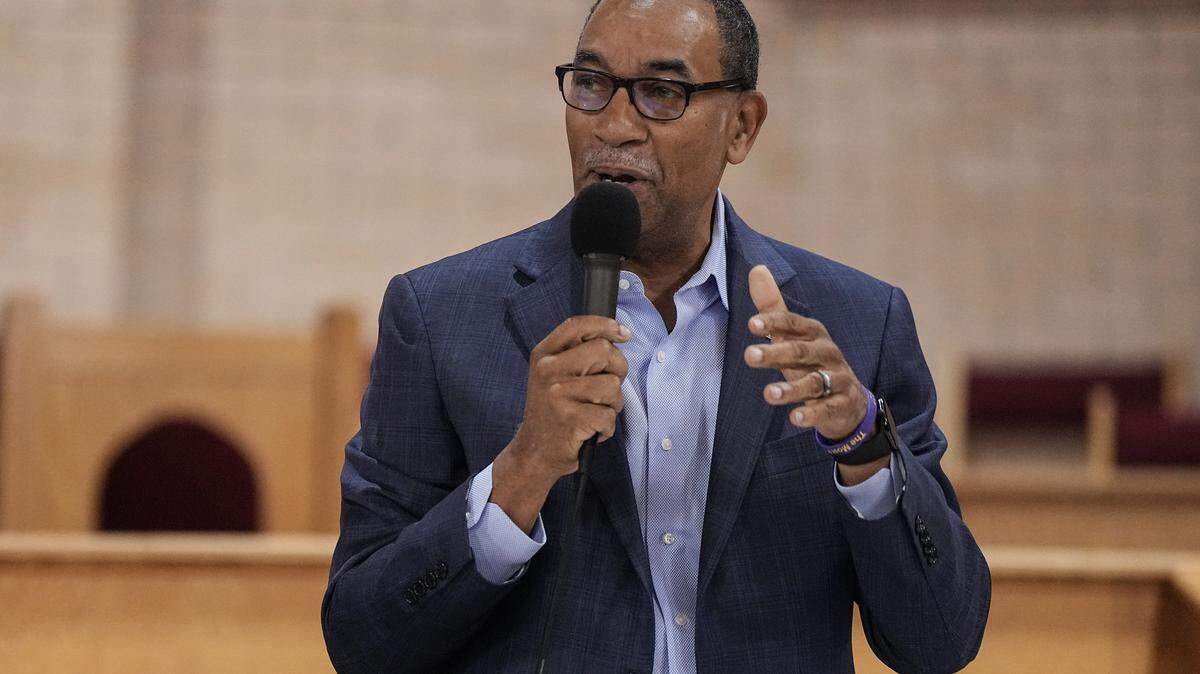
To help inform voters in the Nov. 4, 2025, election, this candidate questionnaire is available to be republished by local publications in North Carolina without any cost. Please consider subscribing to The Charlotte Observer to help make this coverage possible.
Name: James E Mitchell, Jr.
Email: jamesworks4clt@gmail.com
Political party: Democrat
Which position are you running for on the Charlotte City Council? Charlotte City Council At-Large
Age: 63
Campaign website or social media page: www.jamesworksforclt.com
Occupation: Director of Business Development at McFarland Construction.
Education: Graduated North Carolina Central University
Have you run for and/or held elected office before? (Please list previous offices sought and/or held)
City Council D2 and At-Large
Please list your highlights of civic involvement
- Board of Trustee North Carolina Central University
- Focus on Leadership Graduate
- Leadership Charlotte Graduate
- Harvard - John F. Kennedy School of Government
- North Carolina Institute of Political Leadership Graduate
- Founder of Next Level Leadership program
- Served as president of the National League of Cities
- Developed the Charlotte Business Inclusion Advisory Committee (CBIAC) for women and minority owned businesses
What are the most important issues facing Charlotte, and how would you address them?
1. Affordable housing: Two years ago, I was proud to be the first Councilmember to lead the charge in doubling our housing trust fund, from $50 million to $100 million. I’m grateful the voters backed that vision, passing the housing bond with an overwhelming 76% approval rating. In the years ahead, I’ll continue pushing for smart investments that expand access to safe, affordable housing, including increased funding, public-private partnerships, and policies that protect residents from displacement.
2. Economic and workforce development: On the economic development front, I’ve led efforts to provide gap funding for key projects within our Corridors of Opportunity.
Three projects I’m especially proud of include: • The restoration of the historic Excelsior Club along the Beatties Ford Road Corridor • My 3 Sisters Market on the West Boulevard Corridor • A new cooperative grocery store in the West Trade Street/Rozzelles Ferry Corridor.
In terms of workforce development, I spearheaded the creation of a new city policy requiring workforce development goals on major city-funded construction projects. An example is the $110 million renovation of the Charlotte Convention Center, where general contractors provided employment opportunities for 28 individuals who were formerly incarcerated and/or faced other barriers to employment.
3. Small and minority business development: During my time on Charlotte City Council, I have been a consistent advocate for equitable access to economic opportunity. I proudly supported the LGBTQ+ business community by ensuring representation on both the Business Advisory Council and the Charlotte Business Inclusion Advisory Committee (CBIAC). I also proposed the implementation of the Quick Pay program, which ensures that minority-owned companies working on city contracts are paid within 30 days, which is a huge improvement from the previous 45- to 90-day payment window. Timely payments help small businesses maintain healthy cash flow and stay competitive. Additionally, I advocated for increased access to capital, which led to five Community Development Financial Institutions (CDFIs) committing to offer microloans of up to $50,000 for small and minority-owned businesses, removing barriers and creating pathways for long-term success.
The city of Charlotte provided CMPD Chief Johnny Jennings with more than $305,000 in a deal reached during a private meeting – details of which were not available until news outlets started reporting on the issue. Did the city handle this correctly based on what the public knows about the situation? Why or why not?
Yes, based on the legal framework in place, the city handled this matter appropriately. Personnel issues are required to be discussed in closed sessions, as outlined in the General Statutes.
How will you earn public trust in the wake of public controversies that roiled City Council this spring?
I will continue to be transparent and accountable by allowing constituents access through individual contact and townhall meetings. I understand that recent events may have shaken public confidence, and I take that seriously. Earning trust isn’t about one speech or one vote, it’s about consistently showing up, doing the work with integrity, and putting the people of Charlotte first.
How will you work to improve transparency within city government?
Transparency starts with communication, accountability, and access. As a public servant, I believe residents deserve to know how decisions are made. I’ll continue to advocate for clear, consistent communication from the city. I also support opportunities for public input early in the decision-making process. And I’ll keep working to ensure that our boards, commissions, and processes are inclusive, so that more voices are heard. Ultimately, transparency is about building trust, and trust is built over time through action. That’s what I’ve done throughout my service, and it’s what I’ll keep doing.
The General Assembly has given Mecklenburg County permission to put a referendum on the ballot to raise the county’s sales tax to fund road, rail and bus projects. Will you vote in favor of the referendum? Why or why not?
I am in favor of the referendum because having a strong, reliable transit system is essential, especially for residents who face transportation challenges every day. With Governor Stein signing the bill, it’s now up to the County Commissioners to put the referendum on the ballot. I’ve supported it and will continue encouraging the voters to do the same. But passing a tax isn’t enough. We need to ensure the plan prioritizes what people really need, like more frequent buses, expanded routes, and better service in underserved communities. This is about access, opportunity, and equity. A viable transportation system is one of the key elements of upward economic mobility for our citizens. And a well-executed transit plan will connect people to jobs, ease congestion, and help build a stronger, more inclusive Charlotte.
Is there an area where you disagree with your party on local or state issues? Why?
One area where I’ve taken a strong stance is in defending support for minority- and women-owned businesses. For example, the General Assembly has proposed eliminating the state’s HUB (Historically Underutilized Businesses) office. As a strong advocate of women- and minority-owned businesses, I will fight to ensure our local policies provide them real opportunities for to compete for and win city contracts.
What separates you from your opponent(s)?
What sets me apart is experience, relationships, and results. I’ve had the honor of serving the City of Charlotte and lead major investments in affordable housing, economic development, and infrastructure that have strengthened our communities and created opportunities for residents. My track record reflects a deep understanding of how city government works and how to get things done.
What one professional or political accomplishment are you most proud of?
It’s difficult to pick just one. However, I’m especially proud of leading the implementation of the Charlotte Business Inclusion (CBI) program, an initiative that set measurable goals for minority- and women-owned business participation in city contracts. This program created more equitable opportunities for underrepresented entrepreneurs and helped level the playing field in how the city does business.
This story was originally published August 11, 2025 at 7:00 AM.