North Mecklenburg’s District 1 commission candidates talk about rising costs

To help inform voters in the March 3, 2026, election, this candidate questionnaire is available to be republished by local publications in North Carolina without any cost. Please consider subscribing to The Charlotte Observer to help make this coverage possible.
This story focuses on the Democratic primary for Mecklenburg County Commission District 1, which features Jessica Finkel, Morris “Mac” McAdoo and Adam Pasiak. Incumbent Democrat Elaine Powell is not running for reelection.
The Charlotte Observer asked all candidates in this race to complete a questionnaire to inform voters about their opinions on big issues facing voters.
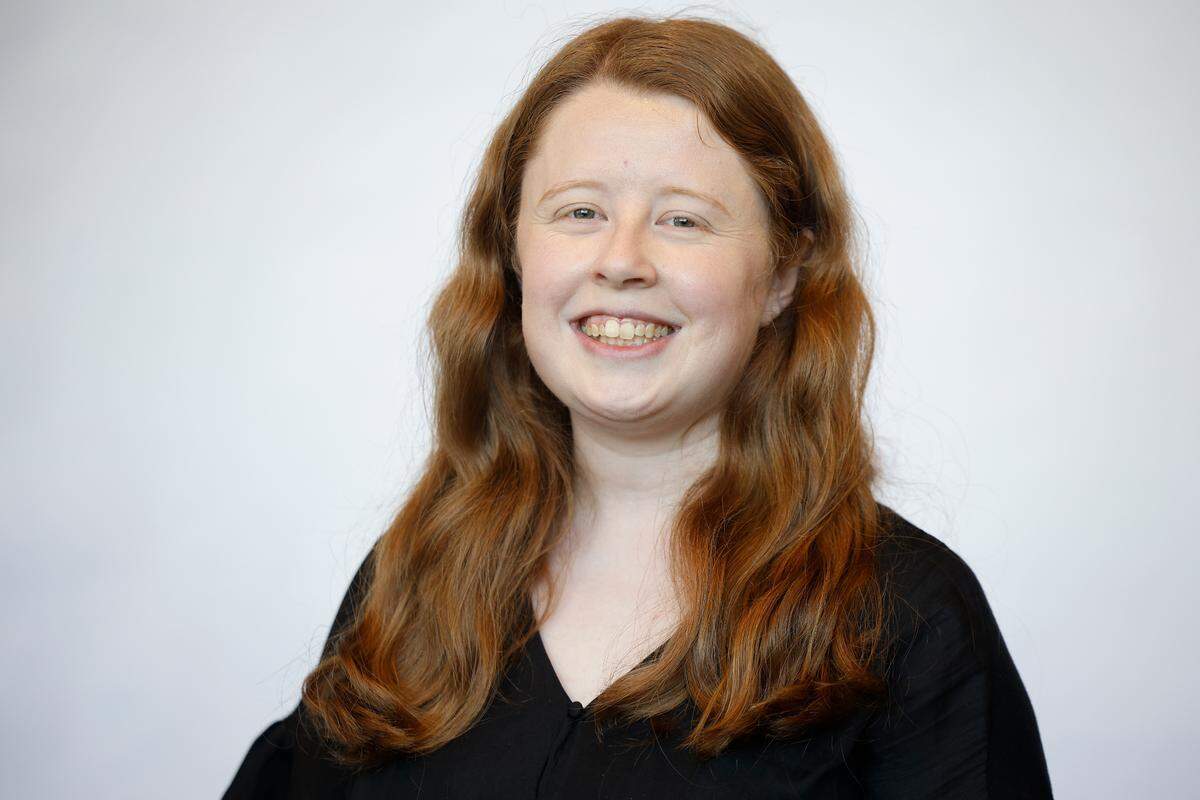
Jessica Finkel
Political party
Democratic
District number or at-large
District 1
Age as of March 3, 2026
28
Campaign website
Current occupation
Production strategist
Professional experience
I am a communications strategist and community organizer with a career focused on public engagement, coalition building and advocacy. I have worked and volunteered with labor, environmental and social justice organizations to translate community needs into effective communications and grassroots campaigns. My professional background includes strategic communications, grassroots organizing and building partnerships across diverse stakeholders to achieve concrete results for working families.
Education
Bachelor’s in Public Relations and Bachelor’s in Sustainability Studies from the University of Florida
Please list any notable government or civic involvement.
1) Secretary, Charlotte-Mecklenburg Branch of the NAACP 2) Co-coordinator with Sunrise Charlotte 3) Communications director and interim coalition director with Thrive North Carolina
What is the most important issue facing Mecklenburg County, and what do you want to do about it?
Too many hard-working families that have lived in their communities for decades are being priced out. The affordability crisis characterized by rising rents, stagnant wages and a shortage of affordable housing is driving instability, homelessness and longer commutes.
As county commissioner, I will focus on investing in home repair, supporting eviction prevention and rental assistance, and partnering with municipalities to build affordable housing and increase targeted housing support.
County commissioners are responsible for setting Mecklenburg’s property tax rate. How would you approach balancing the county’s fiscal needs with affordability for residents when setting the rate?
My approach would be start with a clear assessment of actual community needs and priorities by listening to community members and organizations on the ground. Then, I would look for efficiencies, savings and more responsible uses of existing resources. Finally, I would prioritize investments that prevent higher costs down the road — like housing stability, environmental upgrades, mental health services and early childhood education.
Mecklenburg County provides a significant amount of Charlotte-Mecklenburg Schools’ funding, as voted on annually by county commissioners. How would you approach school funding decisions?
Strong schools are the backbone of a strong Mecklenburg County. As a commissioner, I would support fully funding higher teacher pay, mental health investments, early literacy programs, creation and promotion of third spaces for students and wraparound services that help close opportunity gaps. I will also push for transparent, data-driven conversations between the Board of Commissioners, the School Board, educators, parents and students so funding decisions reflect real classroom needs.
What can commissioners do to improve relationships between Mecklenburg County and the municipalities within it to facilitate intergovernmental cooperation?
Mecklenburg County’s success depends on strong partnerships within our communities. Too often, local governments operate in silos even though our residents move seamlessly across city and town lines every day. To prevent repeat work and better address issues facing our residents, I would prioritize regular joint planning sessions between local leaders, collaborative strategies on housing, transportation, and economic development, and coordinated budgeting where priorities overlap.
Do you disagree with your political party on any issues? If so, on what and why?
I am a proud Democrat because I believe in equity, opportunity and justice. I also believe good ideas can come from anywhere, and I am committed to working with anyone if it means real results for our communities. At times, I have disagreed with members of my party when actions haven’t been bold enough on issues like housing, the environment and education. However, I believe together we can address these issues at their roots and create a safer and healthier future for everyone.
Morris “Mac” McAdoo
Political party
Democratic
District number or at-large
District 1
Age as of March 3, 2026
47
Campaign website
Current occupation
Attorney
Professional experience
For the past 20 years I have practiced law involving civil rights and civil litigation including matters before state and federal court to secure medical and mental health services denied by the state of North Carolina.
Education
Bachelors of Business Administration ‘00 from North Carolina Central University and Juris Doctorate ‘05 from Delaware Law School
Please list any notable government or civic involvement.
Founding chair, Prodigal Son Foundation (educational resources for students in North Charlotte); Past chairman, John S. Leary Bar Association of Black Attorneys; Past board member, Mecklenburg County Bar Association; Past vice chair, Local Advisory Council, Legal Aid of North Carolina; Past board member, Privatization/Competition Advisory Committee, City of Charlotte; Past 2nd vice chairman, Black Political Caucus; and Past board member, North Carolina Association of Black Attorneys.
What is the most important issue facing Mecklenburg County, and what do you want to do about it?
The most important issue facing Mecklenburg County is affordability, which impacts housing stability, family finances and access to care. Rising costs are putting pressure on working families and seniors, while also contributing to growing mental health needs. I want to expand affordable and workforce housing, manage growth responsibly and strengthen access to community-based mental health services so residents can stay housed, healthy and supported.
County commissioners are responsible for setting Mecklenburg’s property tax rate. How would you approach balancing the county’s fiscal needs with affordability for residents when setting the rate?
County commissioners must fund essential services without worsening affordability. I would approach the property tax rate with discipline and transparency, avoiding increases whenever possible. That means reviewing spending, eliminating inefficiencies and relying on growth and other funding sources before raising taxes. Any increase should be a last resort and carefully justified to protect residents already facing rising costs.
Mecklenburg County provides a significant amount of Charlotte-Mecklenburg Schools’ funding, as voted on annually by county commissioners. How would you approach school funding decisions?
I would approach school funding as a partnership with Charlotte-Mecklenburg Schools, with a strong commitment to Mecklenburg County students, teachers and staff. That means working collaboratively with CMS leadership to understand needs, prioritize resources that directly support learning and staff, and ensure funding decisions are responsible, transparent and focused on student success.
What can commissioners do to improve relationships between Mecklenburg County and the municipalities within it to facilitate intergovernmental cooperation?
Commissioners can improve relationships with municipalities by treating them as true partners through consistent communication and collaboration. That includes regular coordination with municipal leaders and meaningful engagement with county and municipal staff who support elected officials. Early collaboration on shared issues like growth, housing and transportation helps align priorities, improve efficiency and deliver better outcomes for residents.
Do you disagree with your political party on any issues? If so, on what and why?
Yes. While I share the core values of my party, I have at times disagreed with how some members of my party in office have approached Sunshine Laws and transparency. This is not necessarily a disagreement with the party itself, but with certain practices that limit openness. I believe strong transparency laws are essential to public trust and accountability, and open government should be viewed as a strength, not a barrier to effective leadership.
Adam Pasiak
Political party
Democratic
District number or at-large
District 1
Age as of March 3, 2026
40
Campaign website
Current occupation
Strategic sourcing manager at Honeywell
Professional experience
18 years
Education
Bachelor’s from the University at Buffalo
Please list any notable government or civic involvement.
1. Former co-chairman of the Citizen Transit Advisory Group with a seat on the Metropolitan Transit Commission 2. Former council member - North Regional Advisory Council for Parks & Recreation 3. Former vice-chair, chair of the Democrats of North Mecklenburg. 4. Member and volunteer of the Prosperity Village Area Association
What is the most important issue facing Mecklenburg County, and what do you want to do about it?
Growth is the defining challenge for Mecklenburg County. Intelligent and inclusive growth is our most critical priority; we must center the needs of people over square footage. By promoting pockets of density near transit hubs and diversifying housing types, we can ensure the county remains affordable for the workforce that sustains us while preventing the displacement of long-time residents. This intentional approach will allow us to also keep preservation of our green spaces in mind as well.
County commissioners are responsible for setting Mecklenburg’s property tax rate. How would you approach balancing the county’s fiscal needs with affordability for residents when setting the rate?
It’s a balance, and to achieve this balance, we must prioritize efficiency in spending and actively promote property tax relief programs for those most at risk of displacement. By viewing the tax rate through a lens of equity and affordability, we can ensure that Mecklenburg County remains a place where growth funds our future without pricing out the people who built our past. Balancing the rate isn’t just a fiscal necessity; it is a commitment to keeping our community whole.
Mecklenburg County provides a significant amount of Charlotte-Mecklenburg Schools’ funding, as voted on annually by county commissioners. How would you approach school funding decisions?
I view school funding not as an expense to be managed, but as a strategic investment in our region’s stability. Our public education system is the primary engine of social and economic mobility in Mecklenburg County. While the state is responsible for base salaries, the county holds the critical “lever” of local supplements that determine whether our educators can actually afford to live in the communities they serve.
What can commissioners do to improve relationships between Mecklenburg County and the municipalities within it to facilitate intergovernmental cooperation?
In a rapidly growing region like Mecklenburg County, the most pressing challenges — from transportation and housing to public safety — do not stop at municipal or county borders. Effective intergovernmental cooperation is not just a political ideal; it is a functional necessity for efficient governance. When the county, our seven municipalities and the state legislature work in silos, the result is often redundant spending, conflicting policies and “dead zones” in essential services.
Do you disagree with your political party on any issues? If so, on what and why?
I believe that political discourse should begin with a search for common ground rather than a declaration of conflict. Whether speaking with members of my own party or those across the aisle, I generally find that I do not fundamentally disagree with the “why” behind their motivations. At our core, most of us share the same essential goals: we want safe neighborhoods, high-quality schools for our children, a thriving local economy and a community where everyone has a fair shot at success.