In Mecklenburg’s District 2, Vilma Leake, Monifa Drayton differ on biggest issue
To help inform voters in the March 3, 2026, election, this candidate questionnaire is available to be republished by local publications in North Carolina without any cost. Please consider subscribing to The Charlotte Observer to help make this coverage possible.
This story focuses on the Democratic primary for Mecklenburg County Commission District 2, which primarily covers west Charlotte. It features incumbent Vilma Leake and challenger Monifa Drayton. The Charlotte Observer asked all candidates in this race to complete a questionnaire to inform voters about their opinions on big issues facing voters.
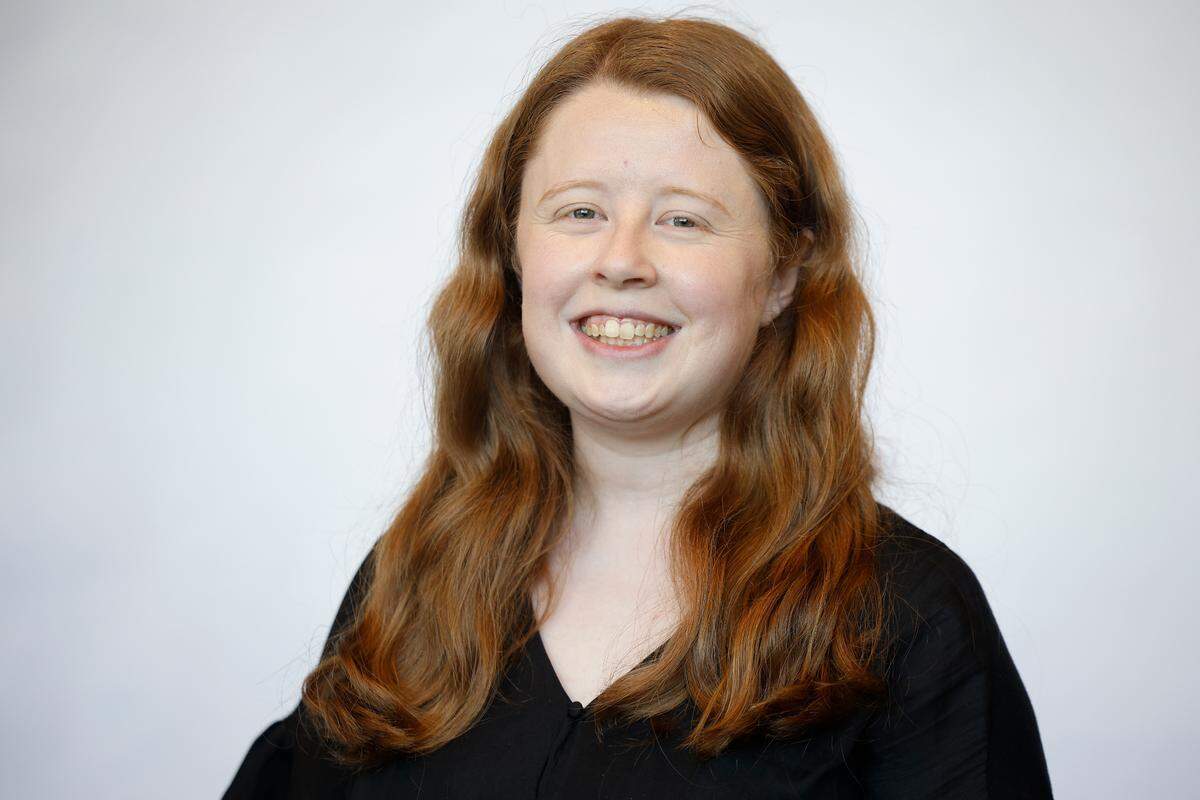
Monifa Drayton
Political party
Democratic
District number or at-large
District 2
Age as of March 3, 2026
48
Campaign website
MoDraytonforCountyCommission.com
Current occupation
Strategic consultant
Professional experience
I am a former leader with Atrium Health for over two decades. Following my time within the health care industry, I started my own consulting firm focusing on political, community and business strategy.
Education
Master’s degree in Public Administration and Bachelor’s degree in Psychology
Please list any notable government or civic involvement.
Chairwoman of the Mecklenburg Alcoholic Beverage Control Board, Graduate and current program coordinator for the James E. Clyburn Leadership Institute, Social Action chair for the Charlotte Alumnae Chapter of Delta Sigma Theta Sorority Incorporated
What is the most important issue facing Mecklenburg County, and what do you want to do about it?
The most important issue facing Mecklenburg County is affordability. Rising housing, health care, child care, taxes and transportation costs are pushing families out of stability and increasing strain on county services. As a county commissioner, I will prioritize preventive investments — affordable housing, accessible health care and mental health services, and reliable transit — that reduce long-term costs and help residents stay housed, healthy and economically secure.
County commissioners are responsible for setting Mecklenburg’s property tax rate. How would you approach balancing the county’s fiscal needs with affordability for residents when setting the rate?
Balancing Mecklenburg County’s property tax rate requires discipline, transparency and data-driven decision-making. I would closely review the budget to ensure tax dollars are spent efficiently and tied to clear metrics and outcomes. Before raising taxes, we should prioritize preventive investments — like affordable housing, health care and infrastructure — that reduce long-term costs while protecting affordability for seniors and working families.
Mecklenburg County provides a significant amount of Charlotte-Mecklenburg Schools’ funding, as voted on annually by county commissioners. How would you approach school funding decisions?
As a county commissioner, I would approach school funding as a long-term investment in our community’s future. That means providing stable, predictable funding so CMS can plan responsibly, while closely examining how dollars support teachers, reduce class sizes, address student mental health and maintain safe facilities. Funding decisions should be guided by student needs, enrollment trends and transparency to ensure equity and strong outcomes across all schools.
What can commissioners do to improve relationships between Mecklenburg County and the municipalities within it to facilitate intergovernmental cooperation?
Having served as a campaign strategist for several currently elected officials, I have built strong intergovernmental relationships and understand that collaboration is critical — everyone has a piece of the puzzle. Commissioners should engage municipal leaders early, align investments with local priorities and foster ongoing dialogue to deliver better outcomes countywide.
Do you disagree with your political party on any issues? If so, on what and why?
Yes. I differ with my party on how we engage communities with low voter turnout. Too often, outreach is transactional and election-focused. I believe engagement must be year-round, relational and rooted in listening. Communities disengage when messaging feels generic or dismissive of lived experience. Building trust requires meeting people where they are, using culturally relevant messengers and showing consistent follow-through — not just asking for votes.
Vilma Leake
Political party
Democratic
District number or at-large
District 2
Age as of March 3, 2026
Withheld
Campaign website
Current occupation
Elected Mecklenburg County commissioner, representing the citizens of District 2, which is located in southwestern Mecklenburg County
Professional experience
Retired educator, Mecklenburg Board of County Commissioners since 2008, Charlotte-Mecklenburg Board of Education (elected in 1997 and served for 11 years), Former president of NC Association of Educators (16 years)
Education
Bachelor of Arts degree in Education | Livingstone College, Master’s degree | University at Buffalo, Principalship certification | UNC Chapel Hill, Doctoral studies | University of San Francisco
Please list any notable government or civic involvement.
Active member of Little Rock A.M.E. Zion Church, Delta Sigma Theta Sorority, Inc., The Eastern Star, NAACP, Executive board member of the NC Democratic Party, Chair of Precinct 138 in Mecklenburg County, Co-founder of the Black Political Caucus of Mecklenburg County, The National Council for Negro Women, Jack and Jill of America
What is the most important issue facing Mecklenburg County, and what do you want to do about it?
The primary challenge facing Mecklenburg County is growth. Our infrastructure has failed to meet the demands of rapid expansion, as evidenced by the 12-year neglect of Eastland, which resulted in job losses and decreased tax revenue. We must prioritize our infrastructure to ensure it can support this growth and provide essential services to our citizens.
County commissioners are responsible for setting Mecklenburg’s property tax rate. How would you approach balancing the county’s fiscal needs with affordability for residents when setting the rate?
First, I would ensure evaluators provide accurate, transparent data to the board before rate recommendations are made. Second, I am committed to protecting senior citizens by ensuring they have access to relief under the Homestead Act. Third, I will advocate for the state to readdress and expand Homestead Act provisions for those in need. As commissioners, we must do our part to study the data to ensure the property tax rate remains fair across the county.
Mecklenburg County provides a significant amount of Charlotte-Mecklenburg Schools’ funding, as voted on annually by county commissioners. How would you approach school funding decisions?
We must hold elected officials in Raleigh accountable, especially regarding education and fair pay for our teachers. I’ve been pleading with the state to do the right thing; for the right people, at the right time and that educate us. Especially as Teach for America administrative roles currently earn 12.5% more than the average classroom teacher.* If a person can’t read and write, they can’t effectively become contributing citizens in our society. The state has neglected its responsibility.
*Editor’s note: In a statement to the Observer, Teach for America disputed Leake’s answer about teacher pay, saying the organization “does not directly employ teachers or administrators” or set TFA teachers’ salaries.
What can commissioners do to improve relationships between Mecklenburg County and the municipalities within it to facilitate intergovernmental cooperation?
I believe that cooperation depends on the specific needs of the people and the commitment of elected officials to prioritize the interests of the people. First and foremost, we must respect one another. We should all be working toward the same goal: a better Mecklenburg County and a better city of Charlotte. We can and must achieve this together.
Do you disagree with your political party on any issues? If so, on what and why?
I’m disappointed by their silence. Whether we have one Democrat or twenty in Raleigh, I believe the party must stand up for the needs of the people. Our representatives need to speak out more forcefully to ensure that the people’s needs are heard and acted upon. Since being elected, I have not failed the people of District 2. I’ve remained present to represent the people’s needs by never missing a board meeting. I value the trust the voters have placed in me. May the work I’ve done speak for me.
This story was originally published February 14, 2026 at 5:00 AM.